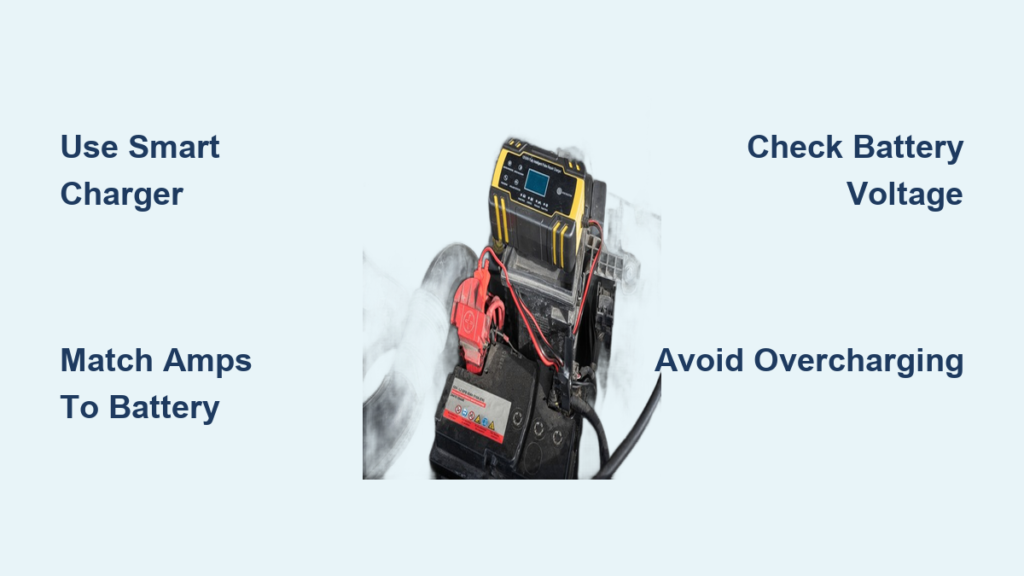
You’ve turned the key and nothing happens. Just silence. A dead car battery is one of the most common automotive frustrations, but the fix starts with a simple question: how long to charge a car battery with a charger? The answer isn’t one-size-fits-all. Depending on your battery size, how drained it is, and the type of charger you use, charging can take anywhere from 2 hours to over 48 hours.
This guide breaks down every factor that affects charging time, so you can make informed decisions and get back on the road safely. Whether you’re reviving a dead battery or maintaining one in storage, you’ll learn exactly how long to charge your car battery and which charger to use.
Match Charger Amps to Charging Needs

The amperage of your charger is the biggest factor in how fast your battery charges. Higher amps mean faster charging, but also higher risks if used improperly.
Choose the Right Charger Output
Trickle chargers at 1 to 2 amps work best for maintenance and slow revival. They take 24 to 48 hours to fully charge a standard battery, but they’re safe for unattended use during storage. Standard smart chargers at 4 to 6 amps are ideal for routine charging. A 48Ah battery charges in 8 to 12 hours with these units, balancing speed and safety effectively.
Fast chargers at 10 amps can charge a depleted battery in 4 to 8 hours, but you should only use them if you can monitor the process. The risk of overcharging increases significantly at this level. Booster or shop chargers at 20 amps or more deliver a full charge in 2 to 3 hours, but these should be reserved for emergencies only. High amperage can cause thermal damage, especially on AGM or older batteries.
Never leave a 10 amp or higher unregulated charger unattended overnight. These units can boil the electrolyte and permanently ruin your battery.
Start Low Then Increase if Needed
If your battery is completely dead, begin with a 2 to 6 amp charge to safely restore surface voltage. After a few hours, you can switch to higher amperage if time is critical, but only with a smart charger that prevents overvoltage. Smart chargers automatically adjust output, starting slow, ramping up during bulk charging, then tapering off. This maximizes safety and extends battery life.
Calculate Charging Time by Battery Size
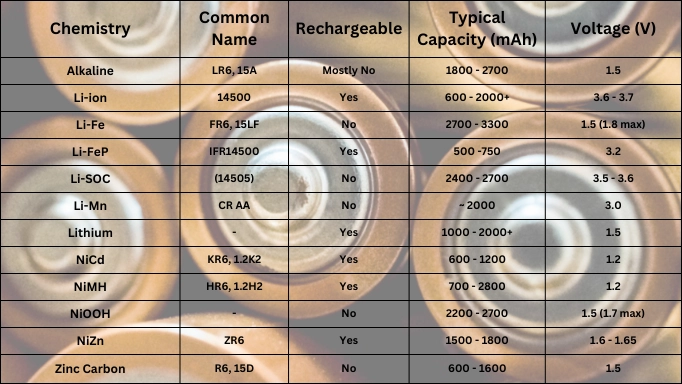
Battery capacity, measured in amp-hours, directly affects how long charging takes. Larger engines require bigger batteries, which naturally take longer to fill.
Standard Battery Capacities
Regular sedans and hatchbacks typically use 48 to 70 amp-hour batteries. Trucks, SUVs, and performance cars commonly have 70 to 95 amp-hour units. Luxury German vehicles like BMW and Mercedes often come with 95 to 100 amp-hour batteries, usually AGM type. Motorcycle batteries are much smaller at around 10 amp-hours, while lawn tractors use 20 to 35 amp-hour batteries.
Charging Time Examples
A 48 amp-hour battery with a 2 amp charger takes 24 hours. The same battery charges in 8 hours with a 6 amp charger and about 5 hours with a 10 amp charger. A 60 amp-hour battery at 10 amps needs 6 hours, while a 70 amp-hour battery at 10 amps requires 7 hours. A 100 amp-hour battery with a 6 amp charger takes approximately 16 hours.
These are theoretical minimums. Real-world charging takes longer because charge acceptance slows as the battery nears full capacity.
Adjust for Battery State of Charge
A partially discharged battery charges much faster than one that is completely dead.
Charging Time by Initial Charge Level
A fully dead battery shows no lights and no crank. It requires 6 to 24 hours or more depending on charger and battery size. A partially drained battery at 25 to 50 percent shows slow crank or multiple start attempts. It needs 2 to 8 hours. A low but functional battery at 50 to 75 percent starts with effort and may only need 1 to 4 hours.
A deeply discharged battery may show zero amp draw at first. Don’t panic. After 1 to 3 hours, charge acceptance increases as surface voltage builds.
Quick Estimate Formula
Use this formula to estimate charging time: multiply battery amp-hours by 0.8, then divide by charger amps. The 0.8 factor accounts for the fact that even a dead battery usually retains 20 percent charge, and charging efficiency isn’t 100 percent. For example, a 60 amp-hour battery on a 6 amp charger takes 60 times 0.8 divided by 6, which equals 8 hours.
Factor in Battery Type and Health
Not all batteries charge the same. Age, chemistry, and condition dramatically affect how well a battery accepts and holds charge.
Common Battery Types and Charging Rules
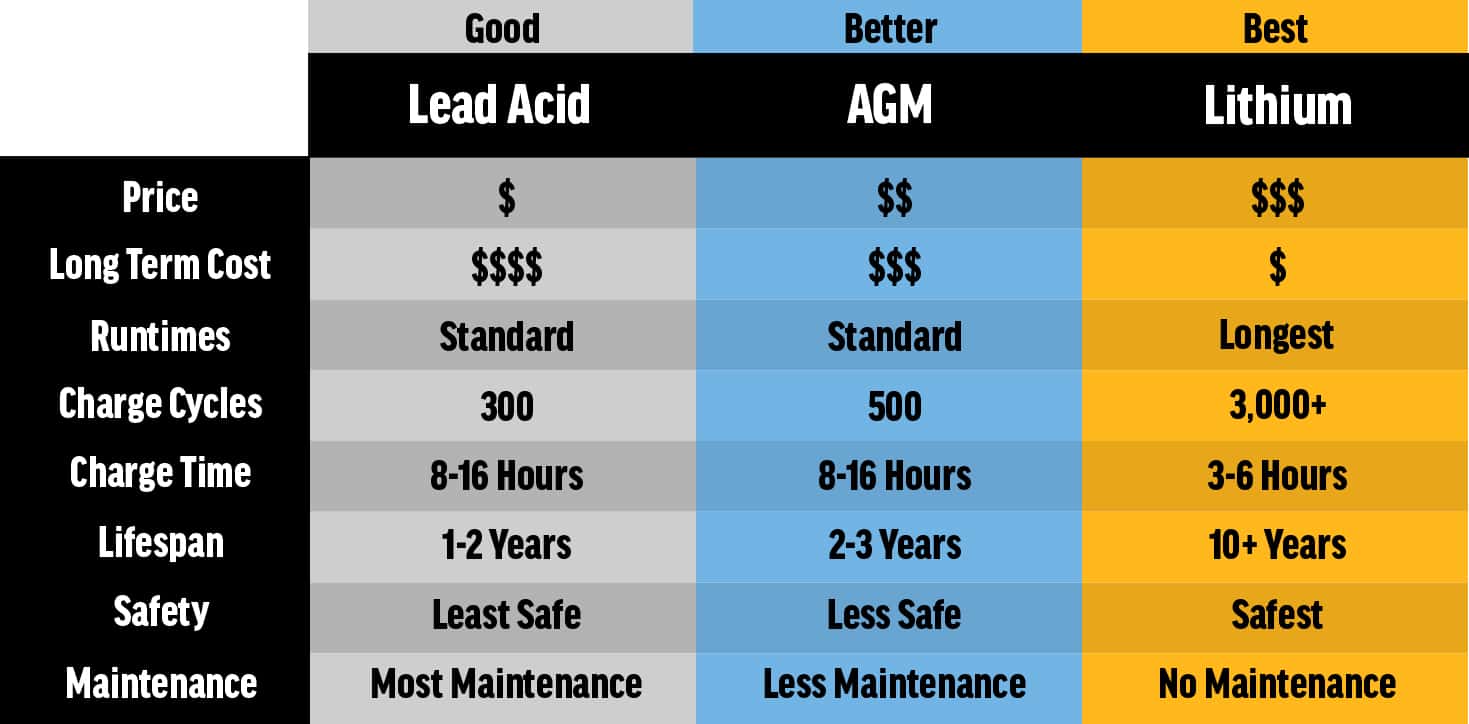
Flooded lead-acid batteries are standard for older vehicles and can be charged at 2 to 10 amps, though you should check water levels. EFB batteries used in start-stop vehicles require controlled charging at 2 to 6 amps. Avoid fast charging these. AGM batteries are common in luxury and modern vehicles. These must be charged slowly at 2 to 6 amps and are sensitive to overvoltage. Gel cell batteries need low voltage settings at 1 to 5 amps and are damage-prone. Lithium-ion batteries require a lithium-specific charger and aren’t used in standard gas-powered vehicles.
AGM batteries must never be fast-charged with a 20 amp or higher shop charger. One user reported their AGM battery swelling like a pufferfish after improper charging.
When to Replace Not Recharge
If your battery is older than 3 to 4 years, it may not hold a full charge. A sulfated battery left dead for weeks has reduced capacity and may never recover. If repeated charging attempts fail, it’s time for a new battery. Test first. If the battery won’t hold charge after a full cycle, it’s likely at end of life.
Account for Temperature Effects
Cold or hot weather changes how quickly your battery charges and how safely the process proceeds.
Cold Weather Charging
Below 32 degrees Fahrenheit, chemical reactions slow down and reduce charge acceptance. This increases charging time by 25 to 50 percent. Never charge a frozen battery because it can crack or explode. Use a temperature-compensated smart charger if charging in winter. Bring the battery indoors or charge in a garage if possible.
Hot Weather Charging
Above 95 degrees Fahrenheit, the risk of overheating and electrolyte loss increases. Stop charging if the battery feels hot to the touch. Avoid direct sunlight during charging. The ideal charging range is 68 to 77 degrees Fahrenheit for fastest, safest results.
Use Smart Chargers for Safety and Speed
The type of charger you use affects not just time but battery lifespan.
Trickle chargers at 1 to 2 amps are very slow but low risk if used correctly. They’re best for storage and maintenance. Manual or dumb chargers are fast but carry very high risk. Use them for emergency only. Smart multi-stage chargers provide optimal speed with very low risk. They’re best for daily use and revival. Fast or boost chargers at 20 to 50 amps are very fast but high risk. They’re best for jump-start scenarios.
Use a smart charger like CTEK, NOCO Genius, or Battery Tender. These units auto-detect battery type, switch to float mode when full, prevent overcharging, and are spark-proof and reverse-polarity protected. Avoid unregulated 10 amp or higher chargers left overnight. Users report cooking batteries, leading to bulging and failure.
Can You Charge a Car Battery While Driving
After a jump start, your alternator begins recharging the battery, but it’s not as effective as a dedicated charger.
Highway driving at 55 mph or higher takes about 1 hour to fully recharge. City driving and short trips may never fully recharge the battery. The minimum drive time after a jump is 20 to 30 minutes at sustained speed. The alternator prioritizes running the car over deeply charging the battery. It won’t desulfate or balance cells like a smart charger. After a jump, drive for 30 minutes or more, then use a charger to ensure full charge.
Know When the Battery Is Fully Charged
Don’t guess. Verify with proper testing.
Voltage Test
A fully charged battery resting reads 12.6 volts or higher. At 75 percent charge, it reads 12.4 volts. At 50 percent, it reads 12.2 volts. At 25 percent, it reads 12.0 volts. A fully dead battery reads 11.9 volts or lower. Test correctly by disconnecting the charger, waiting 1 to 2 hours, then measuring. Surface charge can give false high readings.
Smart Charger Indicators
Look for a green LED or complete light. The charger should auto-switch to float or maintenance mode. The digital display should show 100 percent or done.
Stop charging immediately if you see swelling or bulging of the battery case, if the battery is hot to the touch, or if you smell rotten eggs indicating hydrogen sulfide. Also stop if you see sparks or boiling fluid.
Follow Safe Charging Procedures
Charging a car battery involves risks including flammable gas, sparks, and acid leaks. Follow these steps to stay safe.
Turn off the vehicle and remove keys. Disconnect the battery, especially when using manual chargers. Clean terminals with baking soda and water to remove corrosion. Connect the charger with red clamp to positive terminal and black clamp to negative terminal or chassis ground. Turn on the charger and select the appropriate mode. Let it charge without opening the hood or tampering. Disconnect in reverse order, removing black first, then red.
Charge in a well-ventilated area because batteries emit flammable hydrogen gas. Never smoke or use open flames near a charging battery.
Frequently Asked Questions About Charging Car Batteries
How long does it take to charge a dead car battery?
With a 2 amp trickle charger, expect 24 to 48 hours. With a 6 amp smart charger, expect 8 to 12 hours. With a 10 amp fast charger, expect 4 to 8 hours. With a 20 amp booster, expect 2 to 3 hours for emergency use only. Even if the car starts, a deeply discharged battery needs 6 or more hours to fully recover.
Is it safe to leave a charger on overnight?
Smart chargers are safe because they switch to float mode automatically. Trickle chargers at 1 to 2 amps are also safe if in good condition. Manual 10 amp or higher chargers are not safe. Risk of overcharging and fire exists. Set a phone alarm if you must use a non-smart charger.
Can a completely dead battery be recharged?
Yes, if not damaged or sulfated. Use a 2 to 6 amp smart charger for 12 or more hours. If it still won’t hold charge after a full cycle, replacement is needed.
How long should I drive after a jump start?
Drive at least 20 to 30 minutes at highway speed. Follow up with a full charge using a smart charger for best results.
Do modern batteries charge slower at first?
Yes. Deeply discharged batteries may take 1 to 3 hours before drawing full current. This is normal. Don’t assume the charger is broken.
Key Takeaways for Charging Your Car Battery
Charging time ranges from 2 to 48 hours depending on battery size, charger amperage, and state of charge. The ideal window is 6 to 12 hours at 2 to 10 amps with a smart charger. Speed isn’t everything. Slow, smart charging extends battery life, prevents damage, and saves money in the long run. Always use a smart charger, avoid fast charging unless it’s an emergency, and test voltage after charging to confirm a full charge. Replace batteries over 3 to 4 years old if they won’t hold charge. For storage, use a maintainer to keep the battery at 100 percent without overcharging.