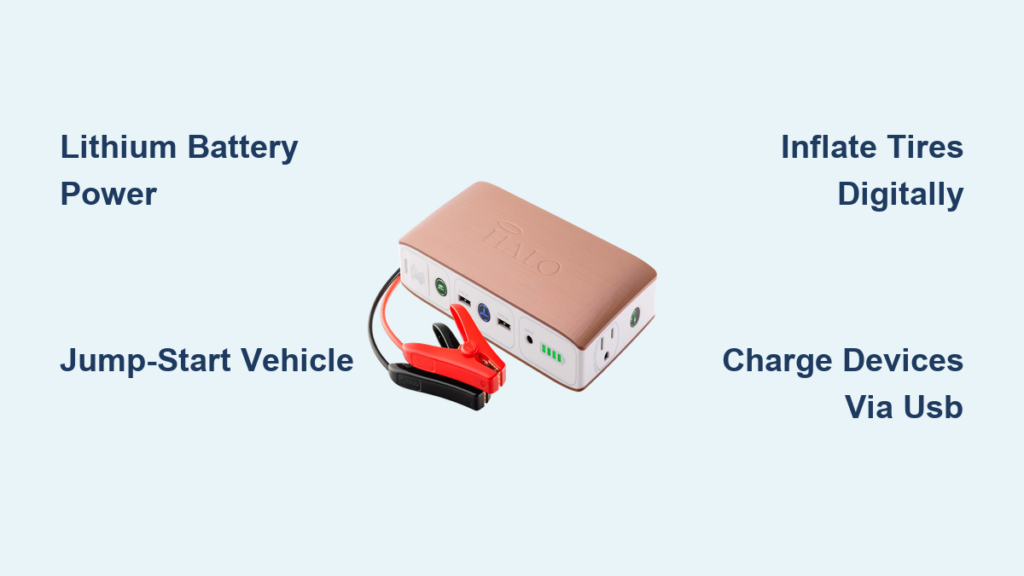
If your car won’t start, your tires are flat, and your phone is dead, a Halo charger could be the only tool you need. Despite the name, a Halo charger isn’t just for charging batteries. It’s a multi-functional emergency power station designed to jump-start vehicles, inflate tires, charge devices, and provide emergency lighting, all from a compact, lithium-powered unit. Whether you’re stranded on a cold winter morning or camping off-grid, understanding how a Halo charger works can turn panic into preparedness.
At its core, a Halo charger (like the Halo Bolt, Bolt Air, or Halo Bolt Wireless) uses a high-capacity lithium-ion battery to power four critical systems in one device. This eliminates the need for separate jumper cables, air pumps, power banks, and flashlights. With built-in safety checks, cold-weather reliability, and smart diagnostics, it’s engineered for ease of use, even by beginners. In this guide, we’ll break down exactly how each function operates, what makes it reliable, and where its limits lie, so you know when and how to use it effectively.
The Core Power Source: High-Capacity Lithium Battery
The heart of every Halo charger is a 58,830 mWh lithium-ion battery, equivalent to approximately 16,342 mAh at 3.6V. This high-density battery stores enough energy to deliver both sustained power (like tire inflation) and short bursts (like jump-starting an engine). Most premium Halo models use this capacity, though some variants like the Halo Bolt Wireless have slightly lower ratings around 44,400 mWh.
This energy reserve allows the unit to jump-start a dead car battery with minimal drain, recharge a smartphone 3 to 4 times, inflate a flat motorcycle tire from 0 to 43 PSI, and run emergency lights for extended periods. Despite its power, the battery self-discharges slowly. Users report only 10% loss after six months in storage, and some saw just a 1% drop after weeks in a cold car. That means it stays ready when you need it most.
Battery Life and Charging Cycles
While the manufacturer doesn’t specify exact cycle life, comparable lithium jump starters last 500 or more charge/discharge cycles before significant degradation. The Halo’s Battery Management System protects against overcharging, over-discharging, and short circuits, helping maintain performance over time. Recharging takes 3 to 5 hours using the included AC wall adapter, which is the fastest method. Charging via a car’s 12V socket is much slower, restoring only about 2% per 10 minutes, making it inefficient for urgent top-offs.
Jump-Starting Your Vehicle Safely

A Halo charger doesn’t just supply power. It delivers a high-current surge capable of cranking a stalled engine. It’s designed to start gasoline engines up to 8.0L and diesel engines up to 6.5L, making it suitable for most cars, SUVs, trucks, motorcycles, boats, and even lawnmowers. The internal battery converts stored energy into a 12V output through polarized jumper clamps, mimicking a healthy car battery. Unlike older jump starters, Halo units use spark-proof technology, meaning they won’t ignite flammable gases during connection, a major safety upgrade.
Step-by-Step Jump-Start Process
First, locate your vehicle’s battery under the hood. Next, connect the clamps: red clamp to the positive (+) terminal, black clamp to the negative (-) terminal or grounded metal. Finally, press the jump-start button, and the unit runs an automatic diagnostic. The Halo’s one-way keyed connector ensures correct polarity. If reversed, a flashing red light warns you to fix the connection before proceeding.
Real-World Starting Performance
Users have successfully started vehicles in temperatures as low as 12°F (-11°C), including a Dodge Ram 1500 after a freezing night. After one jump, the unit often shows 100% remaining charge, indicating efficient power delivery and minimal energy loss. It can even stay connected while riding, proven effective on a BMW G310 motorcycle when the bike’s onboard battery failed mid-ride.
Tire Inflation with Digital Control
Models like the Halo Bolt Air and Air Bolt include a 12V electric air compressor with digital pressure monitoring. It inflates tires, sports balls, air mattresses, and inflatables, no external power needed. The system features a toggle-style chuck for secure valve connection, auto shut-off at target pressure, and thermal protection to prevent motor burnout.
How to Set and Inflate to Target PSI
Press the Units button to select PSI, BAR, kPa, or kg/cm². Use the +/- buttons to set desired pressure. Attach the hose to the tire valve. Press Air to start pumping. The compressor runs until it reaches the set pressure, then stops automatically, preventing over-inflation.
Inflation Speed and Real Tests
Inflated two bicycle tires (approximately 10 PSI each) in about 20 seconds per tire. Fully refilled a flat 180/55 X 17 motorcycle rear tire from 0 to 43 PSI in 5 minutes 50 seconds, including a 3-minute cooldown. During testing, the unit shut off at 37 PSI due to heat, resumed after cooling, and finished the last 6 PSI in 50 seconds. The case warmed but remained safe to touch.
Accuracy: Trust But Verify
Pressure readings vary by unit. Some matched a digital gauge within ±2 PSI. Others under-reported by 5 PSI (set to 35, actual 30). One case over-inflated to 40 PSI when set to 35. Always double-check with a standalone tire gauge. Don’t rely solely on the Halo’s display.
Charging Phones, Tablets, and More
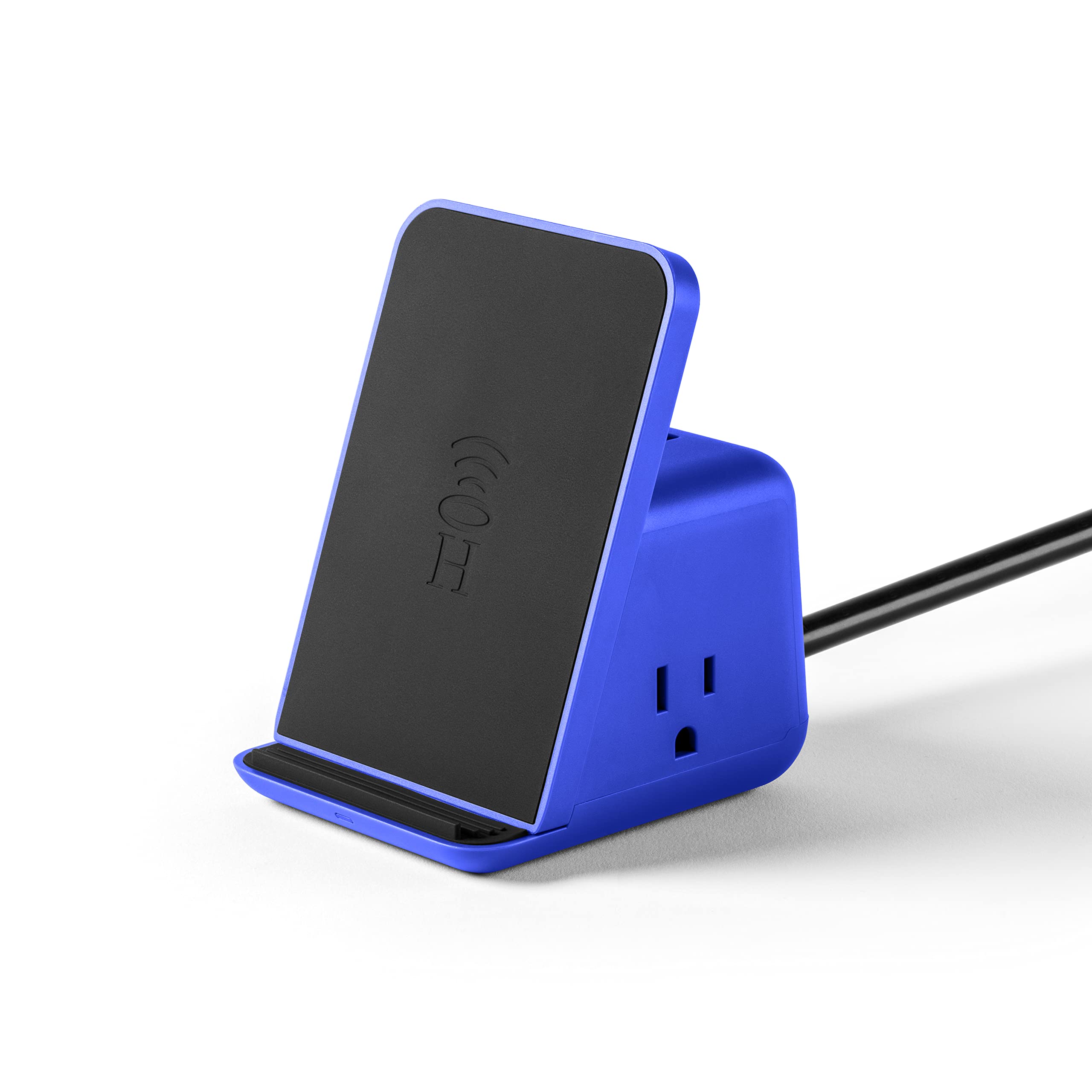
Halo chargers include two USB-A ports, each delivering 5V / 2.4A, with total shared output of 5V / 4.8A. This supports fast charging for iPhones (including iPhone XR and 8 Plus), Android phones, GPS units, MP3 players, and handheld gaming devices. From a full battery, you can get 3 to 4 full charges for an iPhone XR or 8 Plus, providing up to 60 hours of talk time for one phone. However, tablet charging is slower due to higher power demands.
AC Outlet on Select Models
The Halo Bolt Wireless 44400 mWh includes a 110V AC outlet, powered by an internal inverter. It can run laptops (brief use), LED lights, and small blenders (short bursts only). Due to power limits, high-wattage appliances will drain the battery quickly.
Recharge While You Use
Halo supports daisy-chaining: you can charge your phone while the Halo itself is recharging via AC, car adapter, or USB. This is useful during long trips or power outages. But keep in mind that car charging is slow (about 2% per 10 minutes), while AC wall adapter is fastest (3 to 5 hours from empty).
Emergency Lighting for Breakdowns
The Halo charger includes a multi-mode LED system. The floodlight provides a bright white beam for engine bay lighting. Steady red offers low-light visibility. Flashing red or SOS mode serves as an emergency beacon or distress signal. These are invaluable during nighttime breakdowns, roadside repairs, or camping.
Fixed Light Direction Limitation
The LED is fixed in position, so you must reposition the entire unit to aim the light. In tight engine compartments, this can limit usability. Some users place it on the fender or hood for better coverage. Still, having any light source beats working in the dark, especially in remote areas.
Safety First: Built-In Protections
Halo chargers incorporate multiple layers of electronic and mechanical safeguards. The reverse polarity alert flashes red if clamps are reversed, preventing damage to your vehicle’s electrical system. Over-current protection prevents dangerous current draw. Short-circuit protection blocks unsafe electrical paths. Spark-proof design makes it safe to connect near flammable fumes.
Overheat and Auto Shut-Off
The compressor may shut down during prolonged use to avoid overheating, even without a Temp warning. Wait 3 to 5 minutes before resuming. These protections make Halo chargers ideal for beginners who might otherwise risk damage with traditional jumper cables.
Who Should Use a Halo Charger?
A Halo charger is ideal for daily commuters who want to keep one in the glove box. Winter drivers benefit from cold-weather reliability. Motorcycle and bicycle riders appreciate the compact carry size. Campers and overlanders value the all-in-one emergency kit. Boaters can start small engines. It makes a practical, life-saving gift. It replaces jumper cables, a standalone jump starter, a power bank, a tire pump, and a flashlight, all in one device weighing just 2 pounds 8 ounces and measuring 9.5 by 4.6 by 1.9 inches.
Frequently Asked Questions About Halo Chargers
Can a Halo charger start a dead car battery in cold weather?
Yes. Users have successfully started vehicles in temperatures as low as 12°F (-11°C), including full-size trucks. The Halo’s lithium battery maintains voltage output in cold conditions better than traditional lead-acid jump starters.
How long does it take to recharge a Halo charger fully?
Using the included AC wall adapter, a full recharge takes 3 to 5 hours from empty. Charging via a car 12V socket is much slower, about 2% per 10 minutes, making it impractical for quick top-offs.
Is the tire pressure reading on a Halo charger accurate?
It varies. Some units match a digital gauge within ±2 PSI, while others under-report by up to 5 PSI. Always verify pressure with a standalone tire gauge for critical applications.
Can I use a Halo charger to power a laptop?
Only select models like the Halo Bolt Wireless include a 110V AC outlet. These can power laptops briefly, but high-wattage devices will drain the battery quickly. Standard models only offer USB ports.
How many times can a Halo charger recharge a smartphone?
From a full battery, you can recharge an iPhone XR or similar phone 3 to 4 times. Actual results vary based on phone model, battery age, and usage conditions.
Key Takeaways for Using Your Halo Charger
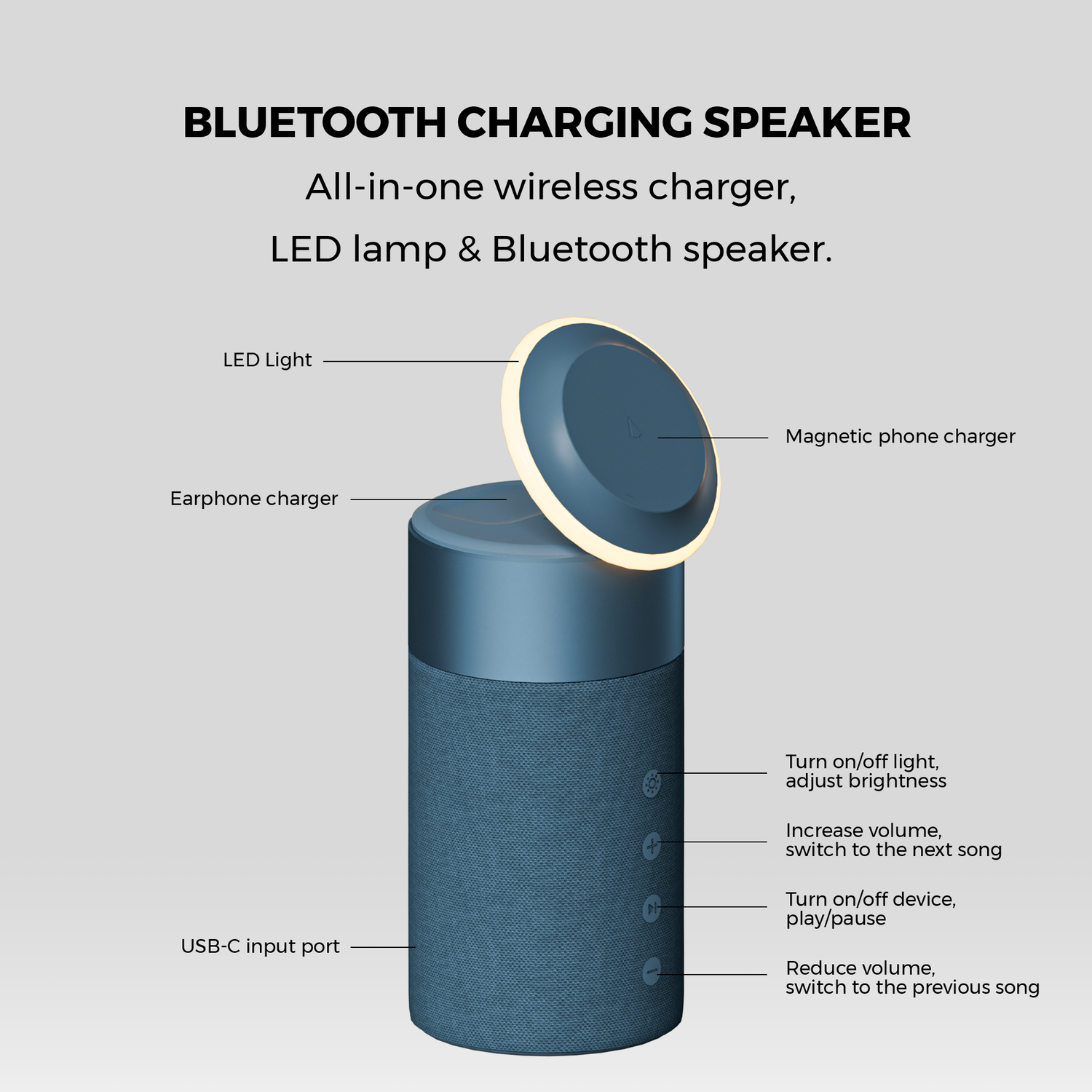
A Halo charger works by combining a high-capacity lithium-ion battery with four integrated systems: jump-starting delivers a safe, high-current surge to restart 12V vehicles, tire inflation uses a digital compressor with auto shut-off, device charging powers phones and small electronics via USB and AC on some models, and emergency lighting provides floodlight and SOS signaling. Its smart safety features, cold-weather reliability, and compact design make it a must-have for drivers and outdoor enthusiasts.
Use the AC adapter to recharge quickly, and always verify tire pressure independently. Match the model to your vehicle’s engine size. Store it charged and cool for long-term readiness. Treat it as part of a full emergency kit, not a complete replacement. For anyone who values preparedness, portability, and peace of mind, knowing how a Halo charger works means knowing how to stay safe, anywhere, anytime.