If you’re relying on an Anker charger to keep your devices powered on the go, one question likely stands out: how long does an Anker charger last? The answer isn’t just about time. It is about charge cycles, usage habits, and how well you care for your device. Anker power banks are engineered for durability, with most lasting two to five years under regular use before noticeable performance decline. Thanks to high-quality lithium-ion or lithium-polymer cells, advanced Battery Management Systems, and robust safety features, Anker chargers outperform many budget alternatives. They typically endure 300 to 500 full charge cycles, retaining 70 to 80 percent of their original capacity even after heavy use. In this guide, you will learn exactly what affects lifespan, how to extend it, and what signs to watch for as your charger ages.
Charge Cycle Lifespan Explained
Anker chargers are built to withstand repeated use, but their longevity hinges on charge cycles. A full charge cycle means using 100 percent of the battery’s capacity, whether in one go or over multiple partial charges.
How Many Cycles Can You Expect
Most Anker power banks are rated for 300 to 500 full charge-discharge cycles. After this point, they retain about 70 to 80 percent of their original capacity. For example, a 20,000mAh power bank may only deliver 14,000 to 16,000mAh after 500 cycles. Higher-end models like the Anker 737 support up to 1,000 plus cycles thanks to premium 18650 cells and GaN technology.
Myth Busted: There is no software lockout at 300 cycles. While Anker recommends avoiding extended use beyond this point for safety, real-world data shows many units remain functional and safe well past 500 cycles.
Partial vs. Full Discharges
You do not need to drain your Anker charger to 0 percent before recharging. In fact, doing so accelerates wear. Lithium batteries degrade faster when subjected to deep discharges.
Two 50 percent top-ups equal one full cycle. Frequent partial charging from 40 percent to 80 percent reduces stress and extends lifespan. Users who avoid full discharges often see five or more years of service. To maximize cycle life, aim to keep your Anker charger between 20 percent and 80 percent during daily use.
Battery Degradation Over Time
Even with perfect care, all lithium-based batteries degrade over time due to electrochemical aging. This happens whether the device is in use or sitting idle.
Natural Aging Factors
Self-discharge is a major factor. Anker power banks lose 2 percent to 10 percent of charge per month when not in use. Premium models like the Anker Prime lose only 2 to 3 percent monthly. Older or poorly stored units may deplete faster. Chemical wear occurs with each charge cycle, causing microscopic damage inside the battery cells. Passive degradation happens slowly even when unused, especially if stored at extreme charge levels.
Critical Tip: Never store your Anker charger fully drained. A battery left at 0 percent for months can enter deep sleep mode or suffer permanent damage.
When Capacity Drops
After approximately 500 cycles, expect reduced number of device charges per full recharge. You may also notice faster self-discharge and a slight increase in heat during use. This decline is gradual, not sudden, so you will have time to plan a replacement.
Model-Specific Longevity Comparison
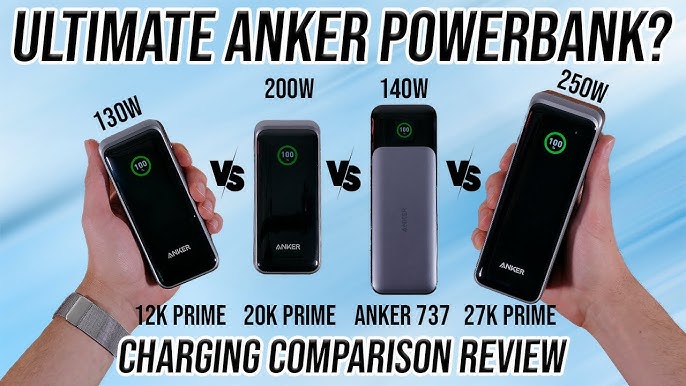
Not all Anker chargers are built the same. Higher-end models feature better components, smarter firmware, and enhanced thermal management, leading to longer lifespans.
Top Models and Their Lifespan Potential
| Model | Rated Cycles | Key Longevity Features |
|---|---|---|
| Anker 737 Power Bank (24K) | 1,000+ | GaN fast charging, cycle counter, advanced BMS |
| Anker Prime 26K (300W) | 500 to 1,000+ | 250W self-recharge, firmware updates, thermal regulation |
| Anker MagGo 10K | 300 to 1,000 | Built-in cable, MagSafe compatibility, compact cooling |
| Standard 20,000mAh | 300 to 500 | Dual USB ports, overcharge protection, reliable BMS |
Pro Insight: The Anker 737 includes a built-in cycle counter accessible via button press, letting you monitor wear directly. At 36 cycles in four months with light use, it could last three to five years before reaching 300 to 500 cycles. Premium models also support firmware updates, which can improve efficiency and prolong life by optimizing charging algorithms.
Real-World Usage and Expected Lifespan

How long your Anker charger lasts depends heavily on how you use it. Two users with the same model may see vastly different results.
Light vs. Heavy Use Scenarios
| Usage Pattern | Estimated Lifespan | Charge Cycles Per Year |
|---|---|---|
| Light (occasional travel) | 4 to 5 years | 50 to 100 cycles |
| Moderate (weekly use) | 3 to 4 years | 100 to 200 cycles |
| Heavy (daily full discharges) | 2 to 3 years | 300+ cycles |
A user charging their phone once a week from 30 percent to 80 percent might take five or more years to hit 500 cycles. In contrast, daily full discharges could reach that mark in under two years.
User Feedback: Reddit and Amazon reviews confirm most Anker power banks last three to five years before capacity becomes a limiting factor. Failures are rare, and degradation is gradual.
What Affects Anker Charger Longevity

Several key factors influence how fast your Anker charger ages. Some are within your control, while others depend on environment and design.
1. Charging Habits
The best practice is to recharge at 20 to 30 percent and stop at 80 to 90 percent. The worst habit is regularly running to 0 percent or leaving at 100 percent for days. Avoid overnight charging unless necessary.
2. Heat Exposure
Heat is the number one enemy of lithium batteries. High temperatures accelerate chemical degradation. Never leave your Anker charger in a hot car or direct sunlight. Avoid using it while charging for long periods. Models like the Nano MagGo 5K use graphene cooling and run 14 degrees Celsius cooler, reducing thermal stress.
3. Storage Conditions
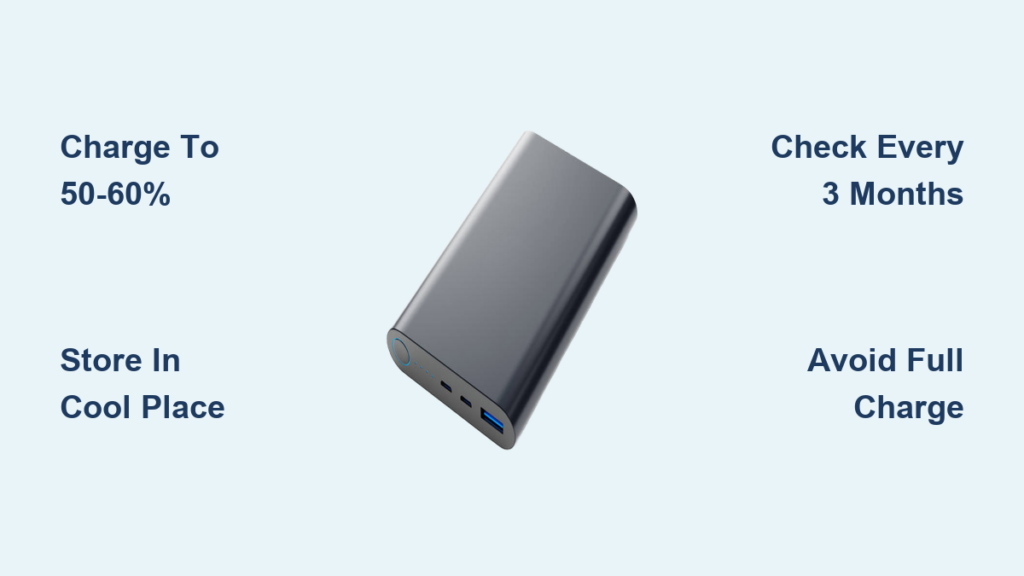
Improper storage shortens lifespan dramatically. Ideal storage charge is 50 to 80 percent. Ideal temperature is 0 to 35 degrees Celsius. Recharge every three months if not in use.
4. Cable and Adapter Quality
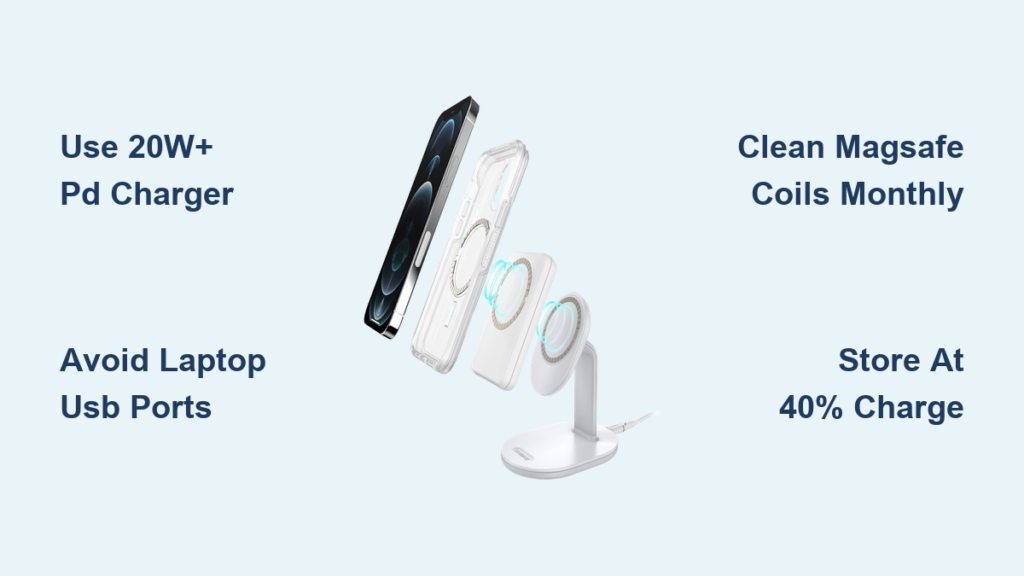
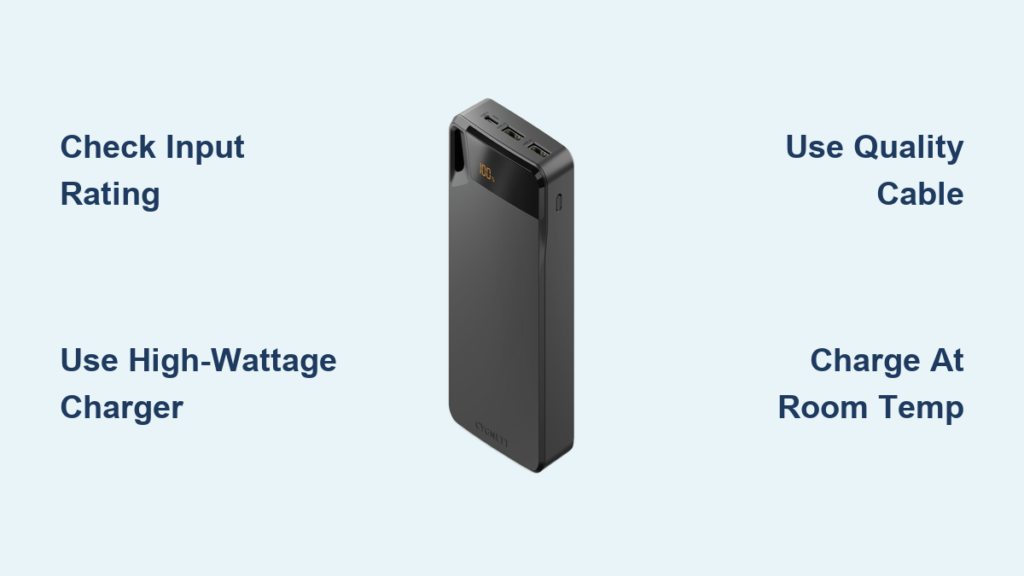
Using low-quality cables can cause voltage drops, inefficient charging, and increased battery strain. Always use Anker-branded or certified USB-PD cables. Match input wattage, for example, use a 30W+ adapter for fast-charging models.
Signs Your Anker Charger Is Failing
Anker chargers rarely die suddenly. Instead, they show warning signs as battery health declines.
Common Red Flags
Reduced output means your phone gets less charge than before. Fast self-discharge is losing more than 10 percent charge in a few days. Overheating means getting unusually warm during normal use. Inconsistent power delivery means device charging cuts in and out. LED inaccuracies show full charge but drain quickly. Physical swelling is rare but indicates serious battery failure.
If multiple symptoms appear together, the battery has likely degraded beyond useful performance.
Safety Note: Stop using any power bank that swells, leaks, or emits a burning smell. Contact Anker support immediately.
Troubleshooting a Non-Working Anker Charger
If your Anker charger is not powering on or charging devices, try these steps before assuming it is dead.
Step-by-Step Fix Guide
- Test the cable and adapter using a known-working USB-C cable and wall charger. Low-wattage adapters may not wake a deeply discharged unit.
- Clean the ports. Dust or debris in USB-C input/output ports can block connection. Use compressed air or a soft brush.
- Check for deep sleep mode. If drained below 5 percent, the unit may enter hibernation. Plug in and wait 30 or more minutes.
- Try different devices to rule out issues with the phone or tablet you are charging.
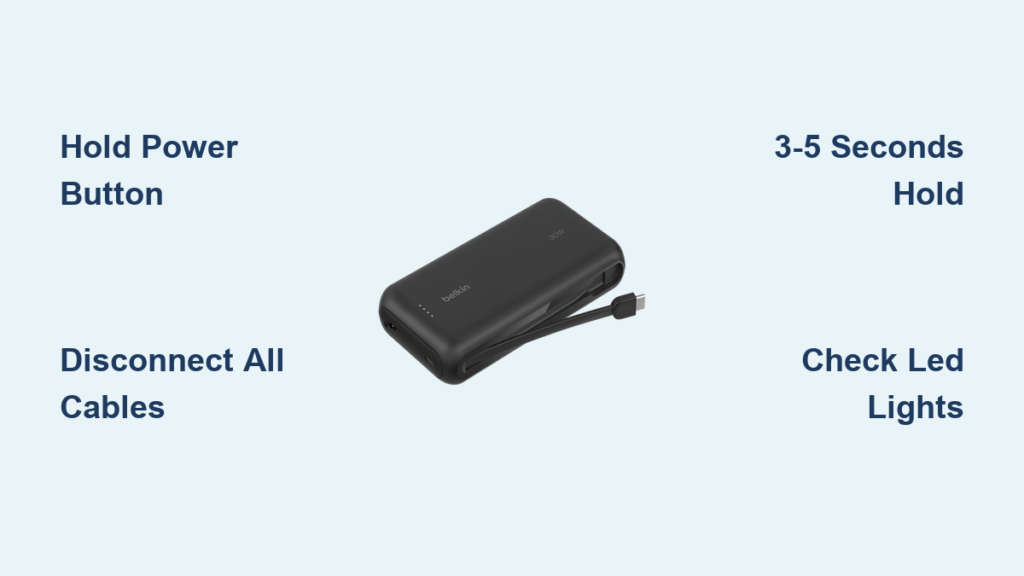
- Reset the power bank if supported. Some models can be reset by connecting input and output ports briefly with a metal object.
- Contact Anker Support if under warranty. Anker offers strong customer service and often replaces aging units.
How to Extend Your Anker Charger’s Life
You can significantly prolong your Anker charger lifespan with simple, consistent habits.
7 Proven Longevity Tips
- Avoid full discharges. Recharge when battery drops to 20 to 30 percent. Only go to 100 percent when you need maximum capacity.
- Do not overcharge. Unplug once it reaches 80 to 90 percent for daily use. Leaving it at 100 percent for weeks increases internal resistance.
- Store at 50 to 80 percent charge. Ideal for travel bags, emergency kits, or seasonal storage. Recharge every three months to prevent deep discharge.
- Keep it cool. Avoid hot environments like car dashboards or direct sun. Use in well-ventilated areas, especially during fast charging.
- Limit pass-through charging. Charging a device while your power bank is itself charging generates heat. Use sparingly and ensure airflow.
- Use quality accessories. Cheap cables can cause erratic charging and stress the BMS. Stick to Anker or MFi-certified cables.
- Update firmware if available. High-end models like the Anker Prime support firmware updates. These can improve efficiency, fix bugs, and enhance safety.
Pro Tip: The Anker 737 displays cycle count. Use this to track wear and plan replacements.
Efficiency and Usable Capacity
Even new Anker chargers do not deliver 100 percent of their rated capacity due to energy conversion losses.
Why You Get Less Than Advertised
Voltage conversion from 3.7V battery to 5V/9V output wastes energy. Circuit inefficiencies and heat reduce output. Real-world efficiency is 70 to 80 percent of rated capacity.
| Rated Capacity | Usable Output (Smartphone Charges) |
|---|---|
| 5,000mAh | 1.5 charges (3,500mAh usable) |
| 10,000mAh | 2 to 3 charges |
| 20,000mAh | 4 to 5 charges for 4,000mAh phone |
| 24,000mAh (Anker 737) | 5 to 6 full charges |
| 26,250mAh (Anker Prime) | Up to 0.8 MacBook Pro charge |
Note: Fast-charging features allow rapid self-recharging. The Anker Prime reaches 50 percent in 13 minutes and full in approximately one hour with a 250W adapter.
Anker vs. Budget Chargers: Longevity Battle
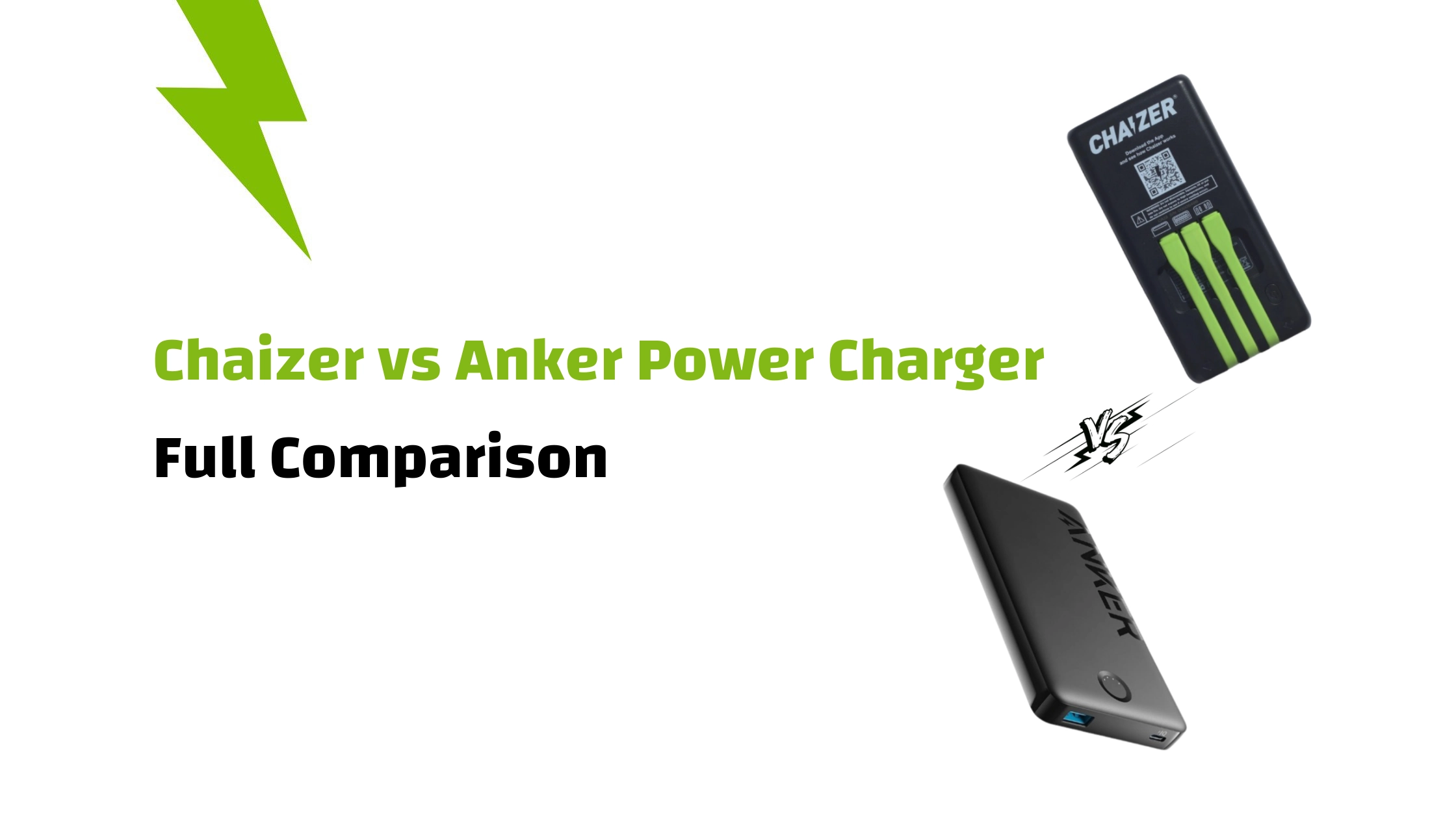
Anker’s durability comes from superior engineering, not just marketing.
| Factor | Anker | Budget Brands |
|---|---|---|
| Charge Cycles | 300 to 1,000+ | 100 to 300 |
| Capacity Retention | ~80% after 500 cycles | Often <70% after 200 |
| Self-Discharge | 2 to 5% per month | 5 to 10% per month |
| Safety Protections | Full suite (BMS, surge, temp) | Often minimal |
| User Lifespan | 3 to 5 years | 1 to 2 years |
Anker uses premium-grade cells, rigorous QC, and multi-layer protection circuits, making it a smarter long-term investment.
Frequently Asked Questions About Anker Charger Lifespan
How long before an Anker charger loses capacity?
Noticeable drop typically occurs after 300 to 500 charge cycles, or two to five years depending on use. Degradation is gradual.
Do Anker chargers stop working after 300 cycles?
No. While Anker advises caution beyond 300 cycles, there is no automatic shutdown. Many users report reliable performance past 500 cycles.
Why is my Anker charger losing charge when not in use?
All lithium batteries self-discharge. Anker units lose 2 to 10 percent per month. Store at 50 to 80 percent charge and recharge every three months.
Can I leave my Anker charger plugged in overnight?
Occasionally, yes, but avoid it regularly. Prolonged 100 percent charging increases stress. For daily use, unplug at 80 to 90 percent.
Does fast charging reduce Anker charger lifespan?
Frequent fast charging generates more heat, which accelerates aging. Use it when needed, but prefer standard charging for longevity.
How do I check my Anker charger health?
Monitor how many times it charges your phone versus when new. Use models with LED indicators or cycle counters. Sudden performance drops signal declining health.
Final Verdict: How Long Does an Anker Charger Last
Anker chargers are built to last. With proper care, expect three to five years of reliable service from most models. They endure 300 to 500 full charge cycles, with premium units like the Anker 737 and Prime 26K exceeding 1,000 cycles. Capacity fades gradually, not suddenly, so you will have time to adapt. To maximize lifespan, avoid extreme temperatures, minimize full discharges, store at 50 to 80 percent charge, use quality cables, and update firmware when available.
While no battery lasts forever, Anker’s combination of high-grade cells, advanced BMS, and thermal protection makes it one of the most durable choices on the market. Whether you are a traveler, student, or remote worker, your Anker charger is a long-term investment in portable power. Treat it right, and it will keep your devices running for years to come.