Youre on vacation, your hearing aid battery is dying, and you realize you left the charger at home. Suddenly, a simple oversight becomes a major problem. For users of rechargeable hearing aids, the absence of the original charger can feel like a crisis, especially when quick fixes do not exist. This guide explains exactly what to do when you are stuck without your charging dock, what alternatives definitely will not work, and how to prevent this situation in the future.
Despite widespread confusion, no standard consumer charger can power your hearing aids. They rely on precise inductive coupling between the device and its proprietary dock. Even though both hearing aids and smartphones use inductive charging, they operate on different frequencies, voltages, and coil alignments. That means your iPhone Qi charger will not work, nor will plugging anything into a USB cable.
Why Hearing Aids Require Their Specific Charger

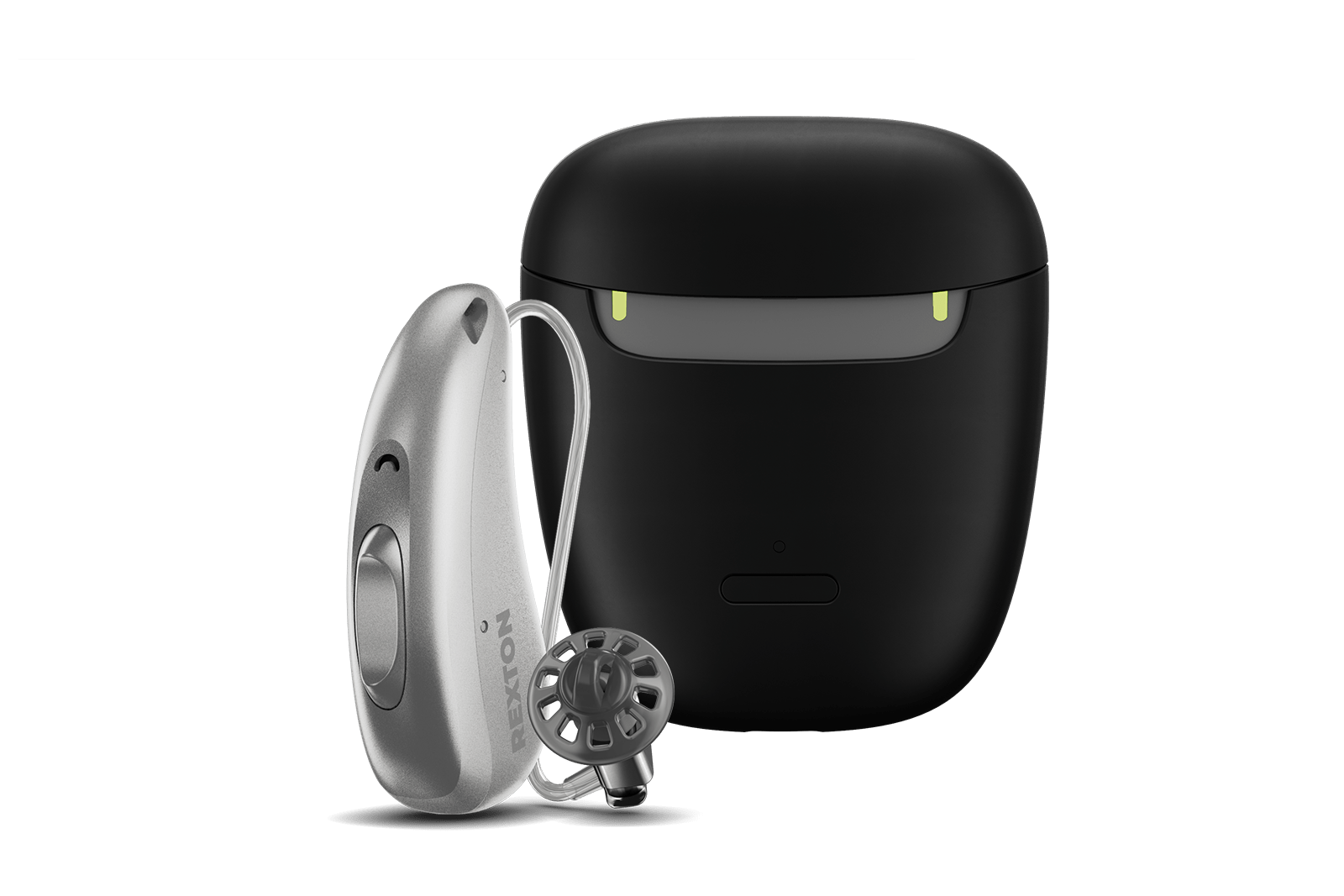
Rechargeable hearing aids use magnetic induction to transfer power wirelessly. Tiny coils inside the charging case and hearing aid align to create an electromagnetic field that charges the battery. However, this system is engineered specifically for each model, with exact tolerances for voltage, current, and timing.
Inductive Charging Is Not Universal
Just because two devices use inductive charging does not mean they are compatible. Hearing aids are not designed to work with Qi, the standard used by phones and smartwatches. One user tested a Philips hearing aid on a Qi pad and reported that it did not work. Another user clarified that there is no charging port, meaning the system cannot be bypassed.
Manufacturers like Phonak, Oticon, and Signia design their docks to communicate with the hearing aid during charging, monitoring temperature, charge level, and safety protocols. Without this handshake, charging will not start.
No Direct Charging Ports Exist
Modern rechargeable hearing aids have no charging ports. There is no micro-USB, USB-C, or Lightning connector to plug into. The surface is sealed to protect against moisture and debris.
This means you cannot use a USB cable, you cannot attach alligator clips or external batteries, and you cannot hack the system with DIY methods. Any attempt to modify the device risks permanent damage, fire hazard, or voided warranty.
What Does Not Work
Several common charging methods will fail when applied to hearing aids.
Phone Chargers and USB Cables
You cannot charge hearing aids using a phone charger or USB cable. There is no port to connect anything to, so these methods are completely incompatible.
Qi Wireless Charging Pads
Despite using similar underlying technology, hearing aid charging systems are not interoperable with Qi wireless chargers. Real-world testing confirms this incompatibility. Users have tried charging Philips hearing aids on Qi pads with no success.
Power Banks Without a Charging Case
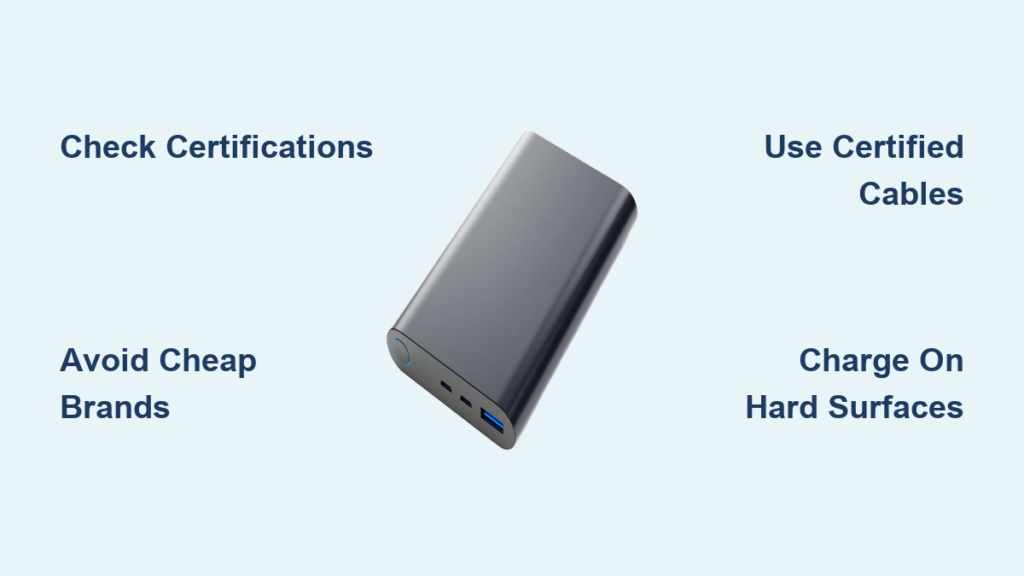
A power bank can only charge the hearing aid charging case itself. The case then charges the hearing aids. You cannot use a power bank to charge hearing aids directly.
Emergency Solutions When Your Charger Is Missing
When you are stranded without your charger, these logistical workarounds are your only real options.
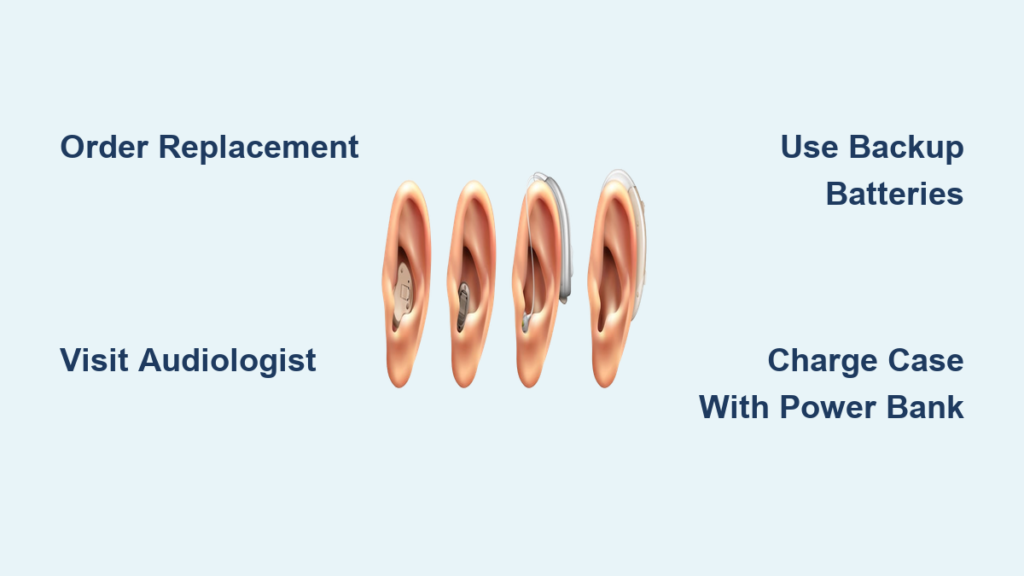
Order a Replacement Overnight
If you are at home or traveling, Amazon Prime or expedited shipping can get a new charger fast. Search for your model number, such as Phonak Audéo Lumity or Oticon More-1s. Use same-day delivery to send it to your hotel, office, or a friends house. Some users report success with Amazon Lockers near cruise ports or airports.
Check manufacturer websites too. Phonak, Signia, and Oticon allow direct ordering, but delivery may take several days.
Visit a Local Hearing Clinic
Audiologists often carry chargers for common models or can order one quickly. Call ahead with your hearing aid brand and model. Ask if they have a charger in stock, if you can borrow one temporarily, or if they can charge your devices on-site. Some clinics offer emergency charging services, especially if you are a patient.
Bring your hearing aid case or app to confirm the model when you visit.
Ask Hotel or Cruise Staff
Hotels and cruise ships see lost chargers all the time. Hotel concierge may have a recovered charger in lost-and-found. Larger resorts or cruise lines sometimes partner with hearing aid suppliers. You can also have a replacement shipped to the ships next port.
One user shared that asking the hotel concierge saved their trip when a previous guest had left behind a charger.
Power-Saving Tactics to Extend Battery Life
When charging is not possible, conserving remaining power buys you time.
Turn Off Hearing Aids Completely
Do not just remove them. Power them down using the program button until you hear a shutdown chime, or open and close the battery door if applicable. This stops background processing and Bluetooth scanning.
A Phonak technician confirmed that turning off hearing aids completely is crucial for conserving power.
Disable Bluetooth and Streaming
Bluetooth is the number one battery drain. To save power, turn off phone connection in the companion app. Disable music streaming and phone call routing. Avoid using voice assistants through the aids. This can extend battery life by four to six hours.
Reduce Volume and Avoid Noisy Environments
High-volume settings and noisy environments force the processor to work harder. Lower the volume manually. Use a quieter program such as Quiet Environment mode. Limit use in crowded places like restaurants or airports.
Carry Disposable Backup Batteries
Some models support dual power, meaning they can use either rechargeable batteries or disposable zinc-air cells. Examples include Phonak Audéo Life, Oticon Xceed Play, and hybrid models from Widex, Signia, and Starkey.
If your model supports disposables, always travel with a small pack. Store them in a dry, room-temperature place. Replace when battery drops below 20 percent. You can buy disposable batteries at pharmacies, supermarkets, or online.
Travel Preparation to Avoid Charger Emergencies
The best solution is never losing your charger in the first place.
Use a Portable Power Bank
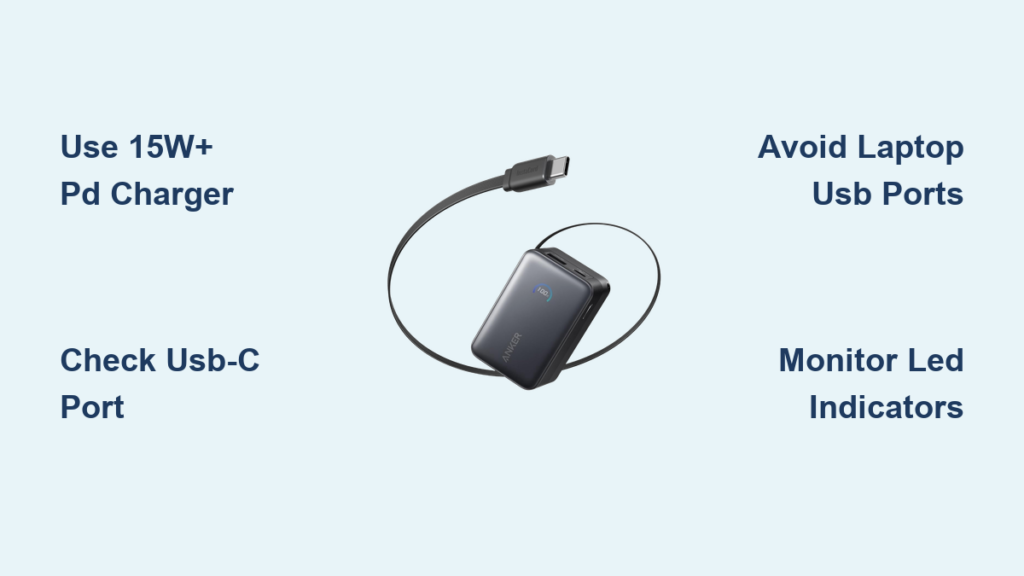
Many charging cases connect via USB to external power sources. You can plug the case into a USB power bank like Anker or Jackery. Use a solar charger for outdoor trips. Charge from a USB car adapter.
The power bank powers the charging case, not the hearing aids directly. Bring a compact 5,000 to 10,000 mAh battery that fits in your pocket and can recharge the case two to three times.
Buy Multiple Chargers
Invest in backup chargers for key locations. Keep one at home, one in your car, one at work, and one in your travel bag. Yes, they are expensive, up to 300 dollars for OEM models, but downtime costs more.
Pack a Travel Charging Kit
Create a dedicated kit with your primary charger, USB power bank, international plug adapter for global travel, backup disposable batteries if compatible, and a model number card for quick reference. Store it in a separate bag so you do not lose everything at once.
Model-Specific Charging Information
Not all hearing aids are the same. Here is what you need to know by brand.
Phonak Models
Phonak Audéo, Lumity, and Paradise models require Phonak-specific charging docks. The case connects via USB to wall adapter or power bank. No direct charging is possible. Use the myPhonak app to verify model and charging status.
Oticon Models
Oticon More-1s uses an Oticon-branded inductive dock. No alternative charging methods exist. Users have reported calling audiologists hoping someone has a charger in stock.
Signia Models
Signia Pure Charge and Go uses a dedicated inductive case. It cannot use Qi or phone chargers. Users have reported being unable to figure out how to charge without the specific charger made for their model.
Compatibility Across Brands
Chargers are not interchangeable, even within brands. Always check with your provider before assuming compatibility between different models or tiers.
Why Some Users Avoid Rechargeable Models
Despite convenience, many stick with disposable batteries for good reasons.
Freedom and Flexibility
With disposable batteries, you can buy replacements at drugstores, supermarkets, or online. Swap them in seconds without waiting to charge. There is no fear of charger failure or loss.
One user said this is one of the reasons they do not want to go rechargeable. They would rather have a ready supply of batteries.
Cost and Support Frustration
Replacement chargers cost up to 300 dollars and can be hard to find in stock. Users have reported calling around to multiple audiologists to find one. Poor vendor experiences add to the frustration, with some users reporting blocked communication when seeking support.
Summary of What Works and What Does Not
Phone chargers and USB cables do not work because hearing aids have no charging port. Qi wireless charging pads do not work because hearing aid induction is not Qi-compatible. A power bank with a charging case works only if the case itself is present. Disposable batteries work if your hybrid model supports them. Ordering a replacement online works with expedited shipping. Visiting an audiologist works because they may have stock or offer emergency service. Hotel concierge lost-and-found is possible but not reliable.
Frequently Asked Questions About Charging Hearing Aids Without a Charger
Can I use my phone charger to charge hearing aids?
No. Rechargeable hearing aids have no charging ports and cannot be connected to any USB cable or phone charger. They require their specific proprietary charging dock.
Will a Qi wireless charging pad work for hearing aids?
No. Despite using inductive charging technology, hearing aids operate on different frequencies and voltages than Qi-compatible devices. Testing confirms Qi pads do not work with hearing aids.
How can I extend battery life when I cannot charge?
Turn off hearing aids completely rather than just removing them. Disable Bluetooth and streaming. Lower the volume and avoid noisy environments. If your model supports it, carry disposable backup batteries.
Can I charge hearing aids directly from a power bank?
No. A power bank can only charge the hearing aid charging case. The case then charges the hearing aids. You must have the charging case present.
What should I do if I lost my charger while traveling?
Order a replacement via expedited shipping to your hotel or destination. Visit a local audiologist who may have chargers in stock. Ask hotel or cruise staff if they have a lost-and-found charger.
Are hearing aid chargers interchangeable between brands?
No. Chargers are proprietary to each manufacturer and often specific to individual models. Never assume compatibility between different brands or even different models within the same brand.
Key Takeaways for Charging Hearing Aids Without Your Charger
Rechargeable hearing aids cannot be charged without their specific manufacturer-designed charging dock. There is no universal cable, wireless pad, or DIY method that works. The technology relies on precise inductive coupling that is unique to each device.
When your charger is missing, your options are limited to logistical solutions. Order a replacement online with expedited shipping, visit a local audiologist for emergency assistance, or ask hotel staff about lost-and-found equipment. These approaches take time but represent the only viable paths forward.
The most effective strategy is prevention. Carry a backup charger stored separately from your daily hearing aids. Invest in multiple chargers for different locations. Consider a hybrid model that accepts disposable batteries for travel flexibility. Prepare a travel charging kit with a power bank and international adapters.
By planning ahead and understanding the limitations of rechargeable technology, you can avoid being left in the quiet. The key is not finding a hack but being prepared before you need it.