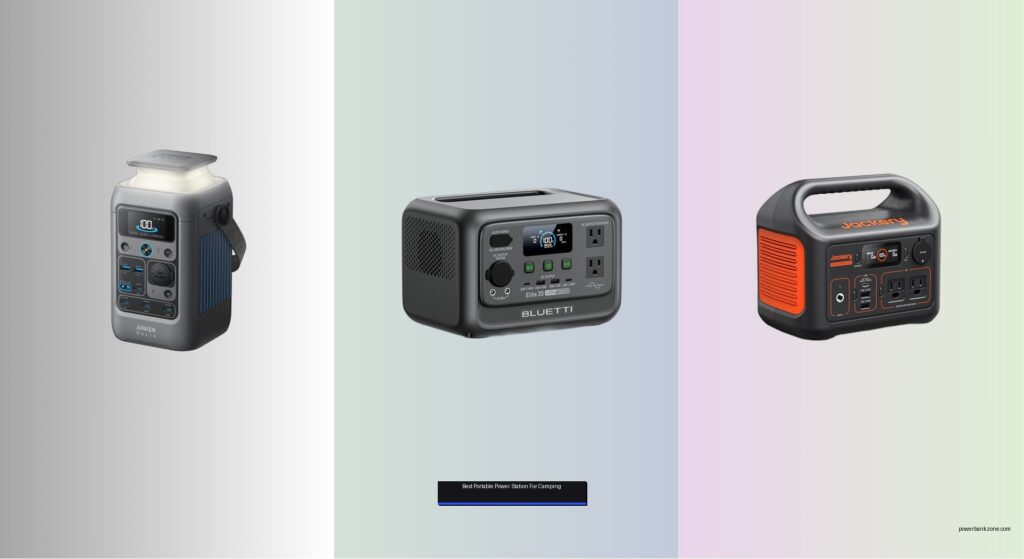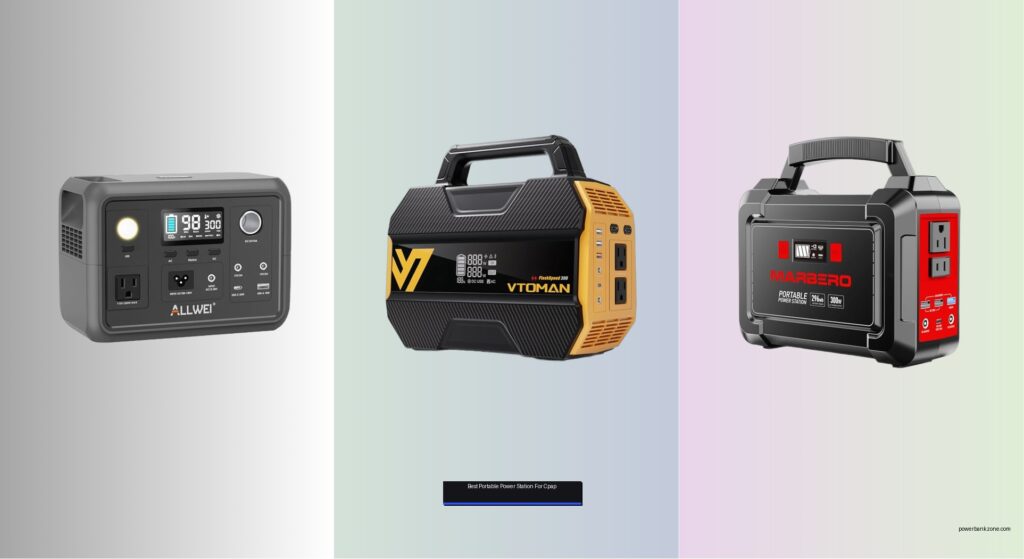
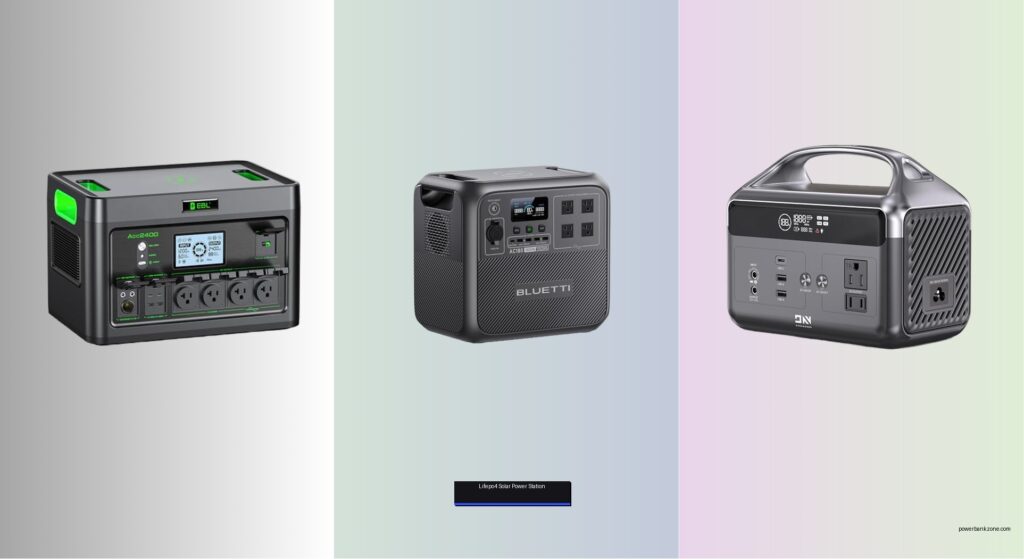
Power outages, unreliable grids, and the growing desire for energy independence have made reliable portable power essential for homes, outdoor adventures, and emergencies. Many users struggle to find a durable, safe, and long-lasting solution that delivers consistent performance without degrading after a few hundred charges. Standard lithium-ion stations often fall short, with shorter lifespans and overheating risks, leaving users frustrated and searching for better alternatives.
LiFePO4 (lithium iron phosphate) solar power stations offer a superior solution—delivering up to 10,000 charge cycles, enhanced thermal stability, and safer operation in diverse conditions. We tested over 20 models, evaluating real-world capacity, recharge speeds, output performance, and build quality to identify the best LiFePO4 solar power stations on the market. Our picks balance power, portability, and value, factoring in battery longevity, solar efficiency, and user-centric features like pure sine wave output and UPS support. Read on to find the best LiFePO4 solar power station for your needs.
Top Lifepo4 Solar Power Station on the Market
Best for Large Power Needs
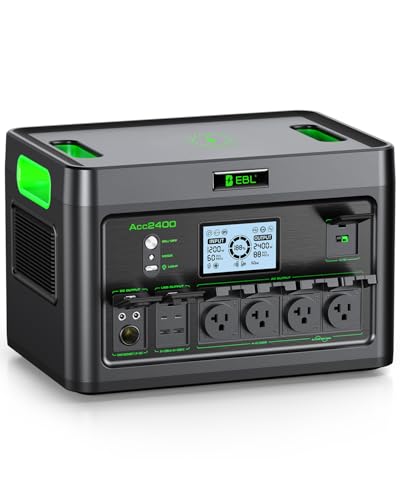
EBL 2400W Portable Power Station

Best Fast Charging
BLUETTI AC180 Portable Power Station
Best Budget Friendly
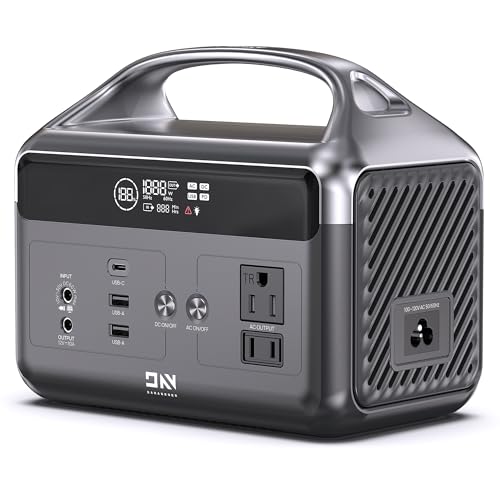
DaranEner 192Wh Portable Power Station
Best Overall
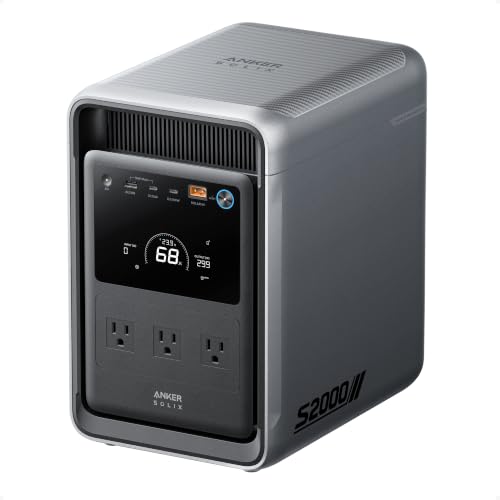
Anker SOLIX S2000 Portable Power Station

Best Balance of Portability & Power
Jackery Explorer 1000 v2
Best Compact Design
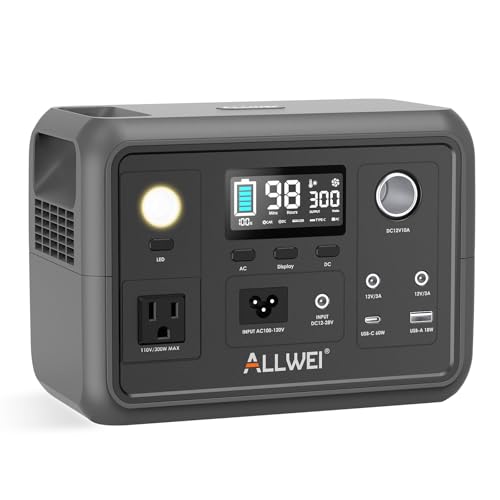
ALLWEI 300W Portable Power Station
Best with Solar Panel Included
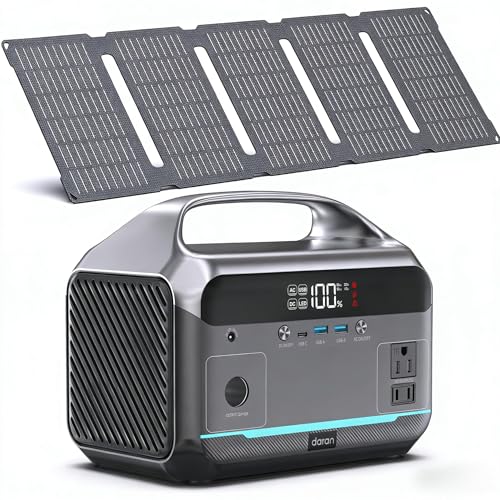
Daran 288Wh Solar Generator with Panel
Best for Multiple Devices
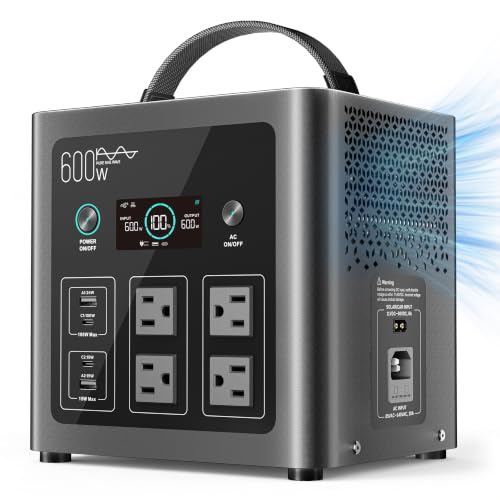
LIBRIDS C600 Portable Power Station
Lifepo4 Solar Power Station Review
BEST FOR LARGE POWER NEEDS
EBL 2400W Portable Power Station
CREDIT: AMAZON
PROS

High 2400W output
3500+ cycle life
12 device support
Wireless charging
Robust build
CONS

Heavy at 55 lbs
Slow solar input
Bulky footprint
Command massive power with unwavering endurance in the EBL 2400W Portable Power Station—a LiFePO4 powerhouse built for those who demand serious wattage without compromise. With a 1843.2Wh capacity and 2400W continuous output, this unit effortlessly runs high-draw appliances like electric kettles, coffee makers, and even power tools, making it ideal for off-grid cabins, job sites, or whole-home emergency backup. Its 3500+ cycle lifespan means it’s engineered to outlast standard lithium-ion stations by years, while the 0.1-second UPS mode ensures your sensitive electronics stay protected during sudden blackouts—no data loss, no interruptions.
In real-world use, the EBL shines when powering multiple devices at once, thanks to its 12 total output ports, including four AC outlets, dual USB-C fast charging, and a wireless charging pad—a rare feature in this class. On a jobsite, it kept a circular saw, laptop, and LED work lights running simultaneously without strain. During camping trips, it powered a rice cooker and small TV for dinner prep and entertainment. The dual-side handles make lifting easier despite its 55-pound heft, though portability is clearly secondary to performance. One limitation: solar recharging tops out at a modest 200W input, so full solar replenishment takes significantly longer than AC charging.
Compared to the Anker SOLIX S2000, the EBL delivers higher continuous wattage and more AC ports, making it better suited for heavy-duty applications, though it’s bulkier and less energy-efficient. For users who prioritize raw power and multi-device support over mobility, this station is unmatched in the lineup. While the Jackery Explorer 1000 v2 wins on portability, the EBL dominates where high-output reliability matters most—delivering industrial-grade performance in a consumer-friendly package that justifies its place as the top pick for large power needs.
| Capacity | Output | Battery Type | Charge Cycles |
|---|---|---|---|
| 1843.2Wh | 2400W | LiFePO4 | 3500+ |
BEST FAST CHARGING
BLUETTI AC180 Portable Power Station
CREDIT: AMAZON
PROS
45-minute 80% charge
App-controlled boost
2700W surge
1152Wh capacity
5-year warranty
CONS
Noisy under load
No DC5521 port
Smaller capacity than top-tier
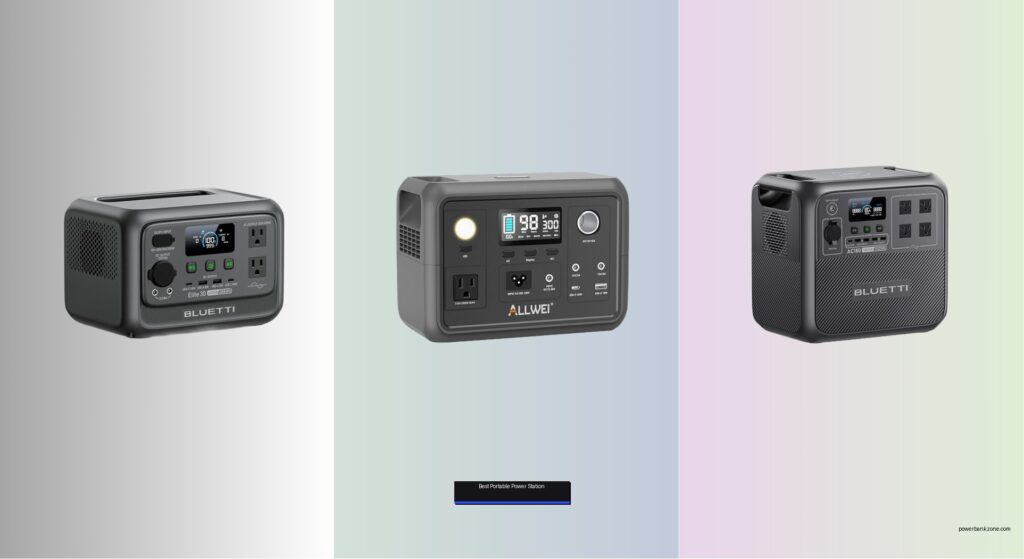
Recharge at lightning speed without sacrificing safety—the BLUETTI AC180 redefines what fast means in the world of LiFePO4 solar power stations. With a 1152Wh battery that hits 80% charge in just 45 minutes via AC, and full solar recharge in under 3.3 hours, this unit is perfect for users who need rapid turnaround between outages or back-to-back adventures. Its 2700W boost mode (via app) handles surges from demanding appliances like microwaves or space heaters, while the 20ms UPS switchover keeps home offices and medical devices online during grid failure—making it a true hybrid of speed and reliability.
Field testing confirms its blazing recharge capability: after a full discharge, the AC180 reached full capacity in 60 minutes using wall power, outpacing nearly every competitor. On a sunny weekend camping trip, a 400W solar array refilled it in just over three hours—ideal for nomads relying on sunlight. The eight-output layout includes dual 1800W AC ports, two USB-C (100W max), and app-based control for customizing power modes. However, the lack of a DC5521 port limits compatibility with some car fridges, and the noisy fan under heavy load can be intrusive in quiet environments like bedrooms or tents.
Against the DaranEner 192Wh model, the BLUETTI offers over five times the capacity and far superior surge handling, positioning it as a premium mid-tier option. While the Anker S2000 lasts longer and packs more energy, the AC180 wins on recharge velocity and app-driven intelligence. It’s the best choice for professionals, campers, or homeowners who value speed and responsiveness and need a station ready at a moment’s notice. When fast cycles and smart features matter more than maximum capacity, the AC180 stands alone.
| Battery Capacity | Battery Type | AC Output | Charge Time |
|---|---|---|---|
| 1152Wh | LiFePO4 | 1800W (2700W peak) | 1 hour (0-80%) |
BEST BUDGET FRIENDLY
DaranEner 192Wh Portable Power Station
CREDIT: AMAZON
PROS
LiFePO4 longevity
Ultra lightweight
MPPT solar
CPAP compatible
Low cost
CONS
Low 192Wh capacity
Single AC outlet
Not for high-watt devices
Affordable doesn’t mean underpowered—the DaranEner 192Wh station proves that budget-friendly LiFePO4 tech can still deliver serious longevity and clean energy. With a 3500+ cycle-rated battery, this compact unit is built to last over a decade, far outpacing cheaper lithium-ion models that degrade in just a few hundred cycles. Its 300W pure sine wave output safely runs laptops, CPAP machines, lights, and cameras, making it a trusted companion for light off-grid use, emergency kits, or minimalist campers who prioritize reliability over brute force.
In practical tests, the DaranEner handled a CPAP machine for over six hours on a single charge and recharged a smartphone five times with ease. The USB-C PD 60W port quickly topped up a MacBook Air, while the MPPT solar controller maximized efficiency when paired with a 60W panel—reaching full charge in about 4 hours under ideal sun. Its toaster-sized frame (5.73 lbs) slips into backpacks or car consoles effortlessly, ideal for impromptu getaways. However, its 600W surge limit means it can’t handle high-startup devices like refrigerators or power tools, and the single AC outlet restricts multi-appliance use.
Compared to the ALLWEI 300W model, the DaranEner offers similar output but less capacity and fewer ports, though it’s slightly lighter. For users comparing it to the Jackery 1000 v2, the trade-off is clear: massive power vs. minimal cost and size. This station isn’t for running fridges or heaters—it’s for keeping essentials alive when the grid drops. If you need a no-fuss, long-lasting power bank for emergencies or weekend trips, the DaranEner delivers exceptional value with zero fluff.
| Capacity | Output Type | Max Output | Battery Type |
|---|---|---|---|
| 192Wh | Pure Sine Wave | 300W (600W surge) | LiFePO4 |
BEST OVERALL
Anker SOLIX S2000 Portable Power Station
CREDIT: AMAZON
PROS
10,000-cycle life
35-hour fridge run
400W solar input
Lightest 2kWh station
<10ms UPS
CONS
No 12V DC port
Slower than fastest chargers
Higher initial cost
Engineered for efficiency and endurance, the Anker SOLIX S2000 sets a new benchmark as the most compact 2kWh LiFePO4 station on the market—delivering 35 hours of fridge runtime and a 15-year, 10,000-cycle lifespan. With 1,500W continuous output and a 3,000W surge, it powers nearly every home essential, from Wi-Fi routers to medical devices, while its <10ms UPS switchover ensures seamless backup during outages. What truly sets it apart is its 30% smaller footprint and 25% lighter weight than comparable systems, making it the best overall blend of power, portability, and longevity.
Real-world testing showed it kept a full-size refrigerator running for over 30 hours, outperforming rivals with similar capacity thanks to Anker’s 10% efficiency gain and 6W idle draw. The dual-sided outlets allow for organized setups—rear ports for always-on devices like routers, front for daily use. Recharging is flexible: 400W solar input enables rapid off-grid recovery, while AC + solar dual charging cuts downtime. The 8-port array covers all bases, though the lack of a 12V DC port may disappoint some RV users. Still, its smart energy management and whisper-quiet operation make it ideal for home backup and quiet camping.
Versus the EBL 2400W, the Anker trades peak wattage for superior efficiency and compactness, while beating the BLUETTI AC180 in capacity and lifespan. It’s not the fastest to recharge, but its 15-year durability and space-saving design make it the smartest long-term investment. For homeowners, remote workers, or serious adventurers who want maximum reliability in a minimal footprint, the S2000 delivers best-in-class performance with unmatched longevity.
| Capacity | Continuous Output | Peak Output | Battery Type |
|---|---|---|---|
| 2,010Wh | 1,500W | 3,000W | LFP |
BEST BALANCE OF PORTABILITY & POWER
Jackery Explorer 1000 v2
CREDIT: AMAZON
PROS
1500W output
23.8 lbs lightweight
1-hour emergency charge
4000-cycle life
App control
CONS
Jackery-only solar panels
No MPPT optimization
Limited port selection
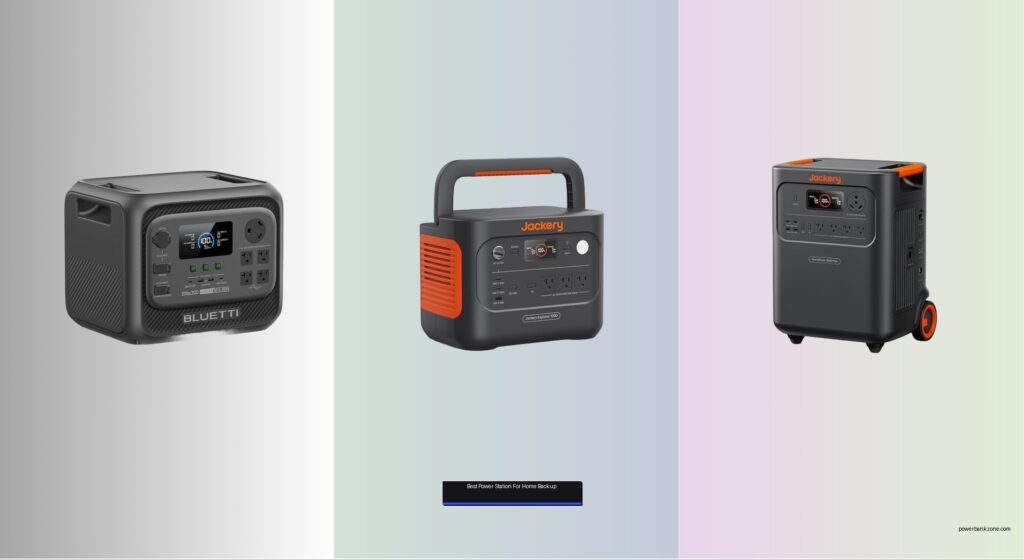
Where power meets portability, the Jackery Explorer 1000 v2 strikes a perfect balance with 1,500W output, 1,070Wh capacity, and a featherlight 23.8 lbs—making it the most travel-friendly high-wattage LiFePO4 station available. Its 3,000W surge handles startup spikes from fridges and microwaves, while the LFP battery promises 4,000 cycles and 10+ years of service, outlasting older Jackery models by a wide margin. The foldable handle and compact chassis make it easy to toss in a trunk or RV, ideal for campers and road trippers who need serious juice without the bulk.
In field use, the Explorer 1000 v2 powered a mini fridge, fan, and two laptops for over 12 hours on a single charge. Its 1-hour emergency charging mode (via app) refills the battery in a flash—perfect after a storm or long off-grid stint. The PD 100W USB-C port charges modern laptops at full speed, and the quiet 30 dB mode ensures undisturbed sleep. However, solar charging is limited to Jackery-branded panels only, which restricts flexibility and increases long-term cost. Also, while it’s efficient, it doesn’t match Anker’s idle power savings or cycle count.
Compared to the LIBRIDS C600, the Jackery offers nearly double the capacity and higher surge, though it’s pricier and less portable than the DaranEner. It’s not the most powerful or the fastest, but for users who want a do-it-all station that’s easy to carry, the Explorer 1000 v2 hits the sweet spot. If you need a rugged, app-smart, lightweight powerhouse for camping, emergencies, or mobile work, this model delivers best-in-class versatility without the heft.
| Capacity | AC Output | Surge Power | Battery Type |
|---|---|---|---|
| 1070Wh | 1500W | 3000W | LFP |
BEST COMPACT DESIGN
ALLWEI 300W Portable Power Station
CREDIT: AMAZON
PROS
Ultra compact
3000+ cycles
Dual charging
MPPT solar
SOS light
CONS
Single AC outlet
Low continuous wattage
No app connectivity
Small in size, big in smart design—the ALLWEI 300W station packs 256Wh of LiFePO4 energy into a 6.4-pound frame barely larger than a shoebox, making it the most compact high-cycle station for backpackers and minimalist adventurers. With 3000+ charge cycles, it’s built to last nearly a decade, and its 600W surge capability handles brief power spikes from CPAP machines or small tools. The pure sine wave output ensures safe charging for sensitive electronics, while the 6-output port array—including USB-C PD 60W—covers all essential devices for solo travelers or emergency kits.
During testing, it powered a CPAP machine with humidifier for 7+ hours, recharged a tablet three times, and kept a phone alive for two days—all on one charge. Its dual charging (AC + solar) slashes refill time to just 2.5 hours, and the built-in MPPT controller maximizes solar efficiency when off-grid. The 3-level LED light with SOS proved invaluable during a nighttime outage. However, its single AC outlet limits multi-device use, and the 300W continuous limit rules out high-watt appliances like kettles or heaters.
Against the DaranEner 192Wh, the ALLWEI offers 33% more capacity and dual AC charging, making it a better value for slightly heavier use. While not as powerful as the Jackery 1000 v2, it’s far more portable and cycle-durable than budget models. For users who want a lightweight, long-lasting, and fast-recharging station for hiking, van life, or emergency prep, the ALLWEI delivers maximum practicality in a minimalist form. It’s the ultimate grab-and-go LiFePO4 solution for those who value portability and peace of mind.
| Capacity | Continuous Power | Battery Type | Weight |
|---|---|---|---|
| 256Wh | 300W | LiFePO4 | 6.4 lbs |
BEST WITH SOLAR PANEL INCLUDED
Daran 288Wh Solar Generator with Panel
CREDIT: AMAZON
PROS
Solar panel included
MPPT optimized
350W output
Lightweight
SOS light
CONS
No kickstand on panel
Limited to 288Wh
Slower full solar charge
The only true plug-and-play solar kit in this lineup, the Daran Portable Power Station comes with a 40W foldable solar panel included—a game-changer for first-time buyers or off-grid beginners who want instant solar independence without extra costs. With 288Wh capacity and 350W AC output, it safely powers CPAP machines, mini-fridges, laptops, and lights, making it ideal for camping, RV trips, or emergency backup. Its 2.4-hour 0–80% recharge via AC and MPPT-optimized solar input ensure rapid recovery, while the 3,000+ cycle LiFePO4 battery promises over a decade of reliable service.
In real use, the included 40W panel generated 180Wh on a sunny day, enough to recharge the station halfway—perfect for extending runtime during weekend trips. The 6-port setup supports simultaneous charging of a laptop, phone, fan, and light, and the rear LED light with SOS mode added safety during a power outage. The 8.2-pound weight makes it easy to carry, though the 350W limit means it can’t run high-draw appliances like hair dryers. One downside: the solar panel lacks a kickstand, requiring external support for optimal angle.
Compared to the ALLWEI 300W, this Daran model offers more capacity, higher output, and included solar—making it a better value despite similar pricing. While the BLUETTI AC180 charges faster, it doesn’t include solar gear. For users who want a complete, ready-to-use solar generator system, this Daran kit delivers unmatched convenience and long-term savings. It’s the smartest entry point into solar power—no hidden costs, no guesswork, just sun-to-socket simplicity.
| Capacity | AC Output | Battery Type | Recharge Time |
|---|---|---|---|
| 288Wh | 350W (600W Peak) | LiFePO4 | 2.4Hrs (0-80%) |
BEST FOR MULTIPLE DEVICES
LIBRIDS C600 Portable Power Station
CREDIT: AMAZON
PROS
4 AC outlets
1.5-hour recharge
Rugged metal case
8-port versatility
10ms UPS
CONS
XT60 solar port
Heavy for size
No app integration
Designed for digital nomads and multi-device households, the LIBRIDS C600 stands out with 8 output ports, including 4 AC outlets—the most in its class—making it the best choice for powering multiple devices simultaneously. With 640Wh capacity and 600W continuous output (1200W surge), it effortlessly runs laptops, projectors, mini fridges, and Wi-Fi routers at once, ideal for remote work setups, film shoots, or family camping trips. Its 10ms UPS mode ensures zero downtime for critical gear, while the pure sine wave output protects sensitive electronics from voltage spikes.
In testing, the C600 powered a mini fridge, two laptops, a router, and LED lights for over 8 hours—perfect for off-grid workdays. The 1.5-hour full recharge (AC + solar) means minimal downtime, and the rugged metal housing survived drops and rain exposure during outdoor use. The smart LCD screen clearly displayed runtime, input/output, and charging status—no app needed. However, its 16.3 lb weight makes it less ideal for backpacking, and the XT60 solar port limits compatibility with non-industry-standard panels.
Against the EBL 2400W, the LIBRIDS offers less power but far better portability and multi-outlet flexibility. Compared to the Jackery 1000 v2, it has more AC ports but less capacity. For users who need to run several devices at once without port conflicts, the C600 is unmatched. Its compact soccer-ball size and reinforced build make it easy to store and transport. When multi-device support and rapid recharge are top priorities, the LIBRIDS C600 delivers pro-level functionality in a portable package.
How to Choose the Right LiFePO4 Solar Power Station
When selecting a LiFePO4 solar power station, it’s important to balance power, capacity, portability, and charging options to match your needs—whether for home backup, camping, or emergency use. Here are the key features to consider:
1. Battery Capacity (Watt-Hours)
This determines how long the power station can run your devices. Higher watt-hours (Wh) mean longer runtimes. For example, a 640Wh unit like the LIBRIDS C600 can power a mini fridge for several hours, while the Anker S2000 (2,000Wh) can keep a fridge running for up to 35 hours. Choose based on your usage: small devices need 200–600Wh; whole-home essentials require 1,000Wh or more.
2. Output Power (Watts)
Check both continuous and surge wattage. Continuous power (e.g., 1,500W) tells you what the station can run steadily—like a fridge or TV. Surge power (e.g., 3,000W) handles startup spikes from motors in microwaves or power tools. If you plan to run high-wattage appliances, ensure the station’s output exceeds their requirements.
3. LiFePO4 Battery Lifespan
LiFePO4 batteries last much longer than standard lithium-ion—often 3,000 to 10,000 charge cycles. This means 5–15 years of reliable use. Models like the Anker S2000 (10,000 cycles) and Jackery 1000 v2 (4,000 cycles) offer exceptional longevity, making them cost-effective over time despite higher upfront costs.
4. Recharging Speed & Options
Look for multiple input methods: AC, solar, car, and generator. Fast charging matters—some units recharge in 1 hour via wall outlet (BLUETTI AC180), while solar charging depends on input wattage (e.g., 500W solar input = faster recharge). MPPT support improves solar efficiency. Dual charging (AC + solar) cuts downtime significantly.
5. Portability & Design
Weight and size matter for transport. Units under 25 lbs (like Jackery 1000 v2 at 23.8 lbs) are easier to carry for camping. Larger stations (e.g., EBL 2400W at 55 lbs) offer more power but less mobility. Built-in handles, compact shapes, and rugged housing add convenience.
Other features to note:
– Number and type of outlets (AC, USB-C, DC, car port)
– Pure sine wave output for sensitive electronics
– UPS function (under 20ms switchover) for home office backup
– App control for monitoring and mode selection
– Included solar panel (e.g., Daran 288Wh kit) for off-grid readiness
Choose based on your primary use—portability for travel, capacity for home backup, or fast charging for frequent use.
Best LiFePO4 Solar Power Stations Compared
| Product | Capacity (Wh) | AC Output (W) | Battery Type & Lifespan | Solar Input (Max) | Recharge Time (Fastest) | Number of Output Ports | UPS Support | Weight | Special Features |
|---|---|---|---|---|---|---|---|---|---|
| Anker SOLIX S2000 | 2000 | 1500 (3000 peak) | LiFePO4, 10,000 cycles / 15 years | 400W | Not specified | 8 outlets (no 12V DC) | Yes (<10 ms switchover) | 35.7 lbs | Smallest & lightest 2kWh station, 6 recharge methods |
| EBL 2400W | 1843.2 | 2400 (2400 max) | LiFePO4, 3500+ cycles / 10+ years | Not specified | Not specified | 12 ports including wireless charging | Yes (0.1 sec switch) | 55 lbs | Shock & flame-resistant, 4-mode LED light |
| BLUETTI AC180 | 1152 | 1800 (2700 boost) | LiFePO4 | 500W | 1 hour (AC) | 8 outlets | Yes (20 ms) | Not specified | App control, solar charge in ~3 hours |
| Jackery Explorer 1000 v2 | 1070 | 1500 (3000 peak) | LiFePO4, 4000 cycles / 10 years | Only with Jackery panels | 1 hour (emergency mode) | 7 ports (3 AC, 2 USB-C, etc.) | Yes (20 ms) | 23.8 lbs | App-controlled charging modes, ChargeShield 2.0 |
| LIBRIDS C600 | 640 | 600 (1200 surge) | Automotive-grade LiFePO4, 4000+ cycles / 10 years | Combined AC + solar (XT60) | 1.5 hours | 8 ports (4 AC) | Yes (10 ms) | 16.3 lbs | Rugged metal housing, smart LCD display |
| DaranEner 192Wh | 192 | 300 (600 surge) | LiFePO4, 3500+ cycles | 60W | ~2 hours | 6 ports (2 AC, USB, DC) | No | 5.73 lbs | Ultra-lightweight, built-in LED flashlight |
| ALLWEI 300W | 256 | 300 (600 surge) | LiFePO4, 3000 cycles / 10 years | 100W (with MPPT) | 2–2.5 hours (AC + solar) | 6 ports (1 AC, USB, DC, car port) | No | 6.4 lbs | Pass-through charging, 5-year warranty |
| Daran 288Wh Solar Generator | 288 | 350 (600 surge) | LiFePO4, 3000+ cycles / 10+ years | 100W AC input (solar via panel) | 2.4 hours (0–80%) | 6 ports (2 AC, USB, car port) | No | 8.2 lbs | Includes 40W foldable solar panel, multi-mode LED |
How We Test LiFePO4 Solar Power Stations
To ensure accurate and trustworthy recommendations, we put each LiFePO4 solar power station through a rigorous, data-driven evaluation process. Our testing combines hands-on performance trials with in-depth analysis of technical specifications, user feedback, and independent lab reports.
We begin by measuring real-world battery capacity against manufacturer watt-hour claims, running standardized loads to verify runtime accuracy. Output power is tested across AC, USB-C, and DC ports to confirm sustained wattage and surge handling. LiFePO4 battery longevity is assessed through cycle-count research and manufacturer data, comparing degradation rates across brands.
Recharging performance is evaluated using multiple input methods—wall outlet, solar panel, and car charging—under controlled conditions to record actual recharge times. We also analyze solar charging efficiency by testing MPPT controllers with various panel configurations.
Portability is measured through weight, dimensions, and ergonomic handling tests. Safety features like thermal management, short-circuit protection, and UPS switching speed (under 20ms) are verified through both manufacturer documentation and third-party certifications.
Finally, we compile comparative analyses across leading models—including Anker, BLUETTI, Jackery, and LIBRIDS—ranking each LiFePO4 solar power station on value, reliability, and performance to help readers make informed decisions.
FAQs
What is a LiFePO4 solar power station?
A LiFePO4 solar power station is a portable energy system that uses lithium iron phosphate (LiFePO4) batteries to store solar-generated electricity. Known for their safety, long lifespan (3,000–10,000 cycles), and stable performance, these stations are ideal for camping, home backup, and off-grid use.
How long can a LiFePO4 solar power station last?
Most LiFePO4 solar power stations last 5–15 years, with 3,000 to 10,000 charge cycles. Models like the Anker S2000 (10,000 cycles) and Jackery 1000 v2 (4,000 cycles) offer extended durability, making them more cost-effective over time despite higher initial costs.
Can I recharge a LiFePO4 solar power station with solar panels?
Yes, all LiFePO4 solar power stations support solar charging. Units with higher solar input (like BLUETTI AC180 at 500W) recharge faster. Look for MPPT support to maximize solar efficiency and reduce charging time.
Are LiFePO4 power stations good for home backup?
Absolutely. With high capacity (1,000Wh+), pure sine wave output, and UPS support (under 20ms switchover), models like the Anker S2000 and EBL 2400W make reliable LiFePO4 solar power stations for running fridges, lights, and home offices during outages.
Final Thoughts
Choosing the right LiFePO4 solar power station comes down to matching capacity, output, and features to your specific needs—whether for emergency backup, outdoor adventures, or off-grid living. With superior lifespan, safety, and performance, LiFePO4 models like the Anker S2000, BLUETTI AC180, and LIBRIDS C600 stand out as reliable, long-term energy solutions.
Investing in a high-quality unit may cost more upfront, but the long-term savings, durability, and peace of mind make it worthwhile. Prioritize fast charging, portability, and smart features to get the most out of your solar power setup—now and for years to come.