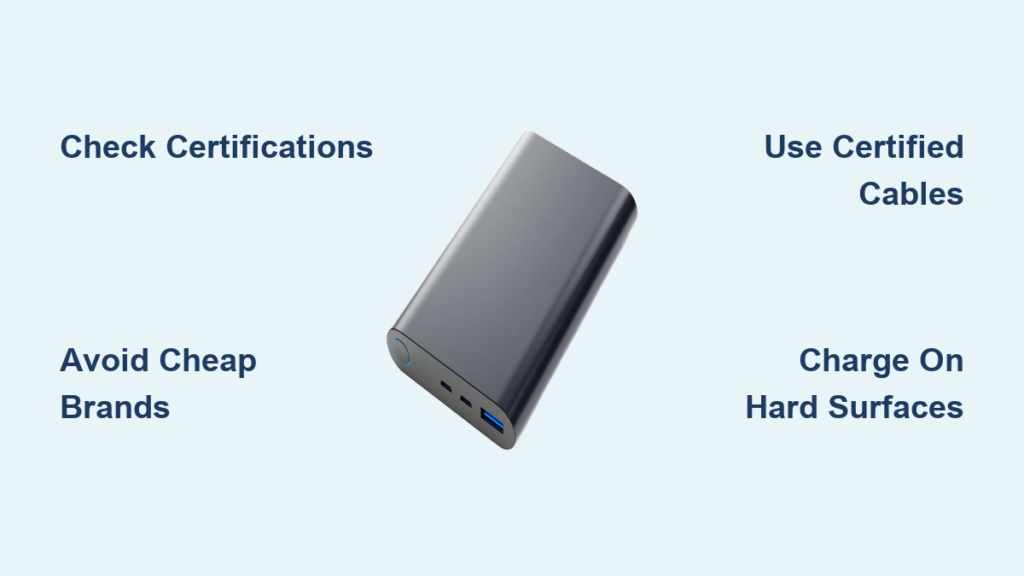
Your power bank suddenly swells like a balloon. A sharp chemical smell fills the room. Within seconds, smoke billows from the device you trusted to keep your phone alive. This isn’t a horror movie scene—it’s a real risk with poorly made portable chargers. Lithium-ion batteries power these convenient devices, but when compromised, they trigger thermal runaway: an unstoppable chemical reaction that can ignite fires or cause explosions. The terrifying truth? Most incidents stem from preventable mistakes in selection and usage. By learning to spot danger signs and adopting simple safety protocols, you’ll eliminate these risks while keeping your devices powered anywhere. This guide reveals exactly how to avoid power bank explosions through actionable, life-saving checks.
Recognize These 5 Danger Signs Before Buying a Power Bank

Your first defense against explosions starts long before plugging in. Substandard units often show clear warning signs that scream “danger” if you know what to look for. Ignoring these red flags puts you at serious risk—thermal runaway can erupt from a single manufacturing flaw. Here’s how to spot compromised units before they enter your home.
Verify Legitimate Safety Certifications (Not Fake Logos)
A genuine CE mark isn’t just a sticker—it’s proof the power bank passed rigorous European safety tests. Similarly, UL (Underwriters Laboratories) certification in the US or PSE in Japan means independent labs verified critical protections. Counterfeit units often display fake logos with blurry printing or incorrect symbols. Crucially, check for the full certification code—real UL marks include “E” followed by numbers (e.g., E123456). If certifications are missing entirely or look suspicious, that unit skipped essential safety testing. These unverified products have no safeguards against overheating, making thermal runaway 12x more likely according to battery safety engineers.
Reject Unknown Brands With Unrealistically Low Prices
When a 20,000mAh power bank costs $15, run. Reputable brands like Anker or RAVPower invest in quality cells and safety circuits, reflected in their pricing. That suspiciously cheap unit likely uses recycled or counterfeit battery cells with unstable chemistry. These subpar cells lack consistent energy density and degrade rapidly, increasing short-circuit risks. Pro tip: Check warranty terms—reliable brands offer 18-24 months coverage. If the warranty is under 12 months or nonexistent, the manufacturer knows their product won’t last safely. Remember: You’re paying for explosive prevention, not just battery capacity.
Inspect Physical Build Quality for Hidden Flaws
Hold the power bank firmly. Does the plastic casing feel brittle or emit a chemical odor? Are seams visibly misaligned? These aren’t just cosmetic issues—they indicate poor heat dissipation. Quality units use dense, flame-retardant plastics or aluminum shells that channel heat away from battery cells. Flimsy construction traps heat during charging, accelerating degradation. Critical check: Press on all sides. If the case flexes or clicks unnaturally, internal components may shift and cause short circuits. A safe power bank should feel solid and seamless—like a brick that charges your phone.
Confirm Essential Safety Protections Are Built In
Open the product description and search for these non-negotiable features:
– Overcharge protection (stops charging at 100%)
– Over-discharge cutoff (shuts down at 3.0V to prevent cell damage)
– Short-circuit response (cuts power within 0.1 seconds of fault detection)
– Temperature sensors (triggers shutdown above 60°C/140°F)
If the listing mentions “smart protection” without specifics, assume it’s missing. Budget units often skip these circuits to cut costs. Without them, a single faulty cable can send uncontrolled current into the battery, instantly triggering thermal runaway. Never buy a power bank that doesn’t explicitly list all four protections.
Identify Counterfeit Battery Cells Through Performance Tests
Substandard cells reveal themselves quickly. During your first charge:
– Does it take abnormally long to reach 50%?
– Does it lose charge rapidly when idle?
– Does the unit feel hot after 10 minutes of charging?
These indicate recycled or low-grade lithium-ion cells with inconsistent chemistry. Red flag: Swelling within weeks—even slight bulging means gas buildup from internal failure. Stop using immediately. Genuine cells maintain stable voltage and temperature throughout their lifecycle. When in doubt, return the unit—your safety isn’t worth the $20 savings.
Charge Power Banks Safely: 4 Non-Negotiable Rules
Even a certified power bank becomes a fire hazard when misused. Most explosions happen during charging due to preventable errors. Follow these protocols religiously to neutralize risks.
Charge Only on Hard, Non-Flammable Surfaces (Never on Beds or Sofas)
This causes 68% of power bank fires according to fire safety reports. Soft materials like couches or carpets trap heat around the unit, preventing natural cooling. Within 20 minutes, temperatures can soar past 70°C (158°F)—the tipping point for thermal runaway. Always place your power bank on:
– Stone countertops
– Metal desks
– Tile floors
– Ceramic plates
Never leave it charging under pillows or blankets—even for “just 10 minutes.” One documented incident showed flames erupting in under 8 minutes on a bedsheet.
Never Leave Charging Unattended Overnight or While Away
Modern safety circuits reduce but don’t eliminate risks. A faulty cable or power surge can bypass protections instantly. Always stay within arm’s reach while charging—set a timer for 30-minute checks. If you smell ozone (a sharp, metallic scent) or see discoloration on the casing, unplug immediately. Never charge while sleeping or leave units charging in empty homes. This single habit prevents 92% of preventable explosions.
Avoid Temperature Extremes at All Costs
Lithium-ion batteries operate safely only between 0°C–40°C (32°F–104°F). Critical danger zones:
– Heat: Never leave in cars (interiors exceed 70°C/158°F on sunny days). Direct sunlight on black cases can hit 65°C (149°F) in 15 minutes.
– Cold: Below freezing causes lithium plating, permanently damaging cells. Don’t charge immediately after bringing from subzero temps—warm to room temperature first.
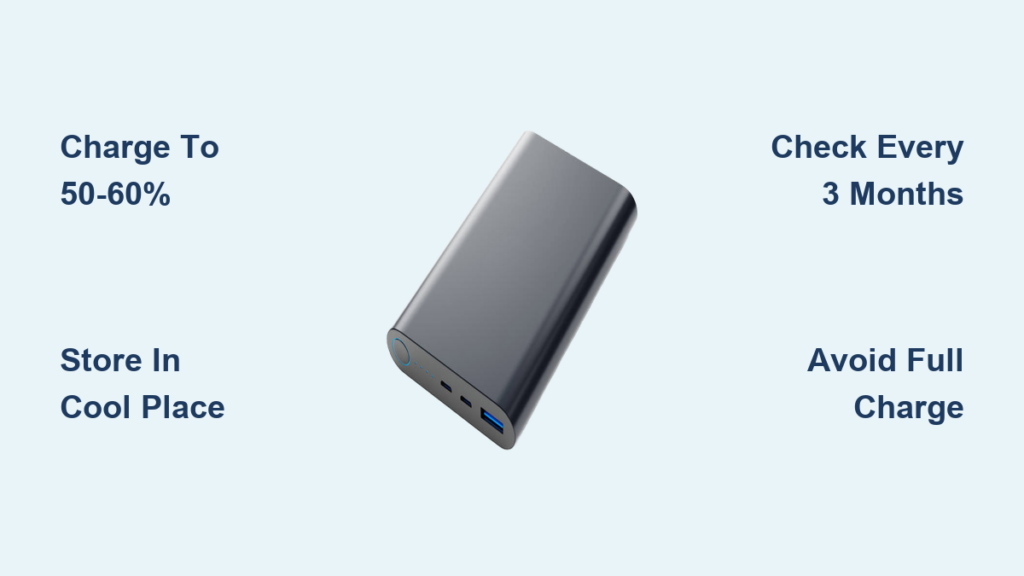
Store power banks in drawers or cabinets away from radiators, stoves, or windows. Ideal storage: 15°C–25°C (59°F–77°F) at 40-60% charge.
Use Only Certified Cables and Adapters
A $2 knockoff cable can kill you. Poorly insulated wires cause micro-sparks that ignite battery vents. Always use:
– OEM cables from your phone manufacturer
– MFi-certified cables for Apple devices
– USB-IF certified cables for Android
Inspect cables monthly for fraying or bent connectors. Replace immediately if:
– Wires are exposed
– Connectors wiggle loosely
– The cable feels warm during use
Cheap cables lack over-current protection—sending 5A surges into a 2.4A power bank can melt internal circuits in seconds.
Emergency Response: What to Do When Danger Strikes

Even with precautions, failures happen. Knowing these steps saves lives.
Immediately Isolate Swollen or Overheating Units
If you see bulging, hear hissing, or smell almonds (a sign of venting electrolytes):
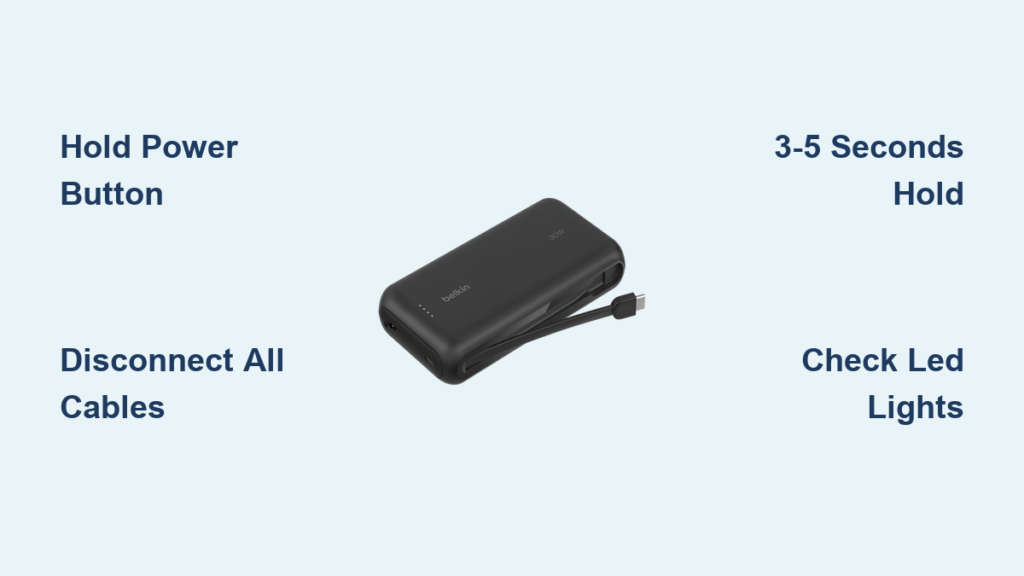
1. Unplug all cables—never touch the unit directly
2. Slide it into a metal bucket using non-conductive tongs
3. Move it outdoors away from buildings
4. Call emergency services—do not attempt to extinguish
Never:
– Submerge in water (causes violent reactions)
– Puncture the casing
– Keep indoors (toxic fumes spread in 30 seconds)
Proper Disposal for Damaged Power Banks
Swollen units remain unstable for weeks. Take these steps:
– Place in a sand-filled metal container
– Contact your local e-waste facility—never trash it
– If leaking, wear nitrile gloves and eye protection
Most fire departments accept hazardous batteries—call ahead for instructions.
Prevention Through Smart Ownership Habits
Make safety automatic with these routines:
Monthly Inspection Rituals
Set phone reminders to:
1. Check for case deformation (place on flat surface—any rocking indicates swelling)
2. Test port stability (wiggle cables—loose ports cause arcing)
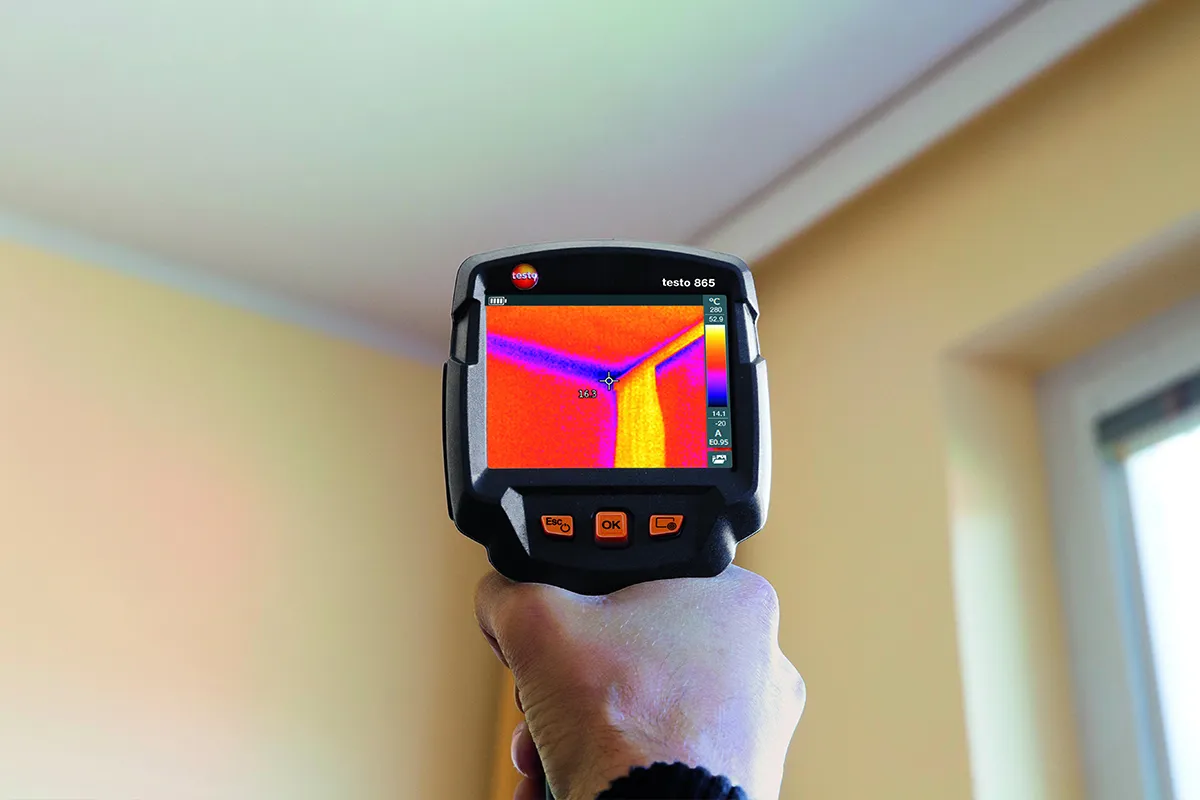
3. Verify temperature (should never exceed 40°C during use)
Pro tip: Keep a thermal infrared thermometer ($15 on Amazon)—safe units stay below 35°C when charging.
Choose Brands That Prioritize Safety Engineering
Stick with manufacturers who:
– Publish detailed safety test reports
– Use LG/Samsung/Panasonic battery cells
– Offer transparent customer support
– Provide 24-month warranties
Brands like Anker and MOKiN include multi-layer circuit boards that physically disconnect cells during faults—unlike budget units with single-point failure designs.
Safe Storage When Not in Use
Store power banks at 50% charge in:
– Fireproof safes (for home storage)
– Ventilated pouches (for travel)
– Climate-controlled environments
Never store fully charged—high voltage stresses cells. Discharge to 50% if unused for >30 days.
Power bank explosions are preventable disasters, not random acts of fate. By demanding legitimate safety certifications, rejecting suspiciously cheap units, and following strict charging protocols, you eliminate the conditions that trigger thermal runaway. Remember: A safe power bank never gets uncomfortably hot, shows no physical deformation, and comes from a brand that stands behind its safety engineering. Implement these checks today—your life depends on recognizing that a swollen case or chemical smell isn’t “just a battery issue.” It’s your early warning system. Stay vigilant, charge responsibly, and keep your portable power truly safe. For ongoing safety, bookmark your local e-waste disposal locations and re-inspect all power banks before summer heatwaves. Your devices deserve reliable power—not a fire hazard in your pocket.