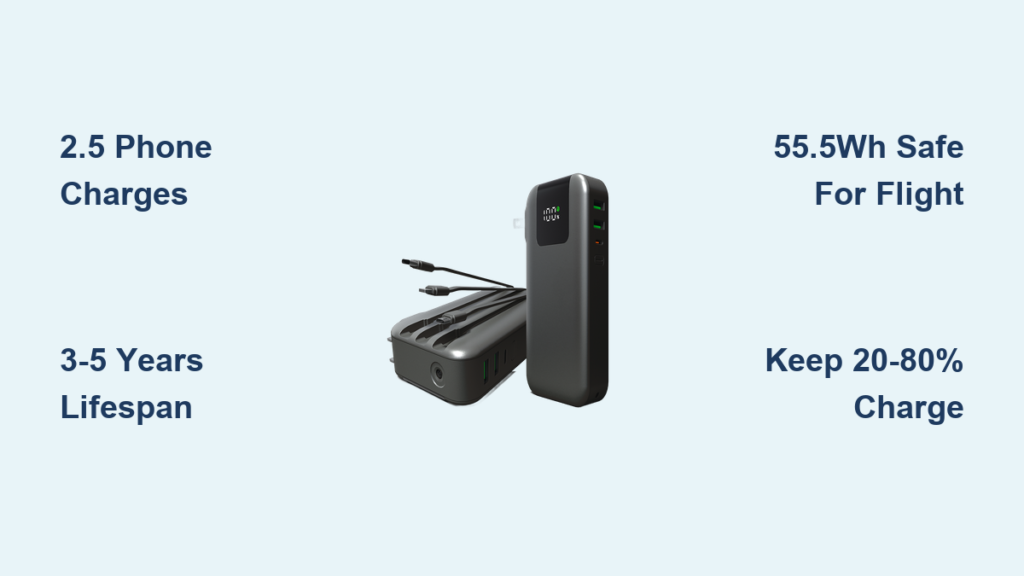
If you’re trying to figure out how long will a 15000mah power bank last, you’re not just looking at a number on a label—you’re asking whether it can keep your devices alive during a long day of travel, a weekend camping trip, or a workweek on the go. The answer isn’t just in the mAh rating. Real-world performance depends on voltage conversion, device usage, and how well you maintain your power bank.
A 15,000mAh power bank is one of the most popular high-capacity choices for people who need reliable backup power. But here’s the truth: you won’t get all 15,000mAh. Due to energy loss from voltage conversion, heat, and cable resistance, only about 65–70% is actually usable. That means you’re working with roughly 10,500mAh of effective output. For a typical smartphone with a 4,000mAh battery, this translates to 2.5 full charges—enough to last most users one to two full days. And with proper care, the power bank itself can last 3 to 5 years. In this guide, we’ll break down exactly how many charges you can expect, how long it will power your devices, and how to make it last as long as possible.
Real-World Charging Capacity: How Many Full Charges?
The 15,000mAh figure is based on the internal battery voltage (3.7V), but USB devices charge at 5V. This mismatch means energy is lost when the power bank boosts the voltage—a process known as voltage conversion loss. On top of that, heat, cable resistance, and device usage during charging further reduce efficiency.
Voltage Conversion and Efficiency Loss
- Internal battery voltage: 3.7V (standard for lithium-ion cells)
- USB output voltage: 5V
- Energy loss from step-up conversion: 15–30%
- Real-world efficiency: 65–70% is typical
This means:
15,000mAh × 0.7 = ~10,500mAh of usable power
This is the number that actually matters when charging your phone or tablet.
Estimated Full Charges by Device

Here’s how far 10,500mAh goes with common devices:
| Device | Battery Size | Full Charges from 15000mAh |
|---|---|---|
| iPhone 16 | ~3,561mAh | 2.8–3.0 times |
| Galaxy S24 | ~4,000mAh | 2.5–2.6 times |
| Galaxy S24 Ultra | ~5,000mAh | 2.0–2.1 times |
| iPad Air | ~7,600mAh | ~1.3 times |
| Apple Watch | ~327mAh | ~32 charges |
| AirPods Pro | ~523mAh | ~20 charges |
✅ Note: These estimates assume wired charging, device not in use, and high-quality cables.
Charging While Using Your Phone?
If you’re streaming video, using GPS, or on a call while charging, your phone consumes power faster than it charges. This “leaky bucket” effect can reduce effective charging speed by up to 30%. So even if your power bank can deliver 2.5 charges, in real life you might only get 1.5 to 2 full top-ups depending on usage.
Continuous Runtime: How Long Can It Power a Device?
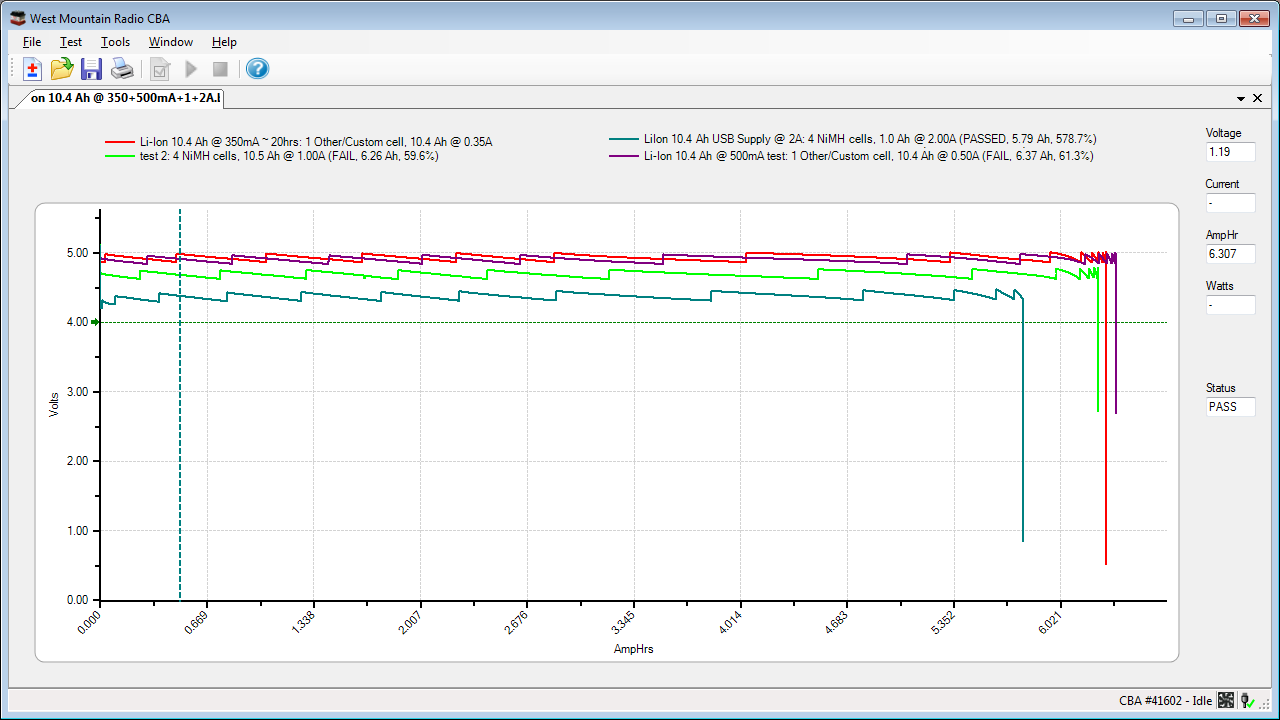
If you used your power bank to continuously charge a single device, here’s how long it would last:
Runtime at Different Output Levels
| Output | Example Use | Estimated Runtime |
|---|---|---|
| 1A (5W) | Low-power charging | ~5.25 hours |
| 2A (10W) | Fast-charging phone | ~2.6 hours |
| 3A (15W) | Tablet or high-drain device | ~1.75 hours |
🔍 Formula:
Usable mAh = 15,000 × 0.7 = 10,500mAh
Runtime (hrs) = Usable mAh / Output (mA)
Example: 10,500mAh ÷ 2,000mA = 2.6 hours at 2A
Higher current means faster drain. Fast charging is convenient, but it generates more heat and reduces overall efficiency.
Is 15000mAh Enough for a Full Day?
For most users, a 15,000mAh power bank is more than sufficient—but it depends on your habits.
Business Traveler: All-Day Coverage
- Use case: Emails, Zoom calls, hotspot, GPS
- Phone drain: ~80% in 8 hours
- Charging needed: 1–2 partial recharges
- Verdict: ✅ Yes, sufficient—easily handles 2–3 partial charges
Tourist & Content Creator: Pushing Limits
- Use case: 4K video, social media, maps, bright screen
- Phone drain: ~100% in 5–6 hours
- Charging needed: 2–3 full recharges
- Verdict: ⚠️ Borderline—may need a second charge or upgrade to 20,000mAh
Outdoor Adventurer: Off-Grid Reliability
- Use case: GPS tracking, photos, emergency calls, smartwatch charging
- Duration: 24–48 hours
- Devices: Phone, watch, earbuds
- Verdict: ✅ Excellent fit—supports multiple devices for 1–2 days
A 15,000mAh power bank strikes the perfect balance between power and portability for most users.
Long-Term Lifespan: How Many Years Will It Last?
Your power bank won’t last forever, but with care, it can serve you for 3 to 5 years.
Charge Cycle Life Explained
- Most use lithium-ion or lithium-polymer cells
- Rated for 300–1,000 full cycles before capacity drops to 60–80%
- High-end brands (Anker, UGREEN, Belkin) often exceed 800 cycles
| Cycles | Capacity Left | Expected Lifespan |
|---|---|---|
| 300 | ~80% | 1.5–2 years (daily use) |
| 500 | ~70–75% | 2–3 years |
| 1,000 | ~60–65% | 4–5 years (occasional use) |
Because 15,000mAh banks hold more energy, they’re often partially discharged, meaning fewer full cycles and longer functional life.
Key Factors That Reduce Lifespan
Charging Habits
- ❌ Draining to 0% stresses the battery
- ❌ Leaving it at 100% for days accelerates wear
- ✅ Ideal range: 20–80% for daily use
Heat Exposure
- 🔥 High temps (above 35°C) degrade batteries fast
- Never leave in a hot car or direct sunlight
- Fast charging and pass-through use generate heat
Storage Conditions
- ❌ Never store at 0% or 100% for months
- ✅ Store at 50–70% charge in a cool, dry place (15–25°C)
- 🔁 Recharge every 2–3 months if unused
Build Quality Matters
- Premium models use A-grade cells and Battery Management Systems (BMS)
- Look for certifications: CE, FCC, RoHS, UL, UN38.3
- Avoid no-name brands with fake capacity claims
Self-Discharge: How Long Does It Hold Charge?
All power banks lose charge over time—even when not used.
- Rate: 2–10% per month
- High-end models: ~5% per month
- After 6 months, only 70–80% may remain
🛑 A power bank left at 0% for months can enter sleep mode or become unchargeable.
Best practice: Recharge every 90 days if in storage.
Warning Signs It’s Failing
Even good power banks degrade. Watch for these red flags:
| Symptom | Cause | Action |
|---|---|---|
| Reduced capacity | Battery wear | Replace if can’t charge phone once |
| Overheating | Internal damage | Stop using—fire risk |
| Swelling case | Gas buildup | Do not use—recycle safely |
| Random shutdowns | Failing circuit | Replace immediately |
| Slow charging | Degraded cells | Test with good cable; replace if faulty |
Any of these signs mean your power bank is no longer safe.
How to Extend Its Life
1. Avoid Full Discharge and Overcharging
Keep charge between 20% and 80%.
2. Store Properly
Charge to 50–70%, store in a cool, dry place, and recharge every 3 months.
3. Use Quality Cables
Use MFi-certified or USB-IF certified cables to reduce resistance.
4. Minimize Pass-Through Charging
Charging while using it generates excess heat—can cut lifespan by 30%.
5. Choose Models with BMS Protection
Look for overcharge, short-circuit, and overheating protection.
6. Update Firmware (If Available)
Some high-end models support updates for better performance.
Why 15000mAh ≠ 15000mAh
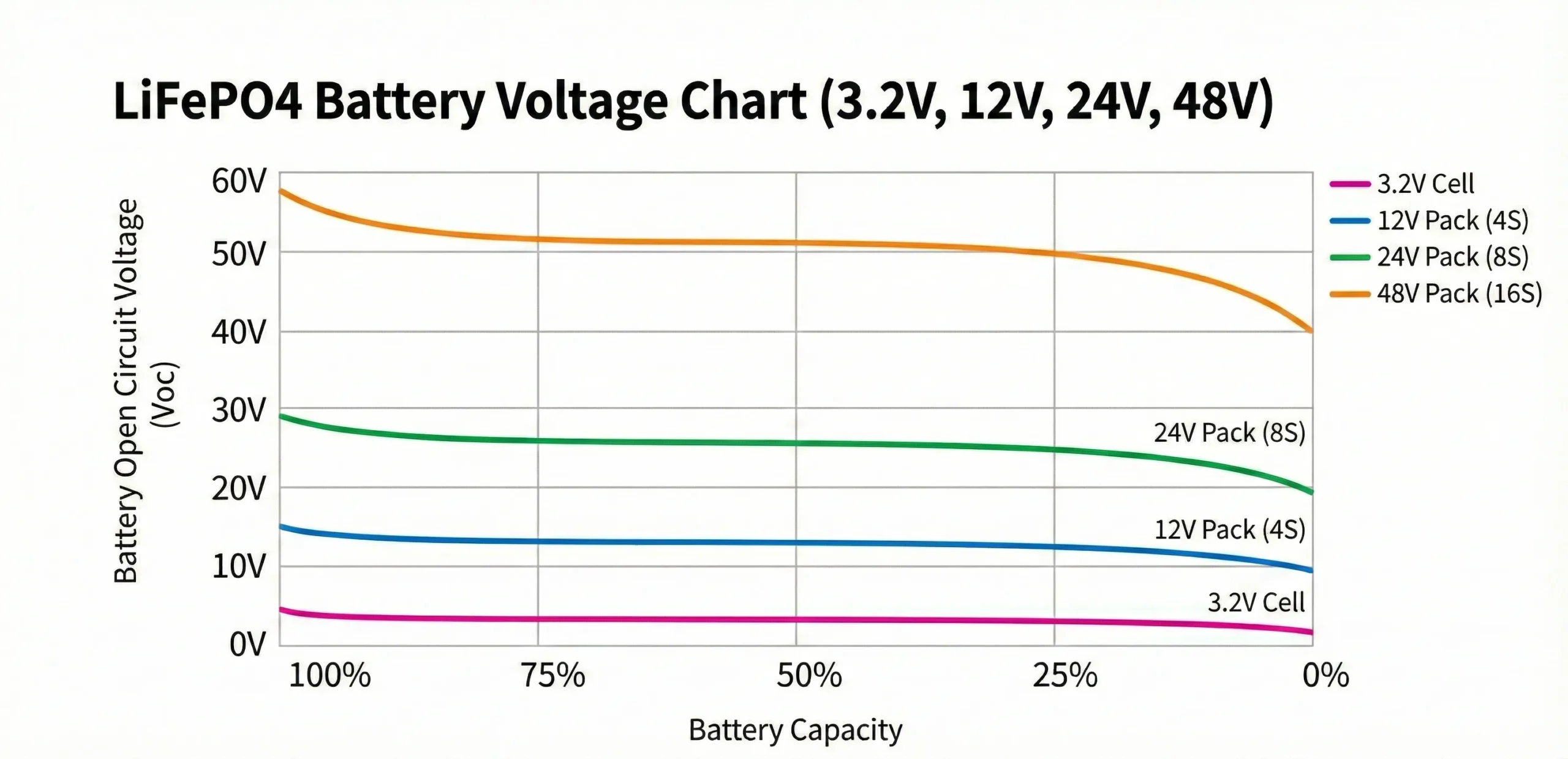
Manufacturers advertise nominal capacity at 3.7V, but real output is lower.
Where the Power Goes
| Loss Factor | Impact |
|---|---|
| Voltage conversion (3.7V → 5V) | -15% to -20% |
| Heat from fast charging | -5% to -10% |
| Cable resistance | -3% to -8% |
| Device use during charge | -10% to -30% |
| Aging after 500 cycles | -20% to -40% |
📉 Total usable output: 60–70% of labeled capacity
So 15,000mAh = ~9,000–10,500mAh in practice
Air Travel: Can You Bring It On a Plane?
Yes—a 15000mAh power bank is allowed on planes.
Airline Rules (FAA & IATA)
- Based on Watt-hours (Wh)
- Formula: Wh = (mAh × Voltage) / 1000
- For 15,000mAh at 3.7V: (15,000 × 3.7) / 1000 = 55.5Wh
Carry-On Limits
- Under 100Wh: ✅ Allowed without approval
- 100–160Wh: Requires airline permission
- Over 160Wh: Not allowed
✈️ Verdict: 55.5Wh is well under the limit—carry it on, never in checked luggage.
Final Answer: How Long Will It Last?
Per Charge:
- Recharges a 4,000mAh phone 2.5–2.6 times
- Powers most users for 1–2 days
- Delivers ~10,500mAh of usable energy
Long-Term:
- Lasts 3–5 years with care
- Survives 500–1,000 charge cycles
- Degrades slower than smaller banks
Pro Tips:
- Keep charge between 20% and 80%
- Store at 50% in a cool place
- Recharge every 3 months if unused
- Avoid heat, cheap cables, and pass-through charging
- Choose certified brands with BMS protection
A 15,000mAh power bank is a smart, long-term investment. With realistic expectations and proper care, it delivers years of reliable power—perfect for travelers, professionals, and adventurers.