If you’re wondering how long a power station battery lasts, the answer depends on two key factors: how long it runs per charge and how many years it lasts before degrading. Whether you’re using a portable unit for camping or a home backup system during outages, understanding runtime and lifespan is essential to getting the most value from your investment.
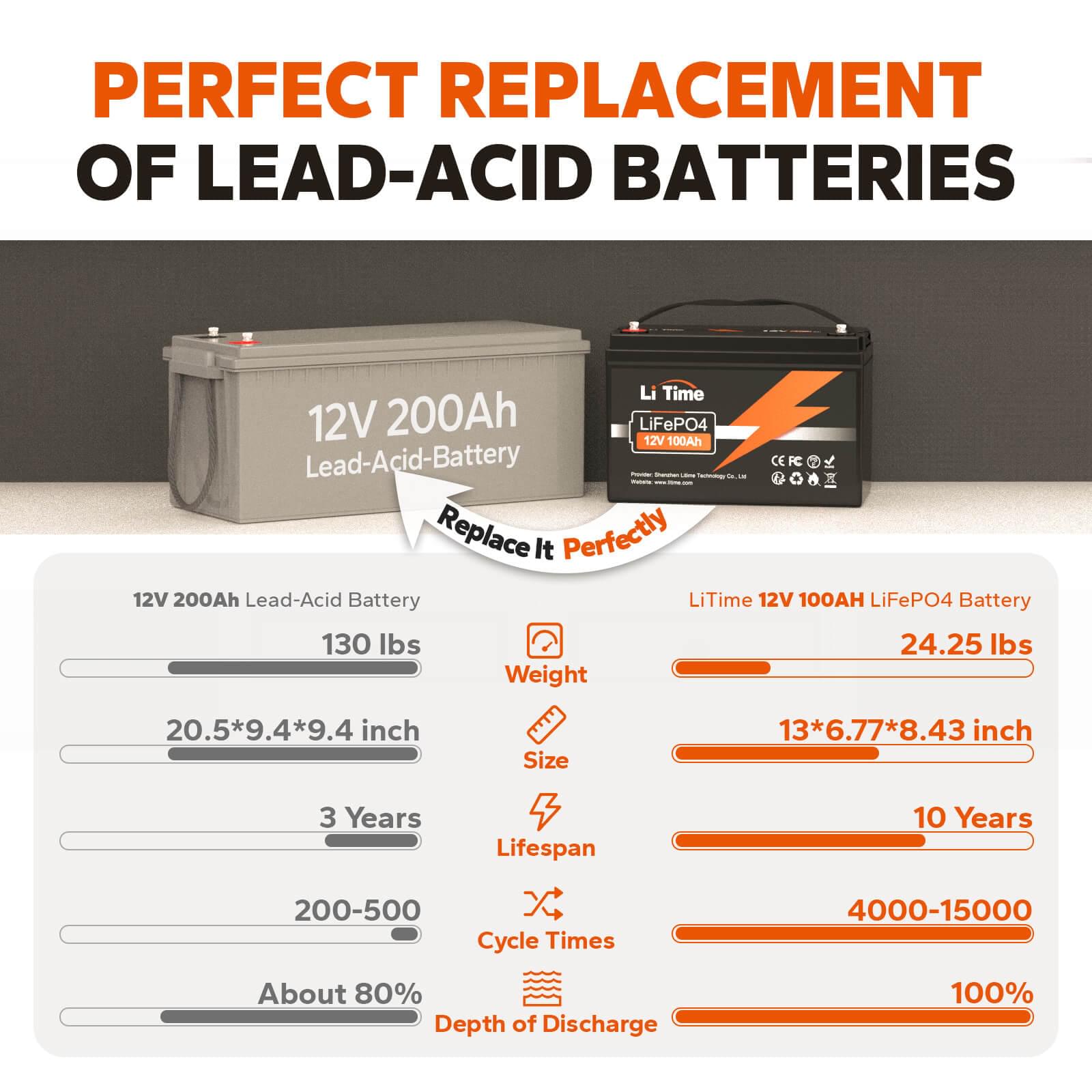
A typical power station can run small devices for hours to days on a single charge, while its total usable life spans 3 to 15 years, depending on battery chemistry, usage habits, and maintenance. High-end models with LiFePO₄ batteries can last over a decade and survive 3,500+ charge cycles, whereas standard lithium-ion units usually max out at 500 to 1,000 cycles and 3 to 5 years.
Runtime vs. Lifespan: Know the Difference
What “Lasts” Really Means
When asking how long a power station battery lasts, most people mean one of two things. Runtime refers to how many hours it powers your devices on a single charge. Lifespan refers to how many years or cycles it remains functional before capacity drops below 80%. Each depends on different factors.
Runtime is determined by watt-hours, device draw, and efficiency. Lifespan hinges on battery type, temperature, depth of discharge, and storage. Mixing these up leads to poor expectations. A 1,000Wh unit might power a fridge for two days, but if it uses Li-ion, it may only last 3 to 5 years. Choose wisely based on your use case.
Battery Chemistry: Li-ion vs. LiFePO₄
Lithium-Ion: Lightweight but Shorter Life
Lithium-ion power stations offer 500 to 1,000 cycles to 80% capacity, with a lifespan of 3 to 5 years. They are best for occasional use like camping and travel. Li-ion units like the Jackery Explorer and DJI Power 1000 are popular for their portability and fast charging, but they degrade faster under daily use and extreme temperatures.
Deep discharges and high heat accelerate wear. Avoid letting Li-ion units drop below 20% regularly.
LiFePO₄: Built to Last
LiFePO₄ batteries deliver 2,000 to 6,000+ cycles with a lifespan of 7 to 15 years. They are best for daily use, home backup, and off-grid living. LiFePO₄ units like the EcoFlow Delta Pro and Aferiy P310 retain 80% capacity after 3,500+ cycles, making them ideal for long-term reliability.
Many LiFePO₄ units come with 7 to 10 year warranties, signaling manufacturer confidence in their durability.
Estimate Runtime: Use This Formula

How Long Will It Run My Devices
Calculate usable runtime with this simple formula. Multiply battery capacity in Wh by 0.85, then divide by device wattage. The 0.85 multiplier accounts for inverter efficiency loss of 10 to 15%. For DC devices like USB and 12V, skip the multiplier since efficiency is near 100%.
Example: A 1,000Wh station running a 100W TV gives (1,000 × 0.85) ÷ 100 = 8.5 hours. Real-world results vary due to idle draw, temperature, and device cycling.
Why Real Runtime Is Lower Than Rated
Even a 1,000Wh station delivers only 620 to 680Wh of usable energy in practice. Internal losses include inverter inefficiency at 10 to 15%, idle power draw from fans and displays, and voltage conversion losses.
Testing found the DJI Power 1000 powered a kitchen fridge for 7h 52m using 683Wh, which is just 68% of rated capacity. Always assume 20 to 30% less usable energy than advertised.
Real-World Device Runtime Examples
How Long Can I Run Common Appliances
Here is how long a 1,000Wh Li-ion station lasts with typical devices.
Mini fridges run 23+ hours at 60W average, using roughly 1,000Wh. CPAP machines run 13 hours at 50W, using about 650Wh. Laptops run about 1.9 hours per charge at 60W, using 60Wh. LED lights run for days at 5W, using negligible energy. Microwaves at 700W rating run about 1.5 minutes at 1,500W peak, using 27Wh. Vacuum cleaners at 768W run 2 minutes, using 25Wh.
Low-wattage cycling loads like fridges and routers last much longer than high-draw appliances like microwaves and heaters.
Maximize Runtime: 6 Proven Tips
Get More Hours From Each Charge
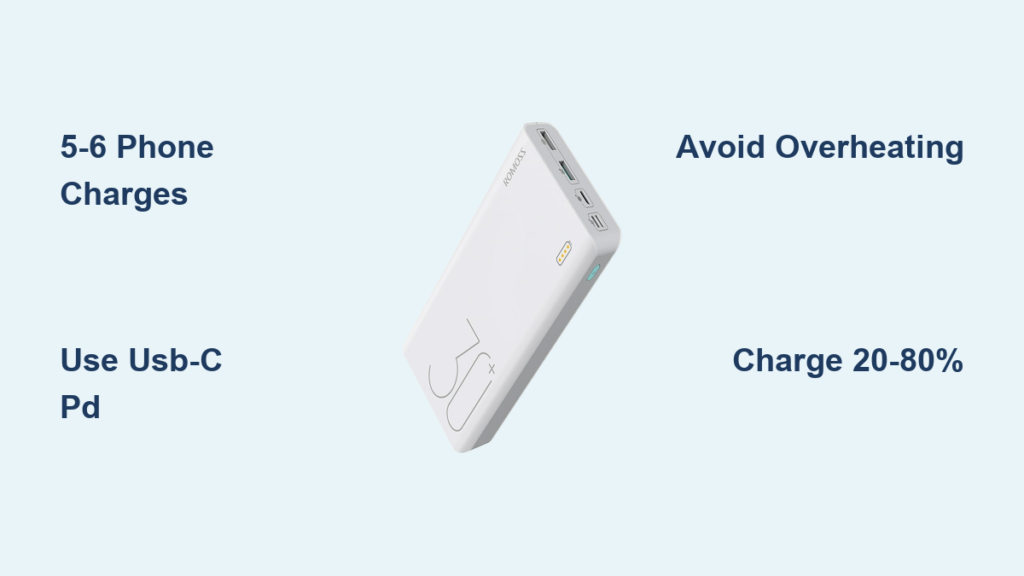
Use DC outputs. Bypass the inverter and power CPAPs, lights, and laptops via 12V or USB-C PD ports to save 10 to 15% energy.
Prioritize essential devices. Shut off non-critical loads. A single LED bulb uses 5W versus a 60W incandescent.
Avoid simultaneous high-wattage devices. Running a blender and coffee maker together drains a 1,000Wh unit in under 30 minutes.
Switch to energy-efficient alternatives. Replace mini fridges with insulated coolers and use battery-powered fans instead of AC models.
Charge devices offline. Fully charge phones, tablets, and power banks before the outage rather than keeping them plugged in.
Enable Eco Mode. Some units like EcoFlow and Bluetti reduce idle draw by turning off displays and fans when not in use.
Charging Methods and Recharge Times
How Fast Can It Recharge
Recharge speed affects how often you can reuse the station. Faster charging means less downtime.
Using the DJI Power 1000 as an example, AC wall outlet at 600W takes 2h 8m. High-power AC at 1,200W takes 1h 12m. Solar at 600W panels takes about 6 hours. Car charger at 1,000W hardwired takes 78 minutes.
Real-world solar charging takes longer since clouds, angle, and shading reduce output.
Solar: Enable Infinite Runtime
Power It Forever With Sunlight
Pairing with solar panels turns a finite battery into a sustainable energy system. A 200W solar panel generates 600 to 1,000Wh per day in ideal sun. Match panel wattage to your station’s max input, like EcoFlow Delta 3 which supports 1,600W.
Example: 600W of DJI solar panels can fully recharge a 1,000Wh station in 6 hours. With adequate solar, a 4,096Wh Delta 3 Pro can run indefinitely during sunny days.
Temperature: Cold and Heat Effects
How Climate Impacts Performance
Lithium batteries are sensitive to temperature. Below 32°F, capacity drops 20 to 30% and the unit may shut down. Warm before use and avoid outdoor storage. Above 86°F, aging accelerates and throttling triggers. Keep shaded and ventilated. The ideal range is 32 to 86°F for storage and operation.
A power station used in freezing temps may deliver half the expected runtime.
Usage Habits That Extend Lifespan
Don’t Kill Your Battery Faster
How you charge and discharge matters. Deep discharges below 20% stress Li-ion cells. Partial cycles between 20 and 80% extend life. Storing at 0% or 100% degrades batteries over time. Store at 50% charge in a cool, dry place.
Recharge when the battery hits 20 to 30%. Avoid letting it sit empty for days.
When to Replace or Upgrade
Signs Your Battery Is Failing
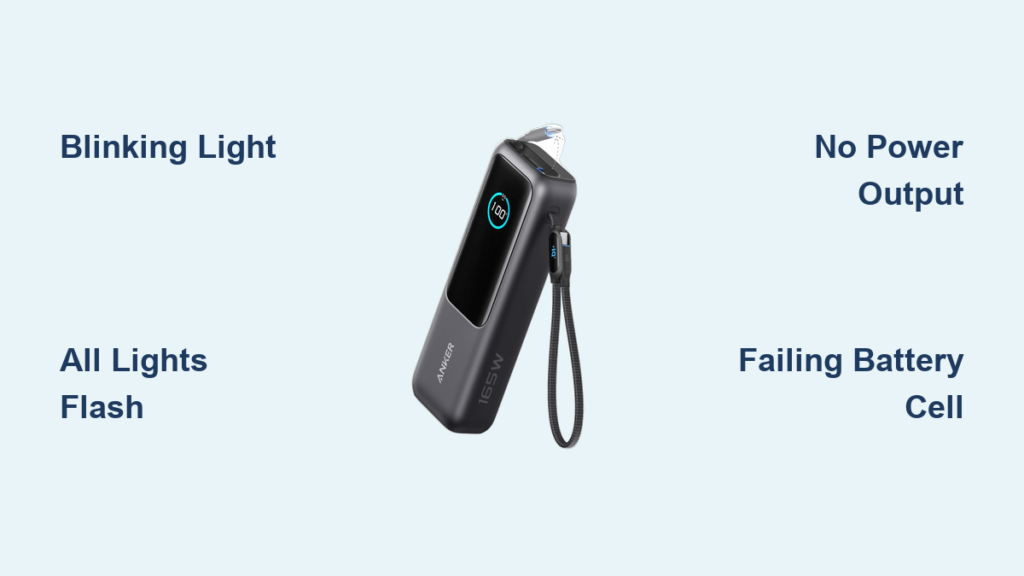
Replace your power station if runtime drops below 50% of original, takes much longer to charge, won’t hold charge overnight, or shows error codes, swelling, or overheating.
Upgrade to LiFePO₄ for 2 to 3x longer lifespan.
Choose the Right Model for Your Needs
Recommended Power Stations by Use Case
For phone and laptop charging, 100 to 300Wh units like Anker 521 and Jackery 300 work well. For weekend camping, 500 to 1,000Wh units like EcoFlow River 2 and Bluetti AC180 are recommended. For emergency backup, 1,000 to 2,000Wh units like EcoFlow Delta 2 and Bluetti AC200P are ideal. For off-grid living, 2,000Wh+ units like EcoFlow Delta 3 Pro and EG4 LiFePO₄ are best. For CPAP use, 500 to 1,000Wh units like Anker PowerHouse 768 and Jackery 1000 are suitable.
Calculate Device Charge Cycles
How Many Times Can I Charge My Phone
Use this formula. Usable energy divided by device battery size equals full charges. For a 1,000Wh station with 850Wh usable after losses, an iPhone 14 Pro Max gets about 56 full charges. An iPad Pro gets about 21 full charges. A MacBook gets about 14 full charges. AirPods Pro get about 170 full charges.
Background apps and screen time reduce actual charges.
Real-World Scenarios: How Long Will It Last
Camping Trip (500Wh Station)
With devices including LED lights, phone, laptop, and mini fridge at 125W total load, adjusted runtime is about 3.4 hours. Replace the fridge with a cooler to jump runtime to 5.7 hours.
Power Outage (1,000Wh Station)
Running CPAP, lights, router, and phone at 85W total gives about 10 hours after efficiency loss, supporting 1 to 2 nights of medical use.
Off-Grid Home (4,096Wh Delta 3 Pro)
With daily draw at 2,000Wh and solar input at 300 to 800Wh per day, indefinite operation is possible in sunny climates. Without solar, it lasts about 2 days.
High-Demand Use: Heated Blankets
Three blankets at 80W for 8 hours nightly equals 1,920Wh per night, or 13,440Wh weekly. No single unit can handle this. Use propane heaters or heated sleeping mats instead.
Maintenance: Keep Your Battery Healthy
7 Tips to Maximize Lifespan
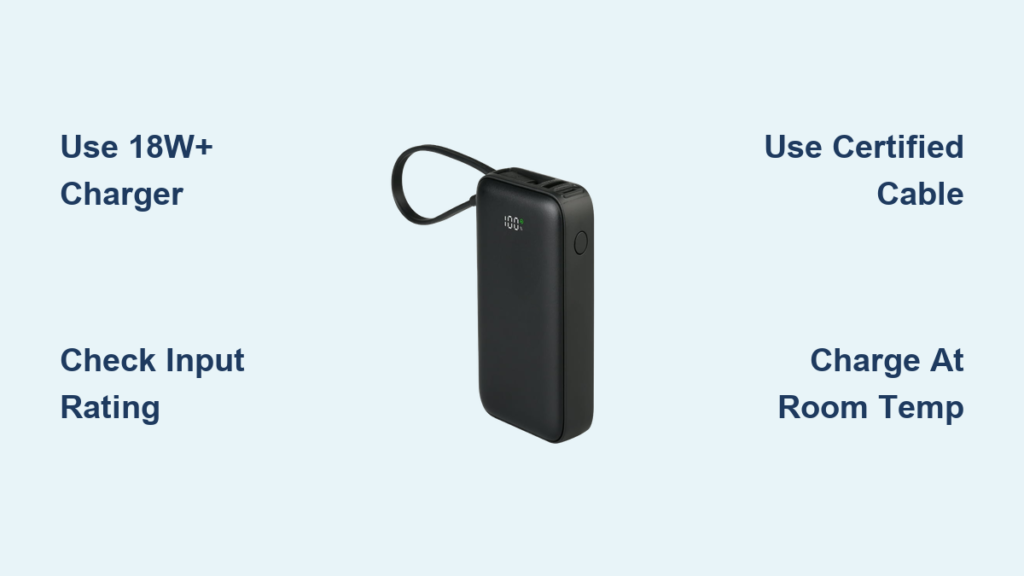
Avoid storing at 0% or 100% charge. Store at 50% charge in a cool, dry place between 15 and 25°C. Recharge every 3 to 6 months if unused. Use OEM chargers and cables. Do not overload outputs. Enable low-power modes. Monitor via apps like DJI Home or EcoFlow.
The DJI Home App sends alerts at 8% battery, helping prevent deep discharge.
Key Takeaways

Runtime depends on device wattage, capacity, and efficiency. Use the (Wh × 0.85) ÷ W formula for estimates. Lifespan is determined by battery type, with LiFePO₄ lasting 2 to 3 times longer than Li-ion. Solar pairing enables indefinite runtime in sunny conditions. DC outputs save 10 to 15% energy. Store at 50% charge and avoid extreme temperatures. Upgrade to LiFePO₄ if you use your station daily or for home backup.
With the right model and care, your power station can deliver years of reliable, clean energy whether you are off-grid, preparing for emergencies, or need backup power when the grid fails.
Frequently Asked Questions About Power Station Battery Lifespan
How Many Years Does a Power Station Battery Last
A lithium-ion power station typically lasts 3 to 5 years with regular use, delivering 500 to 1,000 charge cycles before capacity drops to 80%. LiFePO₄ models last significantly longer, providing 7 to 15 years of service through 2,000 to 6,000+ cycles.
What Shortens Power Station Battery Life the Most
Deep discharges below 20%, extreme temperatures, and storing the unit at full or empty charge for extended periods accelerate battery degradation the most. High heat particularly speeds up chemical breakdown in lithium cells.
Can I Leave My Power Station Plugged In All the Time
Keeping a power station plugged in continuously is not recommended since it keeps the battery at 100%, which stresses the cells over time. Most modern units have built-in protection, but unplugging after full charge and recharging when hitting 20% extends overall lifespan.
How Often Should I Recharge an Unused Power Station
Recharge the battery to approximately 50% every 3 to 6 months if the power station sits unused. This prevents the cells from draining completely while avoiding the stress of full charge storage.
Does Solar Charging Extend Battery Lifespan
Solar charging does not directly extend battery lifespan, but it enables partial charging cycles rather than full discharges, which actually benefits long-term battery health. Using solar also reduces total charging cycles from grid electricity.
Is LiFePO₄ Worth the Higher Cost for Home Backup
For home backup or daily use, LiFePO₄ is definitely worth the higher initial investment. The 7 to 15-year lifespan versus 3 to 5 years, combined with 3,500+ cycle capability, delivers far better value over time, and most manufacturers back these units with 7 to 10-year warranties.