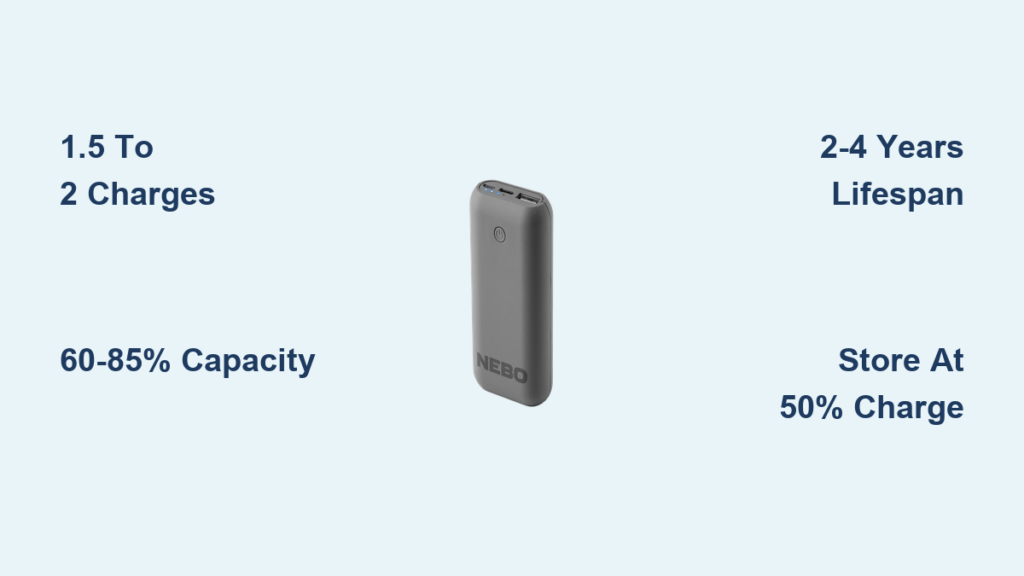
If you’re relying on an 8000mAh power bank to keep your phone alive during travel, work, or emergencies, one question matters most: how long will it actually last? Despite the bold number on the label, real-world performance rarely matches the advertised capacity. The truth is, an 8000mAh power bank won’t fully charge your phone twice—and understanding why can save you from being stranded with a dead device.
In this guide, you’ll learn exactly how many charges to expect, how long it lasts per use, and what factors secretly drain its power. You’ll also discover how long the power bank itself will remain reliable—often 2 to 4 years—and how to extend its life. Whether you’re comparing models or troubleshooting poor performance, this breakdown reveals everything that affects how long an 8000mAh power bank lasts in real life.
Real-World Usable Capacity
Why 8000mAh Isn’t 8000mAh
The 8000mAh rating refers to the internal battery capacity at 3.7 volts, but devices charge at 5 volts via USB. This voltage boost creates unavoidable energy loss. On top of that, heat, circuit resistance, and power regulation eat up more power. As a result, only 70–85% of the rated capacity is usable.
- Actual output: 5,600mAh (70%) to 6,800mAh (85%)
- Average usable capacity: ~6,000mAh
This means even under ideal conditions, your 8000mAh power bank delivers the equivalent of a 6,000mAh phone battery—not two full charges for most modern smartphones.
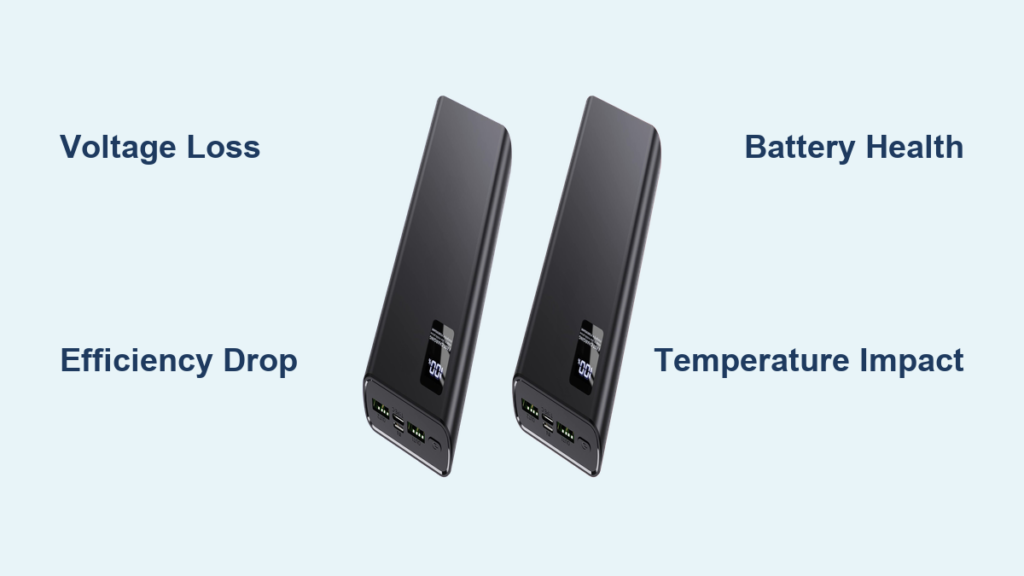
What Causes Power Loss?
Three main factors reduce output:
– Voltage conversion: 3.7V → 5V drops efficiency by ~15–20%
– Heat generation: Faster charging produces more heat, increasing loss
– Cable and connector resistance: Poor cables add 5–10% extra loss
Pro Tip: Use high-quality cables and avoid fast-charging if maximizing efficiency is your goal.
Device Charging Estimates

Smartphone Charges: 1.5 to 2 Full Top-Ups
Most smartphones have batteries between 3,000mAh and 4,000mAh. After accounting for losses, here’s what you can realistically expect:
| Phone Battery | Usable Output Needed | Full Charges from 8000mAh |
|---|---|---|
| 3,500mAh | ~4,200mAh | 1.6 times |
| 4,000mAh | ~4,800mAh | 1.25 times |
So while some brands claim “up to 2 full charges,” you’ll likely get:
– One full charge + partial top-up for most phones
– Two full charges only for small, older models (e.g., iPhone SE)
Example: Charging an iPhone 14 (3,279mAh) gives ~1.8 full charges. A Samsung Galaxy S23 (3,900mAh) gets ~1.4 times.
How Many Extra Hours of Use?
If your phone lasts 10 hours on a full charge:
– With 1.5 full charges: +15 hours of extended use
– With partial top-up: +5–8 hours
Total boost: 8–20 hours, depending on usage (gaming vs. standby).
Tablet Charging: Partial Top-Up Only
Tablets demand more:
– iPad (8,000–10,000mAh), Galaxy Tab (~7,000mAh)
An 8000mAh power bank can:
– Fully charge a 7,000mAh tablet once, with ~1,000mAh left
– Deliver 60–80% charge to larger tablets
– Recharge best when tablet is already at 30–50%
Not ideal for full tablet recharges unless used mid-cycle.
Charges for Small Devices
For accessories, the 8000mAh bank shines:
– Bluetooth earbuds (500mAh case): 10–14 full recharges
– Smartwatches (300mAh): 15–25 full charges
– Fitness trackers: 20+ recharges
These devices draw minimal power, making the bank last weeks on a single charge when used for wearables.
Factors That Reduce Power Bank Performance
Efficiency Varies by Brand
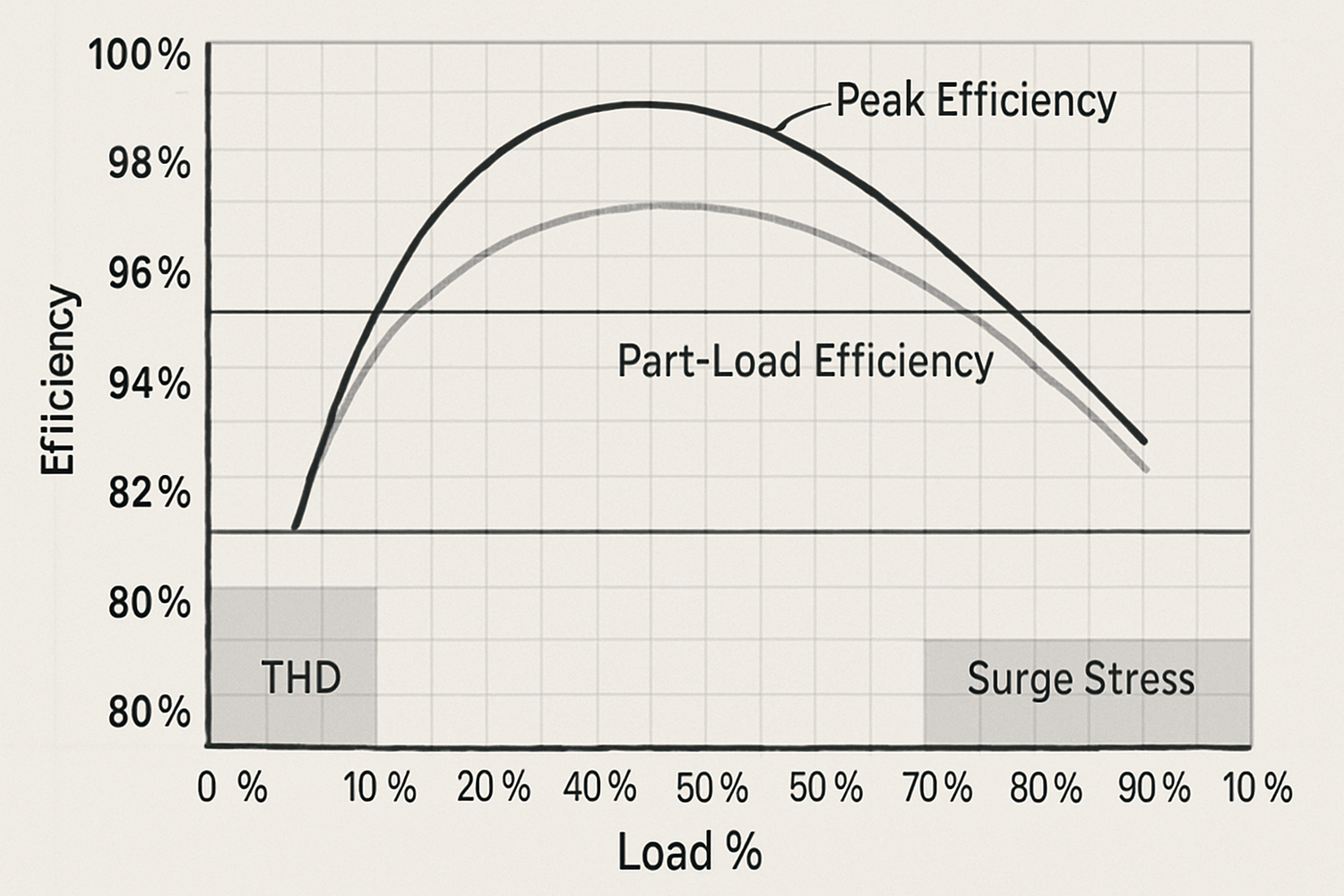
Not all 8000mAh power banks are equal:
– High-end (Anker, RAVPower): 85–90% efficiency
– Mid-range: 75–80%
– Cheap/no-name brands: As low as 60–70%
A low-efficiency unit may deliver only 5,000mAh, cutting potential charges by 20%.
Charging Speed vs. Efficiency
Higher output isn’t always better:
– 1A output: Slower, ~85% efficient
– 2.4A or USB-C PD: Faster, but heat reduces efficiency to ~75%
Trade-off: Speed costs you capacity. For maximum runtime, use standard charging.
Using Your Phone While Charging?
This drastically cuts net gain:
– Streaming video uses 400–800mA/hour
– Result: After 30 minutes, you may gain only 10–20% charge
Solution: Turn off the screen or enable airplane mode while charging.
Long-Term Lifespan: How Many Years?
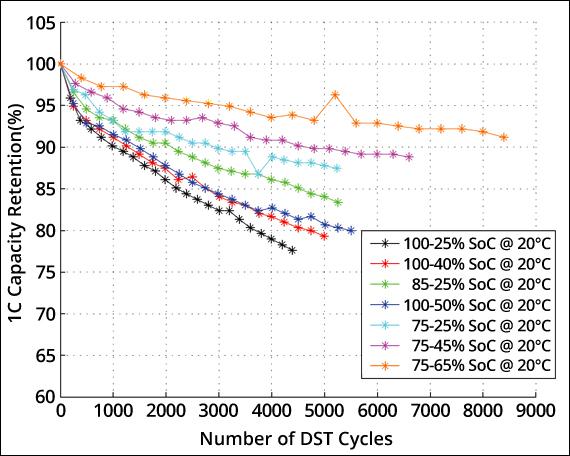
Charge Cycle Life: 300–500 Full Cycles
A charge cycle = using 100% of capacity (cumulative). After:
– 300 cycles: ~70% remaining capacity
– 500 cycles: ~60% capacity
At 60%, your 8000mAh bank behaves like a 4,800mAh unit—barely enough for one phone charge.
- High-quality models: Last 500–1,000 cycles
- Cheap models: Degrade faster, often failing before 300 cycles
Expected Calendar Life: 2 to 4 Years
How long it lasts depends on usage:
– Daily users: 1.5–2.5 years before noticeable decline
– Weekly use: 3–4 years
– Emergency use: 4–5+ years (if stored properly)
Example: A commuter using it 3x/week may see performance drop after 2 years.
Self-Discharge: How Long It Holds Charge Unused
Even when idle, power banks lose power.
Monthly Self-Discharge Rates
| Quality Level | Loss Per Month | After 3 Months | After 6 Months |
|---|---|---|---|
| High-end | 2–5% | 85–90% left | 70–80% left |
| Low-end | 8–10% | 60–70% left | 40–50% left |
So if you charge it and forget it:
– After 1 month: Still near full
– After 3 months: May need recharge
– After 6 months: Could be half-dead
Risk of Deep Discharge
Leaving a power bank at 0% for months can:
– Trigger deep sleep mode (some models can’t wake up)
– Cause permanent damage to lithium-ion cells
Prevention: Store at 50–80% charge, recharge every 2–3 months.
When to Replace Your 8000mAh Power Bank
Even if it still works, degraded performance makes it unreliable. Watch for these signs:
1. Reduced Charging Capacity
- Used to charge your phone fully, now only reaches 70%
- Delivers less than 1 full charge despite full indicator
2. Overheating During Use
- Warm is normal, but too hot to hold means:
- Poor internal cells
- Failing circuitry
- Fire risk
3. Swelling or Bulging
- Case looks puffed or misshapen
- Stop using immediately—lithium batteries can rupture or ignite
4. Slow or Failed Charging
- Takes longer than usual
- Stops charging mid-way
- Won’t charge certain devices
5. Random Shutdowns
- Turns off at 30% or 50%
- Inconsistent power delivery
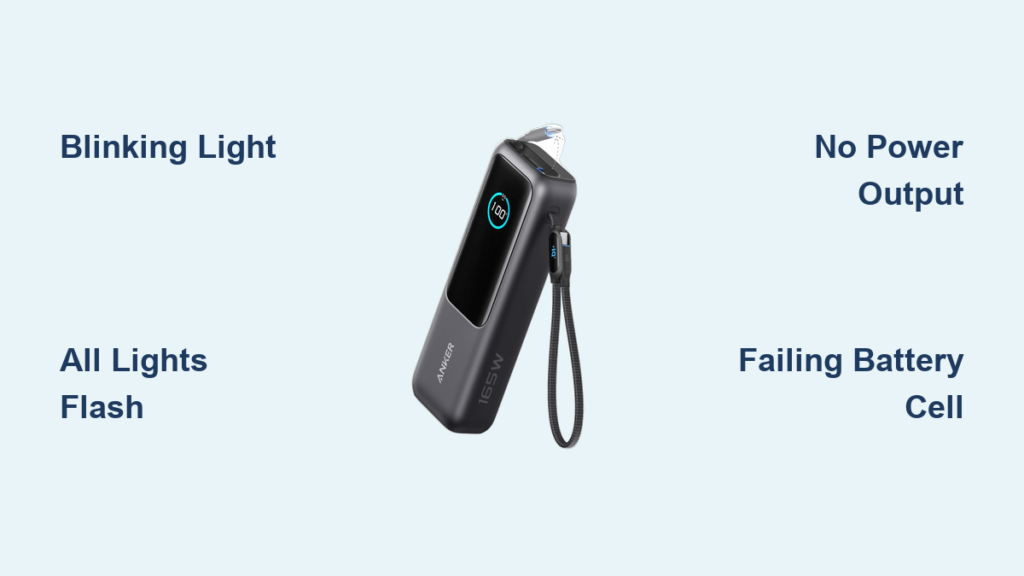
6. Inaccurate LED Indicators
- Shows 3/4 full, then dies instantly
- Lights skip or flash erratically
Bottom Line: If 3+ signs appear, replace it now—especially if swollen or overheating.
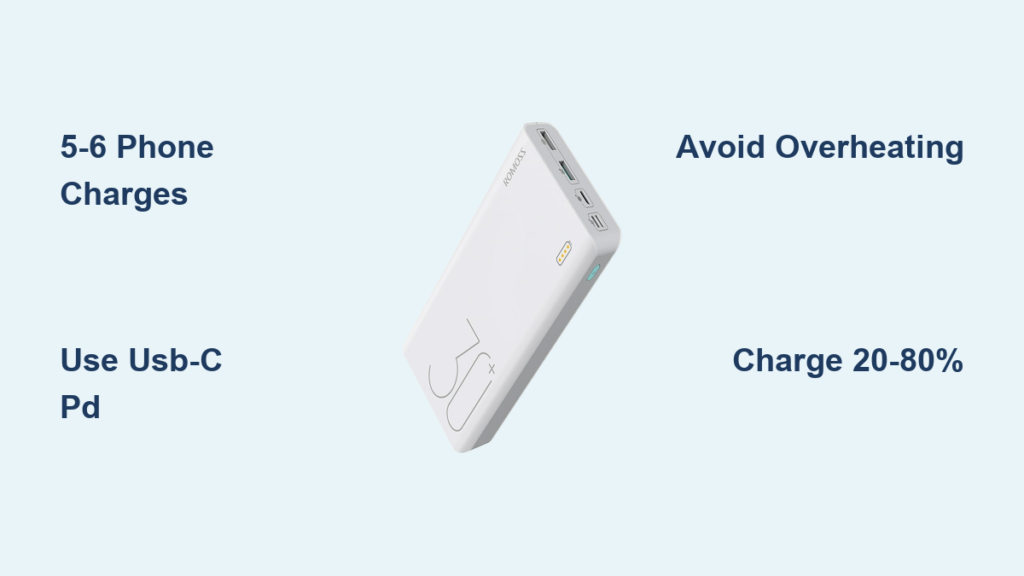
How to Maximize Lifespan
Keep Charge Between 20% and 80%
Lithium-ion batteries hate extremes:
– Avoid 0% discharges: Causes stress
– Don’t leave at 100%: Accelerates aging
Ideal habit: Recharge when it hits 20–30%, unplug at 80%.
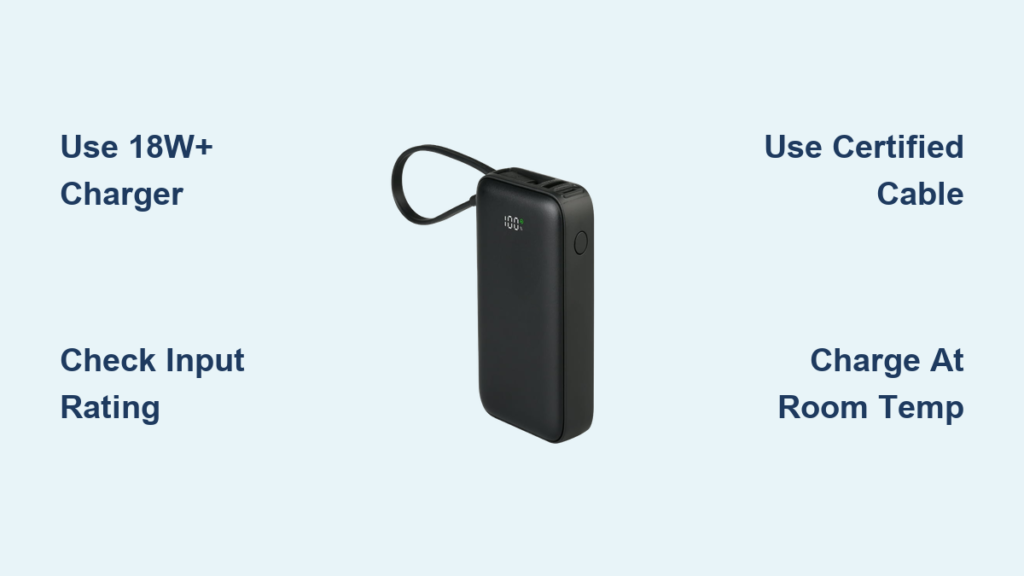
Use Certified Cables
Cheap cables cause:
– Voltage drops
– Overheating
– Charging interruptions
Use MFi (Apple) or USB-IF certified cables for stable power flow.
Don’t Charge While Recharging
Using the power bank while it’s plugged in:
– Generates excess heat
– Reduces efficiency
– Wears out cells faster
Wait until it’s fully charged before using it to power devices.
Avoid Temperature Extremes
Heat is the #1 battery killer:
– Never leave in hot cars (>45°C)
– Avoid direct sunlight
– Don’t use while gaming or in saunas
Cold slows performance temporarily but doesn’t harm long-term.
Choose Reputable Brands
Stick with trusted names:
– Anker, AUKEY, RAVPower, VRURC
– They use:
– Premium Li-ion or Li-Po cells
– Overcharge, short-circuit, and temperature protection
– Better battery management systems (BMS)
Avoid no-name brands—they often exaggerate capacity.
Store Properly for Long Breaks
If not using for weeks:
– Charge to 50–60%
– Store in cool, dry place
– Recharge every 2–3 months
Never store fully charged or empty.
Comparison: 8000mAh vs. Other Capacities
| Capacity | Smart Charges | Cycle Life | Lifespan | Shelf Life | Portability |
|---|---|---|---|---|---|
| 5000mAh | 1–1.5 | 300–500 | 2–3 yrs | 3–5 mos | ✅ Ultra-portable |
| 8000mAh | 1.5–2 | 300–500 | 2–4 yrs | 3–6 mos | ✅ Balanced |
| 10000mAh | 2–3 | 300–1000 | 3–4 yrs | 4–6 mos | ⚠️ Slightly bulky |
| 20000mAh | 4–5 | 1000+ | 4–5 yrs | 5–7 mos | ❌ Heavy |
Why 8000mAh wins: Best mix of portability and power. Fits in pockets, lasts through a workday, and charges phones nearly twice.
FAQs: Quick Answers
How many times can it charge a phone?
1.5 to 2 full charges for most smartphones (3,000–4,000mAh).
Why doesn’t it charge my phone twice?
Due to 15–30% energy loss in voltage conversion, heat, and cables.
How long to recharge the power bank?
At 5V/2A input: 4–6 hours, depending on charger quality.
Can I take it on a plane?
Yes. 8000mAh × 3.7V = 29.6Wh, well under the 100Wh airline limit.
Does it lose charge when not used?
Yes. Loses 2–10% per month. Recharge every 2–3 months if stored.
Is it safe to leave it plugged in overnight?
Modern units have overcharge protection, but unplugging is safer for longevity.
Do cheap power banks die faster?
Yes. They use low-quality cells, lack safety features, and degrade quickly.
Final Note
An 8000mAh power bank lasts 1.5 to 2 full smartphone charges per use and 2 to 4 years of regular service before capacity drops significantly. Its real strength lies in balance—offering solid power without the bulk of larger models.
To get the most from yours:
– Expect 60–85% of advertised capacity
– Replace after 300–500 cycles or signs of failure
– Store at 50% charge if unused
– Use quality cables and avoid heat
When chosen wisely and cared for properly, an 8000mAh power bank is a reliable companion for daily commutes, weekend trips, and emergency backups—lasting years and delivering peace of mind, one charge at a time.