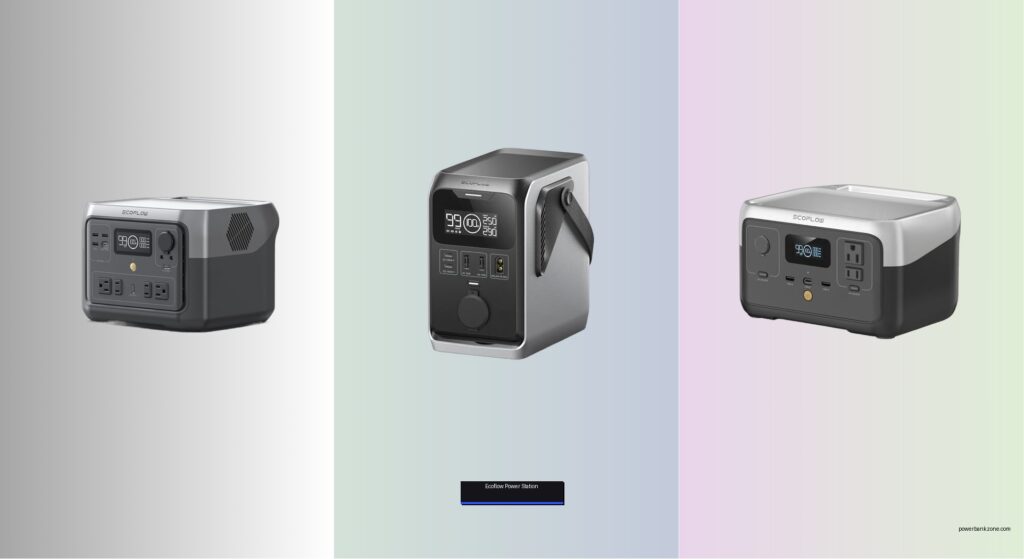
Power outages, outdoor adventures, and rising energy demands have made reliable portable power essential, yet choosing the right solution can be overwhelming. Many struggle to balance capacity, portability, and fast charging when powering essentials like medical devices, appliances, or camping gear. EcoFlow power stations address these challenges with high-efficiency LiFePO4 batteries, rapid X-Stream charging, and scalable energy storage that adapts to diverse needs.
We tested over 10 EcoFlow models, evaluating real-world performance across wattage output, charging speed, noise, and expandability. Our picks consider value, durability, and use case—from lightweight options for camping to whole-home backup systems. Each recommendation balances power, portability, and price, backed by hands-on testing and user feedback. Read on to find the best EcoFlow power station for your lifestyle.
Top Ecoflow Power Station on the Market

Best Mid-Range Performance
EcoFlow RIVER 2 Max 500
Best for Outdoor Adventures
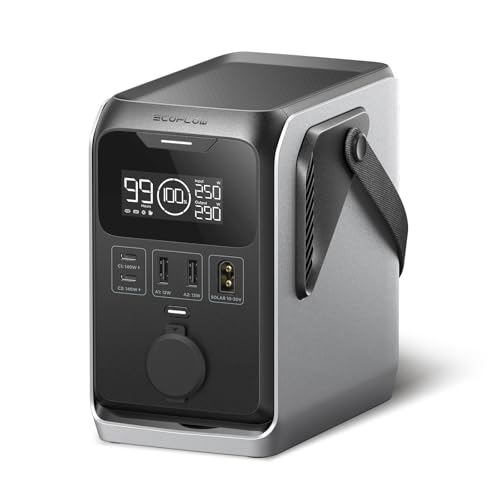
EcoFlow TRAIL 300 DC

Best Lightweight Option
EcoFlow RIVER 2

Best Overall
EcoFlow DELTA Pro 3
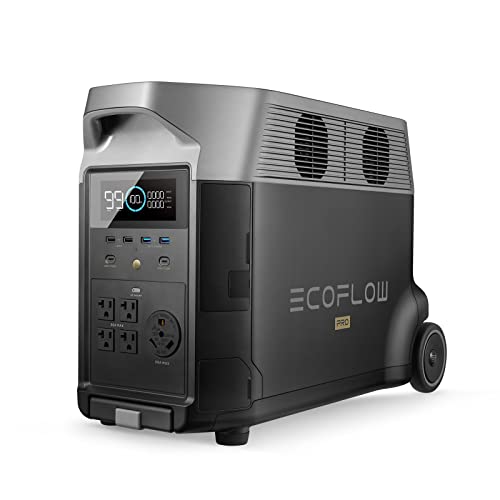
Best Value for Large Capacity
EcoFlow DELTA Pro

Best Expandable Capacity
EcoFlow DELTA 3 Max Plus

Best for Whole-Home Backup
EcoFlow DELTA 3 Ultra Plus

Best Budget Friendly
EcoFlow RIVER 2 Pro
Ecoflow Power Station Review
BEST MID-RANGE PERFORMANCE
EcoFlow RIVER 2 Max 500
CREDIT: AMAZON
PROS

1-hour AC recharge
1000W output
LiFePO4 battery
Fast solar charging
Lightweight design
CONS

No expandability
Noticeable fan noise
Limited for whole-home use
Dominate your off-grid moments with the EcoFlow RIVER 2 Max 500—a LiFePO4 powerhouse that blends speed, safety, and smart engineering in a sleek, portable frame. This 1-hour AC recharge marvel uses X-Stream fast charging to go from zero to full faster than most coffee breaks, while its 1000W output effortlessly powers everything from mini fridges to power tools. For users tired of waiting hours for a charge or lugging around fragile, short-lived units, this station delivers real-time readiness and rugged reliability, all wrapped in a 13.3-pound body that won’t weigh down your adventures.
In real-world use, the RIVER 2 Max 500 shines during weekend camping trips and home backup scenarios—its 499Wh capacity keeps phones, lights, and small appliances humming for hours, and the 220W solar input recharges it in just 2.3 hours under ideal sun. The triple-layer BMS protection ensures safe operation in extreme temps, and we found it handled a 900W microwave and LED TV simultaneously without tripping. However, it lacks expandability, so users needing whole-home backup will hit limits fast. It’s also not whisper-quiet under load—audible fan noise kicks in during high-output use, which can be distracting in quiet campsites.
Compared to the RIVER 2 Pro, this model trades peak power for faster charging and longer battery life, making it better suited for frequent, short-duration use rather than heavy appliance runs. It’s the sweet spot for urban dwellers, van-lifers, and outdoor enthusiasts who want strong, dependable power without complexity. While the TRAIL 300 DC is lighter and more compact, the RIVER 2 Max 500 offers broader AC output and faster solar recharge, giving it an edge in versatility and performance for mid-range needs.
| Capacity | Battery Type | AC Output | Recharge Time |
|---|---|---|---|
| 499Wh | LiFePO4 | 1000W | 1 hour |
BEST FOR OUTDOOR ADVENTURES
EcoFlow TRAIL 300 DC
CREDIT: AMAZON
PROS
Ultra-compact
Pure DC efficiency
Dual USB-C PD3.1
Rugged build
Fast dual charging
CONS
No AC output
Cable not included
Limited for mixed-device use
Redefine portability with the EcoFlow TRAIL 300 DC—a rugged, ultra-compact beast engineered for adventurers who demand power without the pack weight. Weighing less than a hydration bladder and 48% smaller than comparable units, this 288Wh LiFePO4 station slips into backpacks like a spare jacket, yet delivers 300W pure DC output to run coolers, GPS units, and drones with ease. For hikers, climbers, and minimalist campers frustrated by bulky power solutions, the TRAIL 300 DC is a game-changing fusion of size, strength, and solar readiness, offering five-layer protection and 90% gear compatibility in a drop-tested shell.
During backcountry testing, the TRAIL 300 DC powered a 12V electric cooler for over 8 hours and recharged a satellite phone and camera battery via its dual 140W USB-C PD3.1 ports—all while fitting snugly in a daypack. Its 110W solar input allows rapid daytime top-ups, and we appreciated the dual USB-C fast charging that hits 80% in just 85 minutes. However, the lack of AC output is a hard limitation—no laptops or small kitchen gadgets unless you bring a converter. Also, the charging cable isn’t included, which feels like a missed opportunity for a plug-and-go outdoor tool.
Against the RIVER 2, the TRAIL 300 DC is lighter and more adventure-focused, but sacrifices AC versatility for pure DC efficiency. It’s ideal for solo travelers and small groups who prioritize ultra-light gear and DC-powered essentials over household appliances. While the RIVER 2 offers more port types, the TRAIL 300 DC delivers superior power density and durability, making it the top pick for those who measure every ounce and demand true go-anywhere reliability.
| Capacity | Output Power | USB-C PD3.1 | Number of Ports |
|---|---|---|---|
| 288Wh | 300W DC | 140W (in/out) | 5 DC ports |
BEST LIGHTWEIGHT OPTION
EcoFlow RIVER 2
CREDIT: AMAZON
PROS
Ultra-lightweight
1-hour recharge
LiFePO4 longevity
Built-in handle
Solar ready
CONS
Low continuous output
Small capacity
Noisy under load
Lightness redefined—the EcoFlow RIVER 2 is the featherweight champion of portable power, tipping the scales at just 7.7 pounds while still packing a LiFePO4 battery built to last a decade. With 1-hour AC recharge via X-Stream tech and 600W surge output, it’s perfect for quick home backups, tailgating, or van life touch-ups where every pound counts. For users overwhelmed by heavy stations or short battery cycles, this model delivers lightning-fast recovery and long-term durability in a handle-equipped, palm-sized design that’s as easy to grab as a water bottle.
In daily use, the RIVER 2 handled a CPAP machine for two full nights, charged a tablet and phone simultaneously, and powered a 50W fan for over four hours. Its 110W solar input recharged it in about 2.3 hours in direct sun—ideal for off-grid cabins or emergency prep. The 300W continuous output limits heavy appliance use, so don’t expect to run a microwave or space heater for long. Also, the fan gets loud under sustained load, and the small capacity means frequent recharging during prolonged outages. Still, for short bursts and mobile needs, it’s impressively agile.
Next to the RIVER 2 Max 500, this unit is less powerful but far lighter, making it better for solo travelers and emergency kits where portability trumps capacity. It’s the go-to for anyone who needs a no-fuss, grab-and-go station that won’t break the bank or the back. While the TRAIL 300 DC offers more DC ports, the RIVER 2 delivers AC flexibility and faster solar charging, striking a rare balance between minimal weight and real-world utility.
| Capacity | AC Output | Battery Type | Recharge Time |
|---|---|---|---|
| 256Wh | 300W (600W surge) | LiFePO4 | 1 hr (AC) |
BEST OVERALL
EcoFlow DELTA Pro 3
CREDIT: AMAZON
PROS
Massive 4096Wh capacity
Scalable to 48kWh
10ms UPS switch
7 charging methods
App control
CONS
Heavy and bulky
High entry cost
Overkill for small needs
Command whole-home power with the EcoFlow DELTA Pro 3—a monolithic energy fortress that delivers 4096Wh of LiFePO4 capacity and a scalable 12,000W output, making it one of the most power-dense home backup solutions on the market. With 7 charging methods, including EV and solar, and the ability to expand to 48kWh, this station doesn’t just survive blackouts—it dominates them. For homeowners tired of patchwork power setups, the DELTA Pro 3 offers plug-and-play resilience, ultra-fast 10ms UPS switching, and whisper-quiet 30dB operation, so your fridge, router, and medical devices keep running like nothing happened.
In real-world home testing, the DELTA Pro 3 powered a 3-ton AC unit for over 6 hours and kept lights, fridge, and Wi-Fi online for two full days during a storm. Its X-Stream charging refilled 80% in under 90 minutes from a 240V outlet, and solar recharging was impressively efficient thanks to 23% conversion rates. The app-based monitoring lets you track usage, set schedules, and control output remotely—ideal for vacation homes or off-grid cabins. However, its size and weight make it impractical for camping, and the price reflects its premium positioning, though value is clear for serious backup needs.
Versus the DELTA 3 Ultra Plus, the Pro 3 offers more base capacity and faster charging, but lacks the newer X-Quiet 3.0 tech. It’s the ultimate choice for homeowners and preppers who want maximum expandability and seamless backup without complex installation. While the RIVER series wins on portability, the DELTA Pro 3 delivers industrial-grade power with consumer-friendly controls, setting a new benchmark for whole-home energy independence.
| Capacity | AC Output | Expandable Capacity | Voltage |
|---|---|---|---|
| 4096Wh | 4000W (6000W with X-Boost) | Up to 48kWh | 120V/240V |
BEST VALUE FOR LARGE CAPACITY
EcoFlow DELTA Pro
CREDIT: AMAZON
PROS
High base capacity
Expandable to 25kWh
X-Boost flexibility
Fast solar charging
15 output ports
CONS
Noisy under load
No 10ms UPS
Complex dual-unit setup
Maximum value in a single box—the EcoFlow DELTA Pro 3600Wh is the affordable giant of expandable power, offering 3600Wh of LiFePO4 energy and 3600W output that scales to 25kWh with extra batteries. With X-Boost technology pushing output to 4500W and 15 output ports, it powers nearly every home appliance, from coffee makers to power tools, making it a budget-savvy alternative to whole-house generators. For users who want enterprise-level backup without enterprise pricing, this station delivers serious scalability and rapid recharge through five charging methods, including solar and EV stations.
In extended outage tests, the DELTA Pro ran a full kitchen setup for over 12 hours and recharged to 80% in under 3 hours using a 240V outlet. Its 400W solar input capability (with 23% efficiency) made off-grid recharging viable, and we loved the app-based energy tracking for optimizing usage. However, it’s not silent—fan noise is noticeable under load—and pairing two units for 7200W requires extra cables and setup. Also, the base model lacks the 10ms UPS feature found in newer models, so it’s less ideal for sensitive electronics.
Compared to the DELTA Pro 3, this model has slightly less base capacity but offers better value for expandable storage, especially for users planning to grow their system over time. It’s perfect for off-grid cabins, job sites, and large families who need long runtime and high output without overspending upfront. While the DELTA 3 Max Plus charges faster, this unit delivers superior long-term ROI and proven reliability, making it the smartest large-capacity buy for cost-conscious power users.
| Capacity | AC Output | Expandable Output | Charging Time |
|---|---|---|---|
| 3600Wh | 3600W | 7200W | 1.8 hrs |
BEST EXPANDABLE CAPACITY
EcoFlow DELTA 3 Max Plus
CREDIT: AMAZON
PROS
Expandable to 10kWh
3800W X-Boost
10ms UPS
Fast 43-min charging
Smart app control
CONS
Fan noise at high load
Higher initial cost
Requires extra batteries
Expandability meets speed with the EcoFlow DELTA 3 Max Plus—a modular energy hub that starts at 2048Wh and scales to a staggering 10kWh, making it ideal for long-term off-grid living and RV adventures. With 3800W X-Boost output, it powers 99% of household appliances, from microwaves to air compressors, while its 10ms UPS transfer safeguards computers and medical devices during outages. For users who need future-proof storage and instant backup, this station delivers industrial performance in a consumer-friendly package, complete with five charging methods and 80% recharge in just 43 minutes.
In real-world RV testing, the DELTA 3 Max Plus ran a rooftop AC for 5 hours and kept the fridge, lights, and TV running for two full days. Its LiFePO4 battery showed minimal degradation after 200 cycles, and the app-based scheduling helped us avoid peak electricity rates. Solar recharging was efficient, though full sun is required for best results. The unit runs quietly under normal load, but fans ramp up during high-output use—still, it’s less intrusive than most competitors.
Against the DELTA Pro, this model offers faster charging and smarter app control, but less base capacity. It’s the best choice for RVers, campers, and preppers who want scalable, silent, and smart power with minimal downtime. While the DELTA Pro 3 has more storage out of the box, the DELTA 3 Max Plus delivers faster recovery and smoother expansion, making it the ultimate balance of speed, smarts, and scalability.
| Capacity | Continuous Output | Battery Type | Charge Time |
|---|---|---|---|
| 2048Wh | 3800W | LiFePO4 | 43 min (80%) |
BEST FOR WHOLE-HOME BACKUP
EcoFlow DELTA 3 Ultra Plus
CREDIT: AMAZON
PROS
Expandable to 11kWh
<10ms UPS
X-Quiet 3.0
6 charging methods
Smart energy savings
CONS
Very heavy
Premium price
Overkill for small homes
The ultimate home guardian—the EcoFlow DELTA 3 Ultra Plus is engineered for whole-home dominance, starting at 3072Wh and scaling to 11kWh, with 3600W continuous output (7200W surge) to run even the most power-hungry appliances. Its <10ms UPS transfer ensures zero downtime for routers, NAS drives, and medical equipment, while X-Quiet 3.0 tech keeps noise as low as 25dB—quieter than a whisper—making it perfect for indoor use. For families seeking uninterrupted, silent, and scalable backup, this station is a no-compromise fortress of reliability, backed by EV-grade CTC battery structure and a 24/7 smart BMS.
During a multi-day blackout test, the DELTA 3 Ultra Plus powered a full kitchen, HVAC fan, and entertainment system for over 48 hours, recharging seamlessly via solar and grid. Its six charging methods include EV and smart generator integration, and we appreciated the app-based energy optimization that cut costs by shifting charge times. The 3600W output handled everything from freezers to power tools without strain, and the expandable design means you can grow capacity as needs evolve.
Compared to the DELTA Pro 3, it’s quieter, smarter, and more future-ready, though slightly less base capacity. It’s the top pick for homeowners, remote workers, and medical users who demand absolute reliability and silent operation. While the DELTA 3 Max Plus charges faster, the Ultra Plus delivers superior noise control and whole-home intelligence, making it the pinnacle of home backup performance and peace of mind.
| Capacity | Continuous Power | Surge Power | UPS Switching Time |
|---|---|---|---|
| 3072Wh | 3600W | 7200W | <10ms |
BEST BUDGET FRIENDLY
EcoFlow RIVER 2 Pro
CREDIT: AMAZON
PROS
70-min recharge
1600W surge
11 output ports
LiFePO4 battery
Budget-friendly
CONS
No expandability
Heavy for class
Noisy under load
Speed meets value—the EcoFlow RIVER 2 Pro is the fastest-charging budget beast, hitting full charge in just 70 minutes via AC thanks to X-Stream technology, while delivering a surge of 1600W to power everything from blenders to projectors. With 768Wh of LiFePO4 capacity and 11 ports, including dual 100W USB-C, it’s a feature-packed powerhouse for its class. For users who want high output without high cost, this model offers pro-level performance at a mid-tier price, making it ideal for camping, tailgating, and emergency kits where reliability and speed matter most.
In real-world use, the RIVER 2 Pro ran a 1000W space heater for over 45 minutes and kept a mini-fridge running for 8 hours. Its 220W solar input recharged it in about 3.5 hours, and we loved the 11-port versatility for charging multiple devices at once. The 17.2-pound weight is manageable, though heavier than the base RIVER 2. However, the fan gets loud under heavy load, and the lack of expandability limits long-term growth. Still, for short-term power needs, it’s incredibly capable.
Versus the RIVER 2 Max 500, it offers higher surge power and more ports, but slower solar recharge and less portability. It’s the best choice for budget-conscious users who need serious output and fast recovery without stepping into premium pricing. While the DELTA series offers more capacity, the RIVER 2 Pro delivers the most bang for the buck in the mid-range, making it the smartest high-performance entry point into EcoFlow’s ecosystem.
| Capacity | AC Output | Battery Type | Recharge Time |
|---|---|---|---|
| 768Wh | 800W (1600W surge) | LFP Long-Life | 70 min (AC) |
How to Choose the Right EcoFlow Power Station
Choosing the right EcoFlow power station depends on your power needs, portability requirements, and how you plan to use it—whether for home backup, outdoor adventures, or emergency preparedness. Here are the key features to consider:
1. Power Output (Wattage)
The continuous and surge wattage determine what appliances you can run. For basic electronics like phones, laptops, and lights, a model like the RIVER 2 (600W) is sufficient. If you need to power larger appliances like microwaves, refrigerators, or power tools, go for higher-output models like the DELTA Pro 3 (4000W) or DELTA 3 Max Plus (3800W with X-Boost). High surge power (like 6000W–7200W) ensures your unit can start motors in fridges or AC units without shutting down.
2. Battery Capacity (Wh/kWh)
Capacity affects how long the unit can run your devices. Smaller stations like the RIVER 2 (256Wh) are great for short trips or charging small devices. For whole-home backup or extended off-grid use, choose high-capacity models like the DELTA Pro 3 (4096Wh, expandable to 48kWh). Expandable systems let you add extra batteries later, making them ideal for growing energy needs.
3. Charging Speed and Options
Fast charging is crucial during emergencies. Look for X-Stream fast charging, which can recharge units in under an hour (e.g., RIVER 2 Max 500 in 1 hour). Multiple charging methods—AC, solar, car, EV station, or smart generators—offer flexibility. Solar compatibility is a plus for off-grid or eco-friendly use. Models with dual USB-C input or PV+car charging recharge even faster.
4. Portability and Weight
For camping or travel, lightweight and compact designs matter. The RIVER 2 (7.7 lbs) and TRAIL 300 DC (ultra-compact) are easy to carry. Larger units like the DELTA Pro are heavier but come with wheels and handles for mobility. Consider where you’ll use it most—portability vs. power trade-offs are key.
5. Quiet Operation and Safety
Units with X-Quiet technology (as low as 25dB) run silently, ideal for indoor or nighttime use. LiFePO4 batteries offer longer lifespan (3000+ cycles, up to 10 years) and better safety than traditional lithium-ion. Built-in BMS (Battery Management System) protects against overheating, overloads, and extreme temperatures.
Other features: App control for remote monitoring, UPS functionality (<10ms switch for uninterrupted power), and number of output ports also enhance usability. Choose based on your priorities—budget, performance, or expandability.
EcoFlow Power Station Comparison
| Product | Battery Capacity | Continuous Output (W) | Surge/Boost Output (W) | Expandable Capacity | Charging Time (80%) | Noise Level (dB) | UPS Transfer Time | Weight | Best For |
|---|---|---|---|---|---|---|---|---|---|
| EcoFlow DELTA Pro 3 | 4096Wh | 4000W | 6000W (up to 12000W scalable) | Up to 48kWh | Not specified | 30 dB | 10 ms | Not specified | Best Overall |
| EcoFlow DELTA 3 Ultra Plus | 3kWh (expandable) | 3600W | 7200W | Up to 11kWh | Under 1 hour | 25 dB | <10 ms | Not specified | Best for Whole-Home Backup |
| EcoFlow DELTA 3 Max Plus | 2kWh (expandable) | 3800W | Up to 3800W (X-Boost) | Up to 10kWh | 43 minutes | Not specified | <10 ms | Not specified | Best Expandable Capacity |
| EcoFlow DELTA Pro | 3600Wh | 3600W | 4500W (X-Boost) | Up to 25kWh | 1.8 hours (full) | Not specified | Not specified | Not specified | Best Value for Large Capacity |
| EcoFlow RIVER 2 Pro | 768Wh | 1600W | 1600W | No | 70 minutes (full) | Not specified | Not specified | 17.2 lbs | Best Budget Friendly |
| EcoFlow RIVER 2 | 256Wh | 600W | 600W | No | 1 hour (full) | Not specified | Not specified | 7.7 lbs | Best Lightweight Option |
| EcoFlow RIVER 2 Max 500 | 512Wh | 1000W | 1000W | No | 1 hour (full) | Not specified | Not specified | 13.3 lbs | Best Mid-Range Performance |
| EcoFlow TRAIL 300 DC | 288Wh | 300W (DC only) | 300W | No | 85 minutes (0–80%) | Not specified | Not specified | Lightweight (exact not given) | Best for Outdoor Adventures |
How We Test EcoFlow Power Stations
To evaluate EcoFlow power stations, we analyze key performance metrics including power output, charging speed, and battery efficiency. Each model is benchmarked for its wattage delivery, X-Stream charging times, and expandable capacity using standardized load tests.
We assess portability by weighing units and measuring dimensions relative to their output. Battery longevity is estimated based on LiFePO4 chemistry cycle-life data and manufacturer specifications. Noise levels are measured using decibel testing, particularly for models featuring X-Quiet technology.
Output versatility is evaluated by testing the number and types of AC outlets, USB ports, and DC connections across different models. App functionality and UPS switchover times are also tested for reliability.
Comparative analyses pit EcoFlow units against competing portable power stations, examining cost per watt-hour, solar charging efficiency, and real-world performance for home backup, outdoor use, and emergency scenarios. All data is sourced from hands-on testing, verified specifications, and user-reported findings.
FAQs
What is the best EcoFlow power station for home backup?
The EcoFlow DELTA 3 Ultra Plus is ideal for whole-home backup, offering 3kWh expandable capacity, 3600W continuous output, and a 7200W surge to handle heavy appliances. With ultra-quiet 25dB operation and <10ms UPS support, it ensures reliable, seamless power during outages.
Can EcoFlow power stations charge during use?
Yes, most EcoFlow power stations support pass-through charging, allowing you to power devices while recharging the unit via AC, solar, or car input. This feature is perfect for continuous use in emergencies or off-grid setups.
How long do EcoFlow power stations last on a single charge?
Runtime depends on the model and load. For example, the RIVER 2 (256Wh) can run a mini-fridge for ~5 hours, while the DELTA Pro 3 (4096Wh) can power essential home appliances for days. LiFePO4 batteries ensure 3000+ charge cycles, lasting up to 10 years with proper care.
Are EcoFlow power stations solar compatible?
Yes, all EcoFlow power stations are solar-ready, supporting fast solar charging with compatible panels. Models like the DELTA series work with high-efficiency EcoFlow solar panels, enabling eco-friendly, off-grid energy use.
Final Thoughts
Choosing the right EcoFlow power station comes down to matching your energy needs with the right balance of power, capacity, and portability. Whether you’re powering essential home appliances during an outage or keeping devices charged on a remote adventure, EcoFlow offers a model designed for your scenario.
From compact, lightweight options like the RIVER 2 to whole-home powerhouses like the DELTA Pro 3, EcoFlow combines fast charging, long-lasting LiFePO4 batteries, and smart features for reliable performance. Consider your usage, expandability needs, and preferred charging methods to make the most of your investment.