Imagine returning to your classic car after winter storage, turning the key, and hearing only a faint click. The battery is dead again. This frustrating scenario is common for owners of seasonal vehicles, boats, or backup systems. The culprit is battery self-discharge and sulfation, but there is a simple solution called trickle charging.
A trickle battery charger works by delivering a low, continuous current that matches the battery’s natural self-discharge rate. This keeps the battery fully charged over weeks or months of inactivity, preventing damage and ensuring it is ready when you need it. Unlike fast chargers, trickle chargers are designed for long-term maintenance, not quick revival of dead batteries.
How Trickle Charging Prevents Battery Damage
Why Sulfation Destroys Batteries
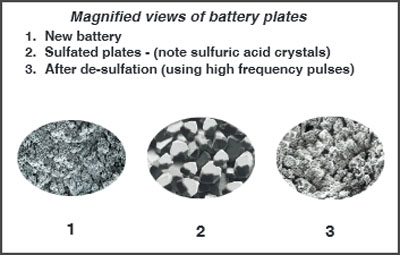
Sulfation occurs when lead sulfate crystals form on battery plates during discharge and harden over time if the battery sits unused. In lead-acid batteries, this process accelerates when voltage drops below 12.4 volts. Hardened sulfate crystals reduce active surface area, lowering capacity and increasing internal resistance. Eventually, the battery cannot accept a charge at all.
A trickle charger prevents this by maintaining a full charge and keeping voltage above the sulfation threshold. The low current continuously offsets self-discharge, which averages 10 to 15 percent per month in lead-acid batteries, ensuring the battery stays in optimal condition.
Preventing Freezing in Cold Weather
A fully charged lead-acid battery has a freezing point around -70 degrees Fahrenheit. But as charge drops, the electrolyte becomes more water-like and freezes at higher temperatures. At 50 percent charge, freezing can occur at just 20 degrees Fahrenheit, a common winter temperature in many regions.
A frozen battery can suffer cracked cases, warped plates, and permanent failure. Trickle charging prevents this by maintaining full charge, preserving electrolyte balance, and keeping the battery ready for use even in freezing conditions.
Manual vs Smart Trickle Chargers
Standard Trickle Chargers: Simple but Risky
Manual trickle chargers deliver a constant 1 to 3 amp current with no automatic shutoff. They cost 20 to 40 dollars but require close monitoring. If left connected too long, they can boil off electrolyte in flooded batteries, cause gassing in AGM or gel types, and warp internal plates due to overheating.
Never leave a manual trickle charger unattended for more than 24 to 48 hours. These chargers work best for users who can check progress regularly and disconnect when the battery reaches full charge.
Smart Battery Maintainers: Set and Forget Safety
Smart trickle chargers, also called battery maintainers or float chargers, use microprocessors to manage charging in stages. The bulk charge stage delivers high current until the battery reaches approximately 80 percent capacity. The absorption stage provides slower charging to reach 100 percent. The float mode drops to just 0.1 to 0.5 amps to maintain charge without overcharging.
These can be left connected indefinitely, making them ideal for seasonal vehicles. Models like the Battery Tender Junior or NOCO Genius series include reverse polarity protection, spark-proof connections, and desulfation modes.
Matching Chargers to Battery Chemistry
Lead-Acid Batteries: Ideal for Trickle Charging
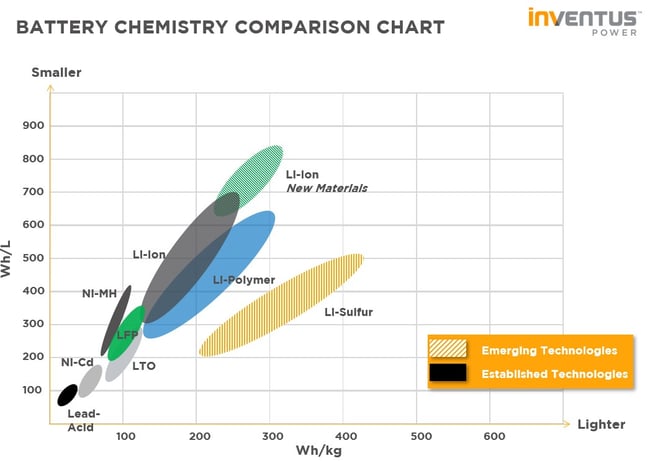
Flooded, AGM, and gel lead-acid batteries benefit most from trickle charging. They self-discharge at 10 to 15 percent per month, making long-term storage risky without maintenance. Smart chargers with 13.2 to 13.8 volts float voltage work ideally for 12 volt systems.
AGM and gel batteries are sealed and more sensitive to overvoltage. Always use a smart charger with proper voltage regulation to avoid damage.
Lithium-Ion and LiFePO4: Special Requirements
Lithium batteries self-discharge at just 2 to 3 percent per month, but they are extremely sensitive to overcharging. Traditional trickle chargers can cause thermal runaway, fire, or explosion.
Only use lithium-specific smart chargers that communicate with the battery management system. These deliver a maintenance charge only when needed and shut off completely if voltage exceeds safe limits.
Connecting a Trickle Charger Safely

Step 1: Choose a Well-Ventilated Area
Lead-acid batteries emit flammable hydrogen gas during charging. Always work in a dry, open space away from sparks, flames, or pilot lights. Never charge in enclosed garages with gas furnaces.
Step 2: Inspect and Clean the Battery
Check for cracks, leaks, or corrosion. Clean terminals with a baking soda and water solution and a wire brush. For flooded batteries, ensure electrolyte covers the plates and top up with distilled water if low.
Step 3: Confirm Charger Compatibility
Verify the charger supports your battery type and voltage. Never use a lead-acid charger on a lithium battery or vice versa.
Step 4: Connect in the Correct Order
Turn off and unplug the charger. Attach the red positive clamp to the battery positive terminal. Attach the black negative clamp to the negative terminal or chassis ground. On modern vehicles, use jump-start posts if specified in the manual to avoid triggering battery sensors.
Step 5: Power On and Monitor
Plug in and turn on the charger. Watch for LED indicators showing charging status. Check after a few hours for excessive heat or sparks, which should not occur.
Step 6: Disconnect in Reverse Order
Unplug the charger first. Remove the black negative clamp. Remove the red positive clamp last.
Critical safety rule: connect positive first, then negative, then plug in. Disconnect by unplugging first, then remove negative, then positive. This prevents sparks that could ignite hydrogen gas.
Common Mistakes to Avoid
Using the Wrong Charger Chemistry
Plugging a lithium battery into a lead-acid charger is the number one mistake. The higher voltage can destroy the battery management system and create a fire hazard. Always check the label and match chemistry types.
Leaving Manual Chargers Too Long
A 2 amp trickle charger on a 50 amp-hour battery can overcharge within 24 to 48 hours. Without monitoring, this leads to water loss, gassing, and reduced lifespan. Upgrade to a smart maintainer if you cannot supervise the charging process.
Charging a Frozen Battery
Never charge a battery that is below freezing. Ice prevents proper chemical reaction and can cause internal short circuits. Warm the battery to room temperature first before connecting any charger.
Ignoring Reverse Polarity Warnings
Most smart chargers beep or flash if clamps are reversed. Even brief reverse connection can damage electronics. Double-check red to positive and black to negative before powering on.
Advanced Features for Better Results
Desulfation Mode
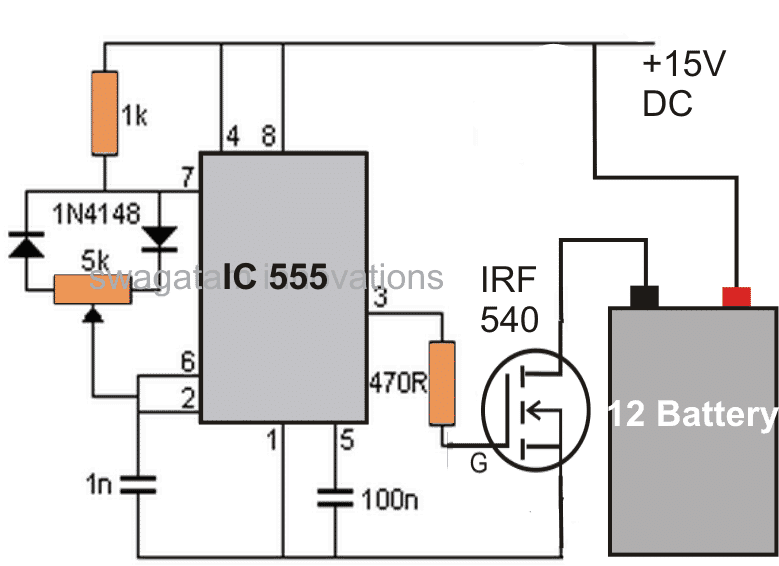
Premium chargers include a pulse desulfation function that breaks down sulfate crystals using high-frequency voltage spikes. Run this mode monthly on older lead-acid batteries to restore lost capacity.
Automatic Float Mode
Once the battery reaches 100 percent, the charger switches to float mode and delivers just enough current to offset self-discharge. This is what makes smart maintainers safe for months-long connection.
Multiple Charging Programs
Look for chargers with preset modes for flooded, AGM, gel, lithium, and recondition. This ensures optimal charging for each chemistry type.
When Not to Use a Trickle Charger
Battery Is Completely Dead
A trickle charger may take days or weeks to revive a zero percent battery. For faster recovery, use a 10 to 50 amp standard charger or jump starter first, then switch to a maintainer.
Battery Is at End of Life
If a battery will not hold a charge after 48 hours on a smart charger, it is likely degraded. Typical lead-acid lifespan is 3 to 5 years, while lithium batteries last 5 to 8 years. Replace the battery instead of wasting time on charging.
Vehicle Is Driven Frequently
If you drive your car three or more times per week, the alternator maintains sufficient charge. Trickle charging is only needed for seasonal or infrequently used vehicles.
Special Cases: RVs, Boats, and Power Banks
Victron Auxiliary Trickle Charging
In marine and RV systems, the Victron Multiplus uses a passive circuit to trickle charge a starter battery from a house battery. It activates when house voltage exceeds approximately 13.1 volts and includes a diode to prevent backflow.
This setup is not suitable for lithium house plus lead-acid starter setups unless the battery management system fully disconnects the load. Otherwise, continuous trickle can drain the lithium battery.
Power Bank Trickle Mode: Misleading Name
Devices like the Anker PowerCore have a trickle charge mode to prevent auto-shutdown when charging low-power devices like earbuds. This is not true trickle charging. It just keeps the output active for up to two hours and does not reduce current or maintain a battery long-term.
Best Practices for Long Battery Life
Use smart maintainers instead of manual trickle chargers. Store batteries at 70 to 80 percent charge if removing from the vehicle. Check terminals every three months for corrosion. Keep batteries clean and dry. Use temperature-compensated chargers in extreme climates. Invest in a quality maintainer to avoid expensive battery replacements.
Frequently Asked Questions About Trickle Battery Chargers
What is the purpose of a trickle battery charger?
A trickle battery charger delivers a low, continuous current that matches a battery’s natural self-discharge rate. This keeps the battery fully charged during long periods of inactivity, preventing sulfation and extending battery life.
Can I leave a trickle charger on my battery indefinitely?
Only smart battery maintainers with automatic float mode can be left connected indefinitely. Manual trickle chargers pose overcharging risks and should be disconnected once the battery reaches full charge, typically within 24 to 48 hours.
Is a trickle charger the same as a battery maintainer?
No, they are different. Manual trickle chargers deliver constant current without automatic shutoff. Smart battery maintainers use microprocessors to monitor battery state and switch to float mode automatically, making them safer for long-term use.
Can I use a trickle charger on a lithium battery?
Only if the charger is specifically designed for lithium chemistry. Standard lead-acid trickle chargers can cause overcharging, thermal runaway, or fire when used on lithium batteries. Use lithium-specific smart chargers with battery management system communication.
How long does it take to charge a battery with a trickle charger?
A 2 amp trickle charger takes approximately 25 hours to charge a 100 amp-hour battery from 50 percent discharge to full. Trickle chargers are designed for maintenance over weeks or months, not rapid charging.
Key Takeaways for Using Trickle Battery Chargers
A trickle battery charger works by delivering a low, sustained current that matches the battery’s self-discharge rate, keeping it fully charged and healthy during storage. Smart maintainers with float mode and automatic shutoff make this process safe and hands-free for extended periods. Whether you are preserving a motorcycle battery, maintaining a boat’s deep cycle system, or protecting an RV house battery, the right trickle charger can double or even triple your battery’s lifespan. Always choose a smart maintainer over a manual charger, match the charger chemistry to your battery type, and never leave manual chargers unattended. This investment in proper battery maintenance ensures reliable performance when you need it most.