Your power bank sits idle until you need it most—only to discover it’s completely drained. This frustrating scenario happens far too often because most people don’t know the best way to charge a power bank properly. Simply plugging it into any charger won’t maximize performance or lifespan. Understanding the right techniques transforms your power bank from an unreliable accessory into a dependable power source that lasts for years.
Power banks use sophisticated lithium-based technology that requires specific charging protocols. Using the wrong charger or improper techniques can cut your device’s lifespan in half while dramatically slowing down charging speeds. This guide reveals the exact methods professionals use to charge power banks safely and efficiently, ensuring you get the most out of your investment.
Choosing the Right Charger for Your Power Bank Capacity
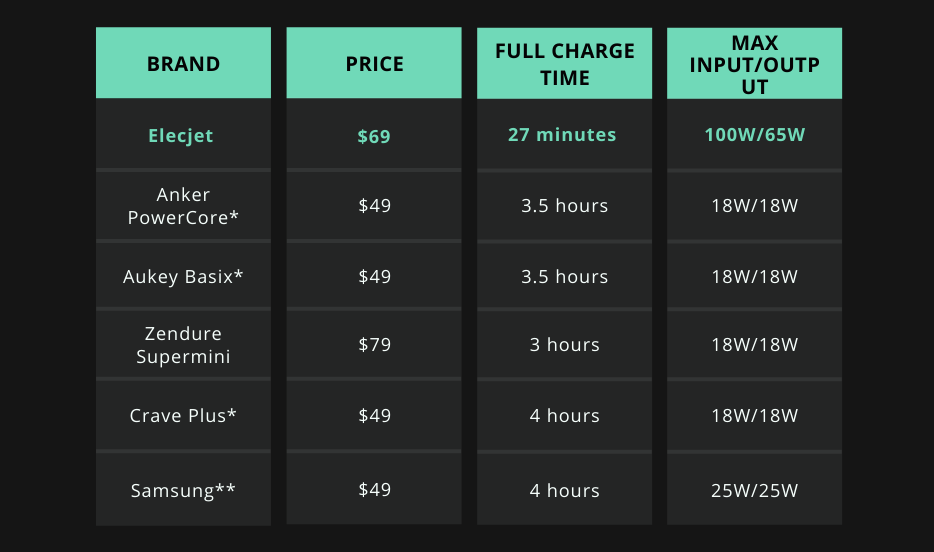
Selecting the proper charger isn’t optional—it’s critical for both speed and battery health. Your power bank’s capacity directly determines what charger you need for optimal performance.
Match Charger Output to Power Bank Size
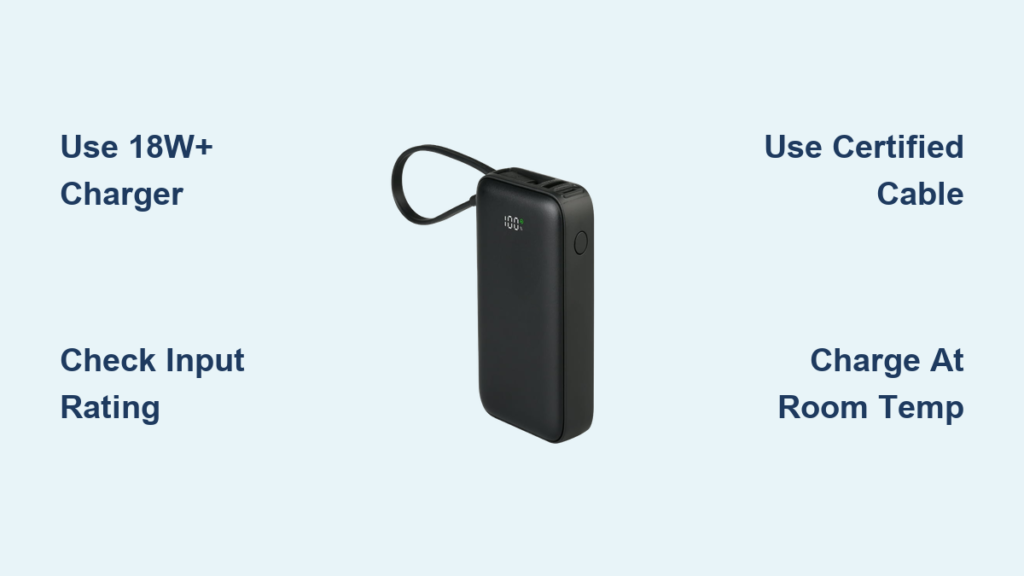
Using an underpowered charger for a high-capacity power bank creates unnecessary frustration. For a 5,000mAh power bank, a basic 10W (5V/2A) charger works adequately, but larger models demand more power. A 10,000mAh unit requires at least an 18W PD charger, while 20,000mAh models need a minimum 30W PD charger. The charging time difference is staggering—using a weak charger on a large power bank can double or triple your waiting time.
Identify Essential Charger Safety Features
Your charger must include critical safety protections to prevent damage to your power bank:
– Over-voltage protection (cutoff at 4.25V/cell maximum)
– Temperature monitoring (automatic shutdown above 60°C/140°F)
– Short circuit protection with auto-reset fusing
– Reversed polarity protection
Never compromise on charger quality. Look for UL, CE, FCC, RoHS, and ETL certifications—these indicate the charger meets rigorous safety standards. Cheap, uncertified chargers often skip these essential protections to cut costs.
Step-by-Step: Optimal Power Bank Charging Process
Follow this precise sequence to charge your power bank efficiently while maximizing its lifespan. Skipping any step can reduce performance or create safety hazards.
Pre-Charging Inspection Checklist
Before connecting anything, verify these critical elements:
1. Examine the power bank for physical damage or swelling
2. Confirm input port compatibility (USB-C, Micro-USB, or Lightning)
3. Check that your charger’s output matches the power bank’s input requirements
4. Inspect cables for fraying or damaged connectors
Connection Protocol for Maximum Efficiency
Connect components in this specific order for optimal results:
1. Connect your high-quality cable to the power bank’s input port first
2. Attach the other end to your compatible charger
3. Finally, plug the charger into a wall outlet (not a computer USB port)
This sequence prevents electrical spikes that can damage sensitive circuitry. Always use the manufacturer-supplied cable or a certified replacement—cheap cables often can’t handle required current, creating dangerous bottlenecks.
Fast-Charging Technologies That Actually Work
Not all “fast charging” claims deliver real results. These protocols provide genuine speed improvements when properly implemented.
USB Power Delivery (USB-PD) Implementation
USB-PD offers the most universal fast-charging solution across brands:
– For 10,000mAh power banks: Use a 30W GaN charger with USB-C to USB-C cable
– For 20,000mAh+ models: Upgrade to 45W+ GaN PD charger with PPS support
– Always verify your specific power bank supports USB-PD before purchasing
The difference is dramatic—a 20,000mAh power bank charges in 4-6 hours with 30W PD versus 12-14 hours with a standard 10W charger.
Dual Input Charging for Maximum Speed
Some high-end power banks feature two USB-C input ports. When both ports receive power simultaneously:
– Charging time decreases by up to 50%
– Heat distribution improves significantly
– Stress on individual charging circuits reduces
Check your manual to confirm if your model supports this feature before attempting dual-input charging.
Critical Safety Protocols for Power Bank Charging
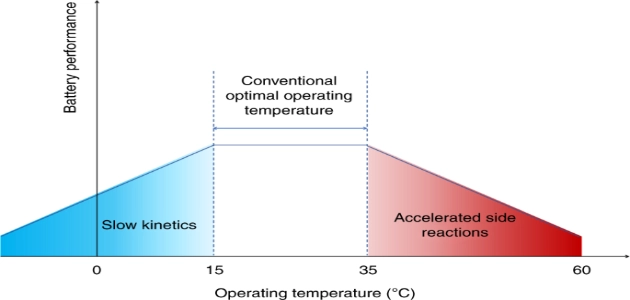
Ignoring these safety measures risks fire hazards and permanent damage to your power bank.
Temperature Management Essentials
Lithium batteries operate safely only within specific temperature ranges:
– Ideal charging range: 10°C to 30°C (50°F to 86°F)
– Warning threshold: Discontinue charging if case exceeds 50°C (122°F)
– Danger zone: Never charge below 0°C or above 45°C (32°F to 113°F)
Monitor temperature with an infrared thermometer during initial charges. Remove protective cases during charging to improve heat dissipation, and always charge on hard, non-flammable surfaces with at least 2-inch clearance for ventilation.
Emergency Response Procedures
If you notice any of these warning signs, act immediately:
– Swelling battery: Discontinue use and place in fire-safe container
– Overheating: Unplug immediately and move to non-flammable surface
– Unusual sounds: Hissing or popping requires immediate disconnection
Never ignore these warning signs—lithium battery issues can escalate rapidly.
Troubleshooting Common Power Bank Charging Issues

Solve these frequent problems with targeted solutions rather than replacing your device prematurely.
Slow Charging Diagnosis and Fix
When your power bank charges slower than expected:
1. Verify your charger outputs at least 2.4A for modern power banks
2. Replace the cable with a certified high-current version (20AWG or lower)
3. Check for temperature-related throttling (move to cooler environment)
4. Clean USB ports with isopropyl alcohol to remove debris
Most “slow charging” issues stem from using underpowered chargers or poor-quality cables—not faulty power banks.
Non-Charging Power Bank Recovery
If your power bank shows no charging indicators:
– Try different wall outlets to rule out power source issues
– Test with multiple certified cables and chargers
– Inspect input ports for lint or debris using a toothpick
– Leave connected for 15 minutes before assuming failure
Many seemingly dead power banks simply need a “jump start” from a compatible high-wattage charger.
Maximizing Power Bank Lifespan Through Proper Charging
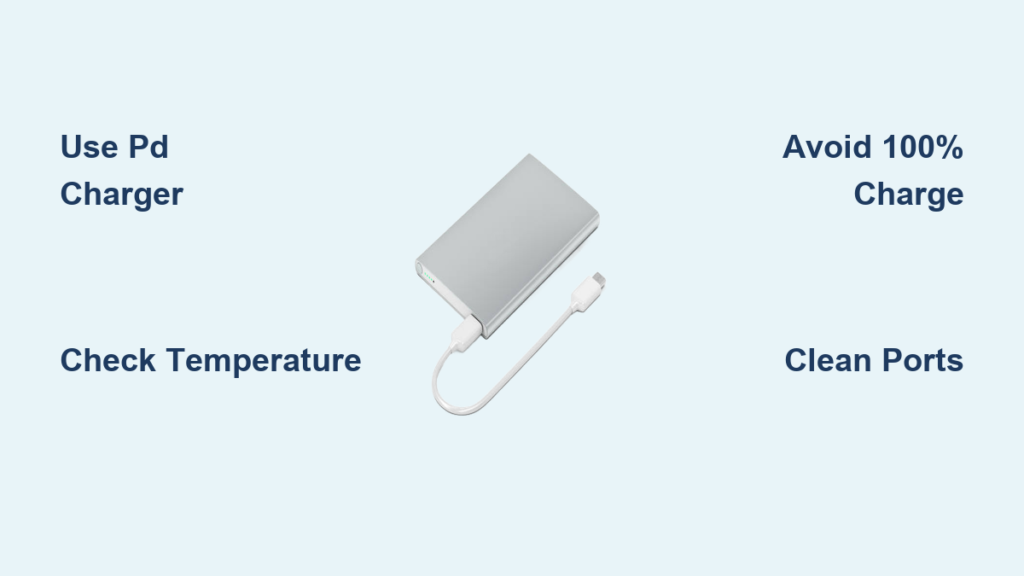
Your charging habits directly determine how many years your power bank remains useful. Lithium batteries typically deliver 500-1000 charge cycles before dropping to 80% capacity.
The 20-80% Charging Sweet Spot
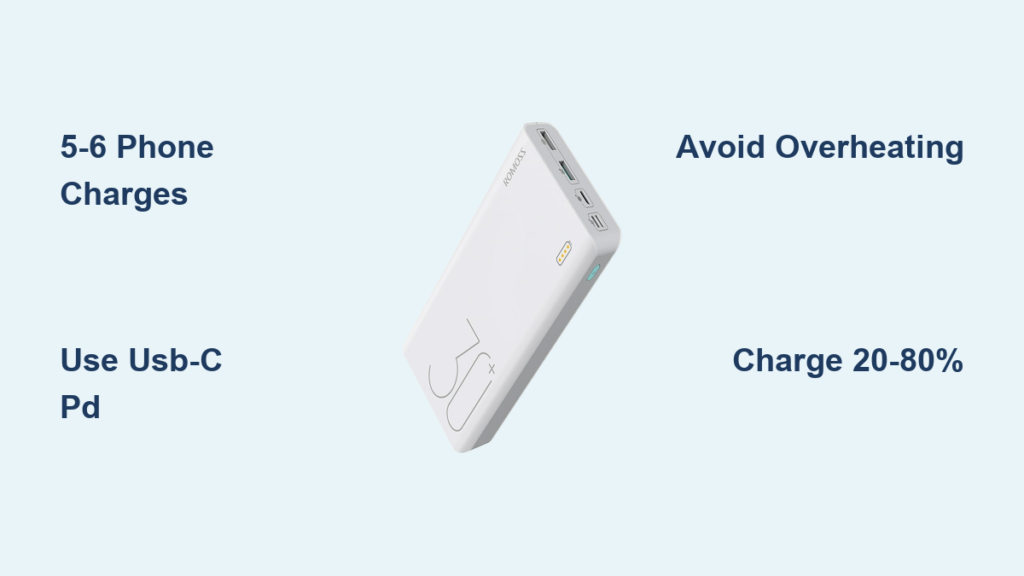
For daily use, keep your power bank between 20-80% charge:
– Avoid frequent full discharges below 20%
– Limit time spent at 100% charge
– Full charge cycles only needed for long trips
This practice significantly reduces battery stress, extending usable life by 30-50% compared to regular full-cycle charging.
Long-Term Storage Protocol
When storing your power bank for extended periods:
1. Charge to 40-60% before storage
2. Store in cool, dry place between 15-25°C (59-77°F)
3. Perform full discharge/charge cycle every 3 months
4. Keep away from metal objects that could cause short circuits
Following this protocol prevents capacity degradation during storage periods.
Power Bank Charging Time Reference Guide
| Power Bank Capacity | Minimum Charger | Recommended Charger | Charge Time |
|---|---|---|---|
| 5,000mAh | 10W (5V/2A) | 18W PD | 3-4 hours |
| 10,000mAh | 18W PD | 30W GaN | 4-5 hours |
| 20,000mAh | 30W PD | 45W+ GaN | 6-7 hours |
| 27,000mAh+ | 45W PD | 65W+ GaN | 8-9 hours |
Based on 85% charging efficiency and proper temperature conditions
Pro Tip: For daily use, charge to 80% rather than 100%—this reduces battery stress while providing ample power for most needs. Reserve full charges for extended trips when you need maximum capacity.
Mastering the best way to charge a power bank transforms it from a frustrating accessory into a reliable power solution. By matching your charger to your power bank’s specifications, following proper charging protocols, and implementing these lifespan-extending techniques, you’ll ensure your device delivers peak performance for years. The small effort required to charge correctly pays massive dividends in reliability, speed, and longevity—keeping your essential devices powered whenever you need them most.