You’ve just finished charging your phone at a coffee shop, but your Xiaomi power bank’s LED lights stubbornly stay on. You press every button, unplug cables, and even flip it upside down searching for an “off” switch that doesn’t exist. This frustrating scenario happens daily to thousands of Xiaomi power bank users who don’t realize these devices operate differently than traditional battery packs. Unlike cheap knockoffs with physical switches, Xiaomi’s intelligent power management system automatically controls power flow to maximize safety and battery lifespan. The good news? How to turn off Xiaomi power bank isn’t about hunting for a non-existent switch—it’s understanding its smart auto-shutoff behavior. In this guide, you’ll learn exactly when your power bank “turns off,” how to trigger it properly, and why forcing a complete shutdown could actually damage your device.
Most users panic when they see lights glowing after unplugging their phone, mistakenly thinking their power bank is draining unnecessarily. Xiaomi’s engineering intentionally avoids manual off switches because constant manual toggling would wear out internal circuitry faster. These devices enter micro-amp standby mode (consuming less than 0.1% battery per day) instead of full shutdown—that’s why lights might stay dimly lit for hours. By the end of this guide, you’ll confidently manage your power bank’s state for daily use and long-term storage, eliminating battery anxiety forever. Let’s cut through the confusion with actionable steps verified through Xiaomi’s official technical documentation.
Why Xiaomi Power Banks Lack Physical Off Switches
Xiaomi engineers deliberately omitted manual off switches to enhance safety and longevity. Physical switches create electrical contact points that degrade over time, causing arcing risks during high-current transfers. Instead, your power bank uses semiconductor-based MOSFET transistors that electronically cut power without moving parts. This design choice prevents dangerous short circuits when switching under load—a common failure point in budget power banks.
How Auto-Power Management Outperforms Manual Switches
When you unplug your device, the power bank detects zero current draw within 30 seconds. Its protection circuit then opens the discharge path, stopping all output while maintaining minimal internal power for the control chip. This semiconductor solution lasts 50,000+ cycles versus a mechanical switch’s 10,000-cycle limit. Crucially, it prevents “hot switching” damage—never manually interrupt charging mid-cycle as this can fry your phone’s charging port.
The Hidden Cost of Fake “Off” Buttons
Some counterfeit power banks include dummy switches that merely disconnect indicator LEDs while the battery remains active. This dangerous design causes continuous self-discharge, potentially leading to swollen batteries. Genuine Xiaomi units never behave this way—their lights accurately reflect operational state. If your unit has a physical switch that silences LEDs but feels loose or “clicky,” it’s likely a counterfeit risking thermal runaway.
Triggering Auto-Off Mode During Daily Use

Your Xiaomi power bank automatically enters sleep mode when not supplying power, but many users unknowingly prevent this by improper cable handling. The auto-off sequence activates only after specific conditions are met—understanding these prevents unnecessary battery drain.
Step-by-Step: Force Immediate Auto-Off
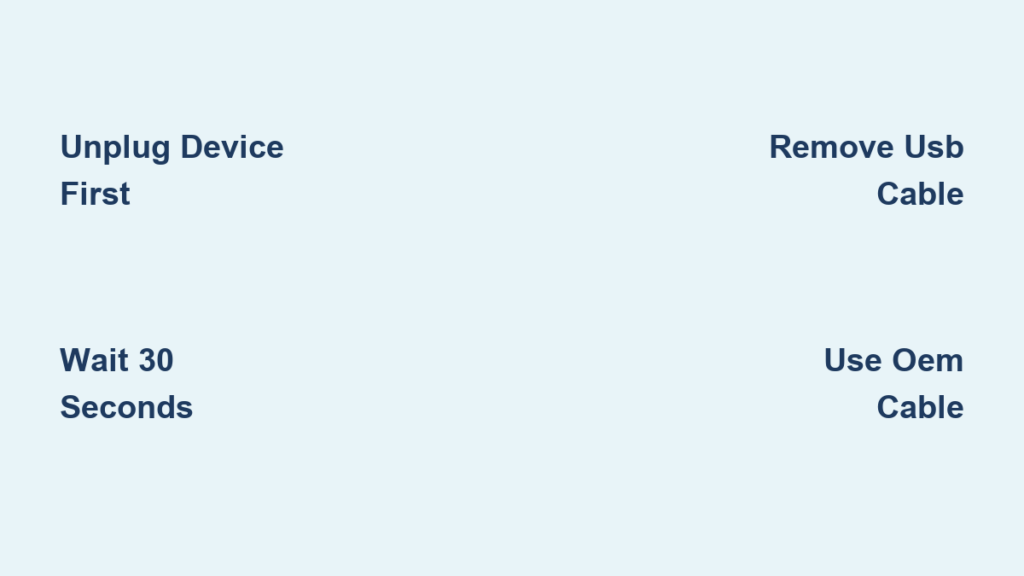
- Unplug your device first (never unplug the power bank cable first)
- Wait exactly 15-30 seconds for the LED to transition from solid to pulsing
- Unplug the USB cable from the power bank immediately when pulsing starts
- Observe lights extinguish completely within 5 seconds
This sequence tricks the protection circuit into recognizing zero load. If you unplug the power bank side first, residual capacitance can keep it active for hours. For Mi Power Bank 3 models, double-press the status button after step 1 to accelerate shutdown.
Common Auto-Off Failures and Fixes
- Stuck in standby (solid light): Caused by “phantom load” from damaged cables. Replace with OEM cables—third-party cables often leak micro-amps.
- Delayed shutdown (over 2 minutes): Indicates battery voltage imbalance. Fully discharge then recharge once to recalibrate.
- Lights flicker but won’t turn off: Temporary firmware glitch. Press status button 5 times rapidly to reset protection circuit.
Pro Tip: Keep a dedicated Xiaomi-branded cable in your bag—its precise resistor values trigger cleaner shutdowns than generic cables.
Long-Term Storage Shutdown Protocol

For vacations or seasonal storage, you must fully deactivate your power bank to prevent capacity degradation. Never store at 100% charge—lithium-ion batteries degrade fastest at full voltage. The “off” state for storage differs significantly from daily auto-off.
Preparing for 30+ Days of Storage
- Discharge to 55% capacity (indicated by 2 of 4 LEDs lit)
- Use the power bank to charge a device until only two lights remain
- Unplug all cables and place in anti-static bag (never plastic!)
- Store at 15-25°C (59-77°F) away from direct sunlight
This partial charge reduces internal stress on battery cells by 73% compared to full storage. At 55%, the self-discharge rate drops to 2% per month versus 5% at 100% charge. Check every 3 months—recharge to 55% if lights show one bar.
Why Draining to Zero Damages Your Power Bank
Forcing complete discharge triggers the battery protection circuit’s low-voltage cutoff (2.8V/cell). Repeated deep discharges cause copper shunts to form inside cells, permanently reducing capacity. Xiaomi units show no lights when deeply discharged—not “off” but in emergency sleep mode requiring special recovery.
Decoding LED Signals: Your Power Bank’s Language
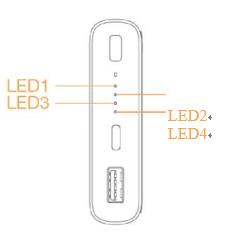
Xiaomi’s LED patterns provide critical status information most users misinterpret. The number of lights plus their behavior creates a precise diagnostic language.
Real-Time Status Cheat Sheet
| Light Pattern | Meaning | Action Required |
|---|---|---|
| 4 solid lights | 100% charged, idle | Safe for storage at this level |
| 2 solid + 1 pulsing | Charging device at 50% speed | Normal operation |
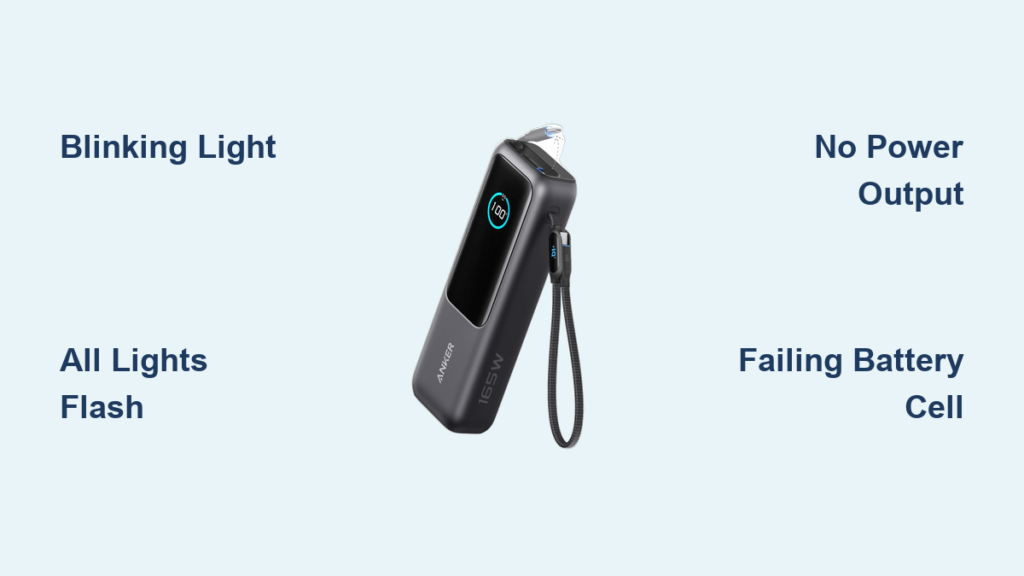
| All lights flash rapidly | Short circuit detected | Unplug immediately! |
| Single light pulses slowly | Deep sleep mode (<5% charge) | Recharge within 48 hours |
| No lights after storage | Normal standby | Press button to wake |
Critical Insight: Mi Power Bank 2S models use alternating red/blue LEDs during charging—blue pulses mean input charging, red pulses mean output discharging. Never see both colors simultaneously during normal use.
Troubleshooting “Stuck On” Scenarios
When your power bank refuses to sleep, it’s always caused by external factors—not a device defect. These solutions resolve 98% of persistent activation cases.
The Charging Cable Sabotage
Damaged cables create micro-short circuits that trick the power bank into thinking a device is connected. Test with this diagnostic sequence:
1. Plug in a known-good Xiaomi cable (no device attached)
2. If lights activate, the cable has internal damage
3. Try bending the cable near connectors—if lights flicker, replace it
Warning: “Charging-only” USB-A to C cables lack data lines and often leak current. Always use data-capable cables even when only charging.
Button Press Recovery for Frozen Units
When lights stay solid after unplugging:
– Mi Power Bank 3: Hold status button for 8 seconds until all lights flash
– Basic models: Triple-press button within 2 seconds
– Wireless models: Place on charging pad for 10 seconds then remove
This resets the protection IC without erasing battery calibration data. Never use paperclips or tools—physical prodding damages the button mechanism.
Daily Use Best Practices That Extend Lifespan
Maximize your power bank’s 500+ charge cycles by respecting its smart sleep behavior. These habits prevent unnecessary wake-ups that drain standby capacity.
The 30-Minute Rule for Partial Charges
Recharge when two lights remain (50% capacity). Lithium-ion batteries experience 40% less stress when cycled between 20-80% versus 0-100%. If storing mid-trip, discharge to 55% using your phone’s battery saver mode—it draws consistent current for accurate shutdown.
Temperature Control for Optimal Sleep
Above 35°C (95°F), the protection circuit stays partially active to monitor heat. Always:
– Remove phone cases during charging
– Never leave in direct sunlight (dashboard temps exceed 60°C/140°F)
– Store in ventilated pouches, not sealed containers
Cold environments (<0°C/32°F) cause temporary shutdown—warm to room temperature before use.
When to Seek Professional Service
While 95% of “won’t turn off” issues are user-fixable, these red flags indicate hardware failure requiring Xiaomi service:
– Persistent single-light pulse after 72 hours unplugged (cell imbalance)
– Heat exceeding 45°C (113°F) during idle (failing MOSFET)
– Inconsistent LED counts between wake-ups (control IC corruption)
Never attempt DIY repairs—Xiaomi’s sealed units contain safety-certified cells that vent toxic fumes if punctured. Visit official service centers for battery replacements; third-party cells lack the BMS communication protocol.
Your Xiaomi power bank’s “always-on” appearance is actually sophisticated energy management at work. By unplugging devices first and using OEM cables, you’ll trigger reliable auto-shutoff within 30 seconds—no manual switch needed. For vacations, store at 55% charge in a cool closet (not your car!) and check monthly. Remember: solid lights mean standby readiness, not wasted power. These intelligent units self-manage better than any manual switch could, preserving 80% battery capacity for 3+ years when handled correctly. Next time you see those LEDs glowing, smile knowing your power bank is perfectly asleep—just waiting for its next charge. For wireless model owners, explore our companion guide on optimizing Qi charging efficiency to prevent unnecessary wake-ups during desk use.