You bought a power bank for emergencies, but it’s been sitting in your drawer for months. When disaster strikes and you reach for it, will it actually work? This is the silent crisis facing millions of power bank owners who assume their backup power source remains reliable during storage. The truth is, how long does a power bank last if not used depends on factors you can control—not just time. Stored properly, your power bank could deliver emergency power after 3-5 years. Neglect it, and it might fail within a year.
Lithium-ion technology powers nearly all modern power banks, but these batteries degrade even when idle. Unlike your phone that you use daily, an emergency power bank faces unique challenges from prolonged inactivity. Most users don’t realize that storing a power bank at 100% charge or leaving it completely drained can permanently damage the battery chemistry. This guide reveals exactly how long your unused power bank will last, the science behind battery degradation, and the simple storage practices that ensure it’s ready when you desperately need it.
Why Your Unused Power Bank Loses Capacity Over Time
Power banks don’t expire like milk, but their lithium-ion or lithium-polymer batteries degrade through two silent processes even while sitting untouched. Calendar aging causes irreversible chemical changes in the battery regardless of use, while self-discharge gradually drains the stored energy. A high-quality power bank stored perfectly might retain 70-80% of its original capacity after 3-5 years, but most deteriorate faster due to poor storage habits.
How Much Capacity Disappears While Your Power Bank Sleeps
Lithium-based batteries typically lose 1-5% of their charge per month through self-discharge, but the real damage comes from chemical aging. At room temperature (20°C/68°F), expect these capacity losses:
- After 1 year: 10-20% capacity loss (80-90% remaining)
- After 2 years: 25-30% capacity loss (70-75% remaining)
- After 3 years: 30-40% capacity loss (60-70% remaining)
- After 5 years: 40-60% capacity loss (40-60% remaining)
Why Your Fully Charged Power Bank Degrades Faster

Storing your power bank at 100% charge dramatically accelerates degradation. When lithium-ion cells remain fully charged for extended periods, the high voltage stresses the cathode material, causing faster breakdown of the electrolyte. Power banks stored at full charge degrade 20-30% faster than those stored at optimal levels—a critical mistake most emergency preppers make.
The 4 Storage Factors That Make or Break Your Power Bank’s Lifespan

Charge Level: The Make-or-Break Factor You Control
Your power bank’s charge level during storage is the single biggest factor determining its longevity. Lithium-ion batteries suffer most at the extremes:
- 100% charged: Creates maximum chemical stress, accelerating degradation by up to 30%
- 0% charged: Risks “deep discharge” where protection circuits fail, permanently damaging cells
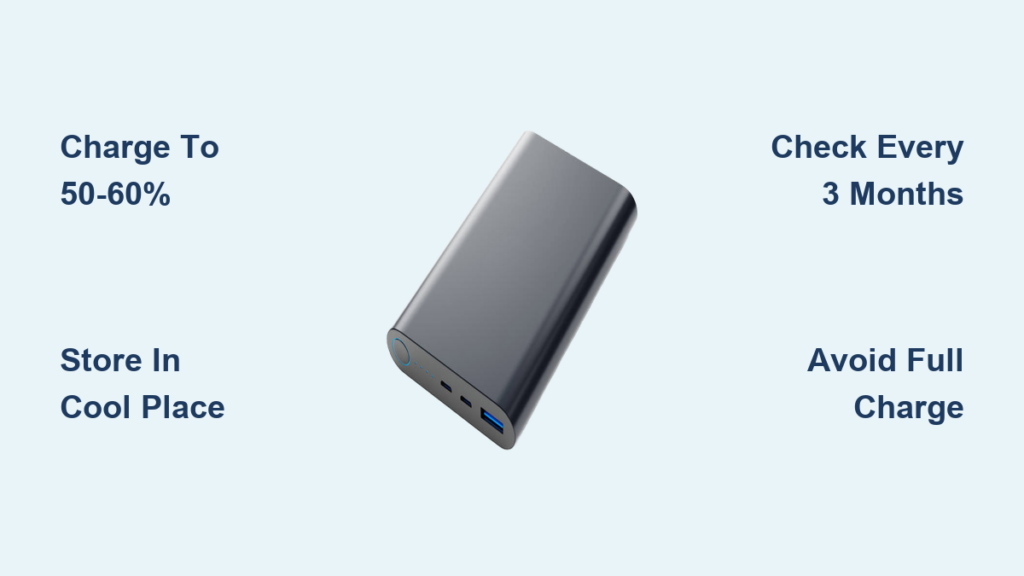
- 50-60% charged: The scientific sweet spot that minimizes stress while preventing deep discharge
Pro Tip: Before storing your emergency power bank, charge it to exactly 50-60%—not more, not less. This single step can double its usable shelf life compared to storing it fully charged.
Temperature: The Silent Power Bank Killer
Heat is the #1 enemy of lithium-ion batteries. For every 10°C (18°F) increase above 25°C (77°F), chemical reactions inside the battery double, dramatically accelerating degradation. Compare these storage scenarios:
- Power bank stored at 20°C (68°F): Lasts 3-5 years with proper care
- Power bank stored at 30°C (86°F): Lasts 2-3 years
- Power bank stored at 40°C (104°F): May fail in under 18 months
Critical Mistake to Avoid: Never store your power bank in a car glove compartment, attic, or garage—places that experience extreme temperature swings. Even 2-3 hot summer months in a parked car (where temperatures exceed 60°C/140°F) can permanently damage your battery.
The Quarterly Charge Check That Saves Your Power Bank
Self-discharge means your power bank’s charge level drops over time—even when unused. Without intervention, it could drain below the safe 20% threshold, causing permanent damage. Implement this simple 3-month maintenance routine:
- Set calendar reminders every 90 days
- Check your power bank’s charge level using its indicator lights
- If below 30%, recharge to 50-60% using a standard 5W charger
- Perform a quick visual inspection for swelling or damage
This takes less than 5 minutes but prevents the most common cause of power bank failure during storage.
Quality Matters More Than You Think
Not all power banks age equally. Premium models using Samsung, LG, or Panasonic cells maintain capacity longer and have more reliable protection circuits. Cheap, no-name power banks often use recycled or lower-grade cells that degrade faster and pose greater safety risks. Investing in a reputable brand pays off when you need emergency power years later.
Your Emergency Power Bank Preservation Protocol
Preparing for Long-Term Storage: Do This Before Stashing It Away
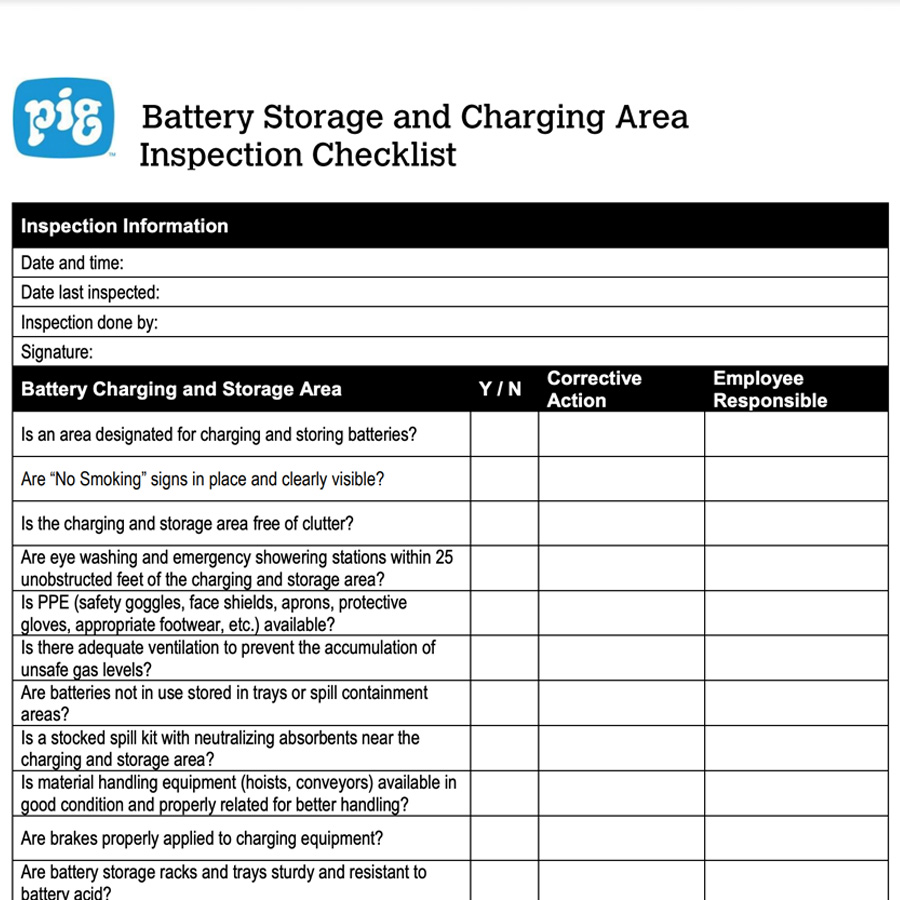
Follow these critical steps before storing your power bank for months or years:
- Charge to 50-60% using your device’s original charger—this is non-negotiable
- Clean all ports with a dry toothbrush to prevent corrosion during storage
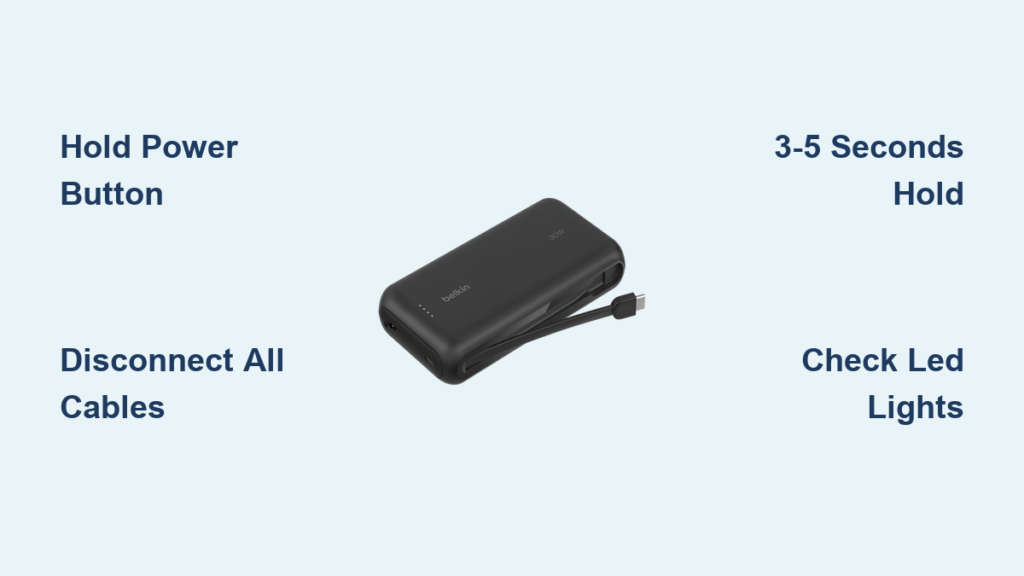
- Power down completely if your model has an on/off switch
- Store in a breathable container like a cotton sock or original box—not sealed plastic
- Keep away from metal objects that could short-circuit the terminals
Warning: Never store your power bank fully charged or completely drained. Both extremes significantly shorten its lifespan.
Reviving a Dormant Power Bank: Don’t Just Plug It In!
Found an old power bank in storage? Follow this safe reactivation process:
- Inspect carefully for swelling, leaks, or strange odors (discard immediately if present)
- Charge slowly using a 5W USB port—not a fast charger—for the first cycle
- Monitor temperature constantly—unplug if it becomes warm to the touch
- Test capacity by charging a device with known battery percentage
- Perform 2-3 normal cycles before relying on it for emergency use
Critical Safety Note: If your power bank gets hot, smells strange, or swells during recharging, stop immediately and dispose of it properly at an e-waste facility. Don’t risk fire hazards.
When Your Power Bank Has Reached Its End
Even with perfect care, all power banks eventually fail. Replace yours immediately if you notice:
- Physical changes: Swelling, leaking, or unusual heat during use
- Capacity collapse: Charges your phone less than halfway when new it provided 2+ full charges
- Rapid discharge: Loses significant charge within days of being fully charged
- Age: Any power bank older than 5 years, regardless of usage
Pro Tip: Mark your calendar with your power bank’s storage date. Most quality units reach end-of-life between 3-5 years, even with perfect storage.
Power Bank Longevity Hacks Only Experts Know
- Create a storage log: Note the initial capacity and charge level on a sticker—this helps track degradation
- Use anti-static bags: Original packaging often includes these—ideal for long-term storage
- Store vertically: Prevents pressure on internal components that could cause micro-damage
- Avoid complete discharge cycles: For storage purposes, shallow cycles (discharging to 40%, recharging to 60%) are better than full cycles
Your Power Bank Survival Checklist
Before storing your emergency power bank, ensure you’ve completed these four critical steps:
- Charge to 50-60%—not full, not empty
- Store in a cool, stable environment between 15-25°C (59-77°F)
- Schedule quarterly check-ups to maintain optimal charge level
- Perform visual inspections for damage before each storage period
Final Reality Check: Power Banks Aren’t Set-and-Forget Devices
Your emergency power bank won’t last indefinitely while unused—but with proper care, it can remain reliable for 3-5 years. The key isn’t just buying a quality unit but becoming its caretaker. That power bank in your emergency kit represents your lifeline to communication during disasters, but only if you’ve maintained it properly. By storing it at 50-60% charge in a cool, dry place and checking it quarterly, you transform it from a potential liability into a dependable resource. Don’t wait for an emergency to discover your backup power has failed—treat your power bank like the critical safety device it is, and it will be there when you need it most. The question isn’t just how long does a power bank last if not used, but how well you’ve prepared it to last. Your future self will thank you when the lights go out and your phone still has power.