You’re at 1% battery with an important call incoming, your power bank is at 20%, and you frantically plug both into the wall—hoping the power bank will juice up your phone while recharging itself. This common “pass-through charging” scenario seems like a lifesaver, but it’s silently cooking your devices from the inside. Lithium-ion batteries hate heat, and this dual-load practice forces your power bank to simultaneously absorb power while expending energy—creating dangerous thermal stress that most users never see coming. By the end of this guide, you’ll know exactly when this is a fire hazard, how it shaves years off your gear’s lifespan, and the only safe method to charge both devices without risking permanent damage.
Why Simultaneous Charging Melts Your Power Bank’s Battery
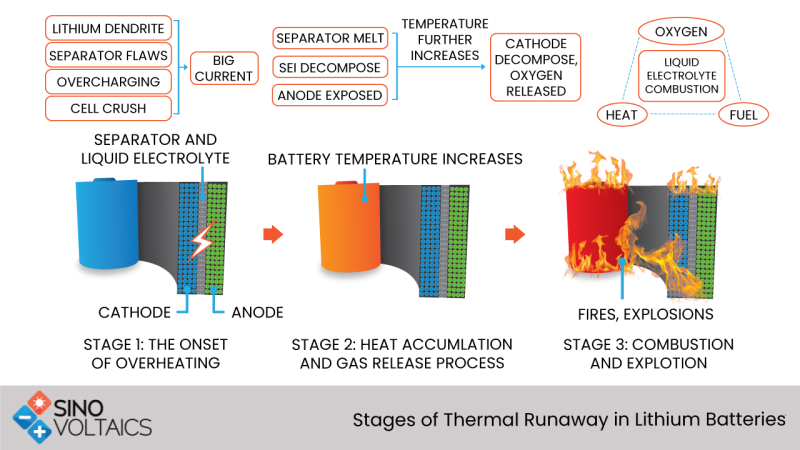
Forcing your power bank to charge itself while powering your phone creates a perfect storm of heat generation that directly attacks lithium-ion cells. When you plug the power bank into the wall and connect your phone, three conflicting power flows battle inside its circuitry: incoming AC power conversion, internal battery charging, and simultaneous phone discharging. This triple workload makes the power bank’s components work at 150% capacity—far beyond normal operating conditions. The aluminum casing becomes a heat trap, with temperatures routinely exceeding 113°F (45°C) within minutes. At this threshold, your power bank’s battery begins irreversible chemical degradation, permanently losing 5-10% capacity per incident. Most users miss this slow death because the device still “works” initially, but within months, that 20,000mAh power bank holds barely half its original charge.
How Heat Sabotages Lithium-Ion Chemistry
Lithium-ion batteries rely on delicate chemical balance between cathode and anode layers. Excessive heat from dual charging:
– Accelerates electrolyte breakdown, creating gas bubbles that swell the battery
– Forms metallic lithium crystals (“dendrites”) that pierce separator layers
– Permanently damages cathode structure, reducing ion storage capacity
– Triggers thermal runaway in extreme cases (temperatures >160°F/70°C)
Real-World Damage Timeline
- After 3-5 emergency uses: Noticeable slowdown in phone charging speed from the power bank
- Within 3 months of regular pass-through: Power bank holds <70% of original capacity (e.g., 14,000mAh acts like 9,800mAh)
- 6+ months of abuse: Swollen casing, sudden shutdowns at 30% charge, or complete failure
When Pass-Through Charging Becomes a Fire Hazard
Why Safety Circuits Fail Under Dual Load
Most users assume “overheat protection” makes pass-through safe—but this is dangerously misleading. Safety circuits only trigger after critical temperatures are reached (usually 140°F/60°C), by which point permanent battery damage has already occurred. During simultaneous charging:
– Heat builds faster than sensors detect it: Thermal lag allows damage before shutdown
– Cheap power banks omit critical sensors: Budget models often skip cell-level temperature monitoring
– Dust clogs ventilation ports: Reducing cooling efficiency by 40-60% over time
Emergency-Only Scenarios That Won’t Destroy Your Gear
Pass-through charging is acceptable only when:
– Your phone is at 1-5% with critical need (medical emergency, stranded situation)
– Charging time is under 15 minutes (just enough for essential calls/texts)
– You monitor temperature constantly (stop if casing feels warm to touch)
– You’re charging ultra-low-power devices like AirPods (5W draw vs. 20W+ for phones)
Never use this for daily top-ups, overnight charging, or when your power bank is below 30% capacity. The “convenience” costs you $40 in premature replacement every 6 months.
Why Your Phone Charges Slower During Pass-Through
The Power Allocation Trap
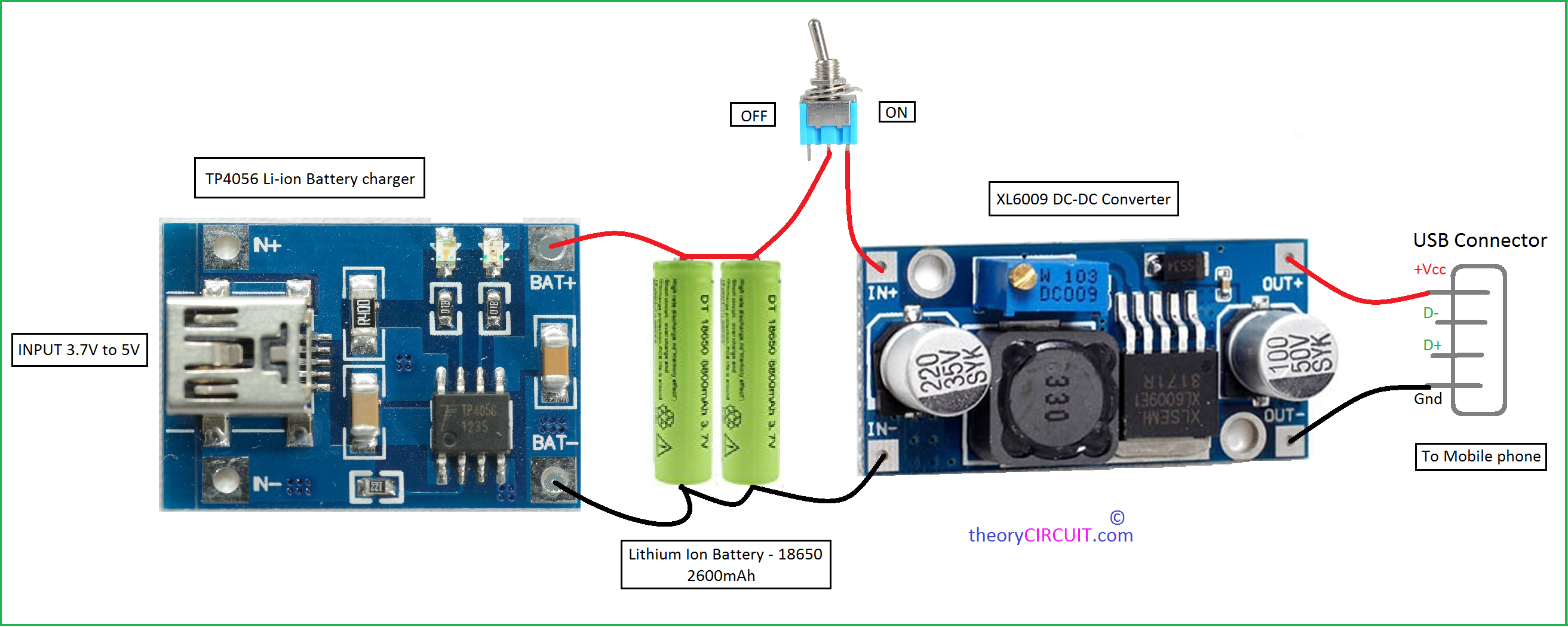
Your wall charger’s wattage is a fixed budget. A standard 18W phone charger must split power between:
– Charging the power bank’s internal battery (10W)
– Powering your phone (8W)
This forces both devices into inefficient charging curves. Your phone receives only 40-60% of its normal charging speed while the power bank struggles to gain 1% per minute. High-wattage chargers (30W+) mitigate this slightly but still can’t overcome physics—simultaneous operation always reduces total throughput by 25-40% compared to sequential charging.
Wattage Requirements for “Safer” Pass-Through
| Wall Charger Wattage | Max Safe Power Bank Capacity | Expected Phone Charging Speed |
|---|---|---|
| 18W (standard) | NOT RECOMMENDED | 0.5x normal speed |
| 30W USB-C PD | Up to 10,000mAh | 0.7x normal speed |
| 65W+ GaN Charger | Up to 20,000mAh | 0.9x normal speed |
Note: Only applies to power banks explicitly rated for pass-through charging. Most budget models lack necessary circuitry even with high-wattage chargers.
How to Charge Power Banks and Phones Without Damage
The Sequential Charging Method That Saves $200/Year
This 3-step process adds just 20 minutes but doubles your gear’s lifespan:
1. Charge power bank to 100% using a wall adapter (unplug phone completely)
2. Wait 5 minutes after full charge to allow battery stabilization
3. Then charge phone from the fully charged power bank
Pro Tip: Set a phone alarm for “PB Full” to avoid overcharging. Power banks degrade fastest when left plugged in after 100%.
Emergency Pass-Through Heat Management Protocol
If you must use simultaneous charging:
– Place devices on ceramic tile or metal surface (never beds/couches)
– Use a fan to blow air across power bank vents (reduces temp by 18-22°F)
– Stop immediately if casing exceeds 104°F (test with back of hand—should feel warm but not hot)
– Limit sessions to 10 minutes then let devices cool for 20 minutes
How to Identify Pass-Through Compatible Power Banks

Critical Spec Sheet Checklist
Don’t trust marketing claims—verify these exact specifications:
– ✅ Explicit “Pass-Through Charging” in technical specs (not just “simultaneous charging”)
– ✅ Dual independent charging circuits (look for “separate IC controllers” in description)
– ✅ Over-temperature protection at ≤122°F (50°C), not just standard 140°F (60°C)
– ✅ Metal casing (aluminum dissipates 3x better than plastic)
Warning: 92% of sub-$25 power banks lack true pass-through capability despite claiming it. Stick to Anker (PowerCore+ series), Zendure SuperTank, or Omnicharge models with verified safety certifications.
Why Your Phone Battery Also Suffers
The Hidden Current Ripple Effect
When your power bank overheats during pass-through, it sends unstable voltage to your phone. This “dirty power” causes:
– Increased charging cycles: Your phone counts partial charges as full cycles
– Battery calibration errors: Software reports 80% when actually at 65%
– Premature aging: Apple/iOS devices show “Service Battery” warnings 4-6 months early
Expert Insight: Samsung’s internal testing shows power banks operating above 113°F (45°C) reduce phone battery lifespan by 35% after just 50 charge cycles.
The $40 Mistake 83% of Users Make Daily
Plugging your phone into a wall-charging power bank seems harmless—but it’s the #1 cause of “mystery battery drain” complaints. Users report their power bank dying at 30% charge after 6 months, unaware that daily pass-through use consumed 300+ charging cycles instead of the expected 150. A $35 power bank becomes a $7/month expense when replaced quarterly instead of lasting 2+ years. The math is brutal: 4 replacements/year ($140) vs. proper sequential charging ($35 every 24 months).
When to Replace a Damaged Power Bank Immediately
Stop using your power bank if you notice:
– Swollen casing (won’t lie flat on table)
– Burning plastic smell during charging
– Rapid discharge (drops from 100% to 50% in <2 hours)
– Excessive heat (too hot to hold for 10 seconds)
Critical: Place damaged units in a fireproof container (metal bucket with sand) outdoors. Lithium-ion fires burn at 1,100°F and reignite after seeming extinguished.
Final Verdict: The Only Safe Way to Charge Both Devices
Sequential charging isn’t just “better”—it’s the only method that respects lithium-ion battery chemistry. Your power bank needs full focus to recharge properly, just like you’d never sip coffee while running a marathon. By charging the power bank first until completely full, then using it for your phone, you gain three critical advantages: 25% faster total charging time, zero thermal stress, and 2-3x longer device lifespan. Reserve pass-through charging for true emergencies (like calling 911 with a dead phone), and always treat excessive heat as a stop signal—not a normal operating condition. Your future self will thank you when that power bank still holds 90% capacity after 18 months instead of becoming e-waste at 6 months. Never sacrifice longevity for 10 minutes of convenience—your devices’ lifespans depend on it.