Power strips are everywhere—in homes, offices, entertainment centers, and garages. They expand your outlet access and often promise to protect expensive electronics from power surges. But how long can power strips last, really? The answer depends on type, usage, and environment. While basic power strips without surge protection may function for decades, surge-protected models typically last only 2 to 5 years before their protective capabilities degrade.
This guide breaks down everything you need to know about power strip longevity, including expert replacement rules, failure indicators, and best practices for protecting your gear. You’ll learn when to replace your strip, what signs indicate it’s past its prime, and how to extend its life safely.
Surge Protector Lifespan: 2–5 Years
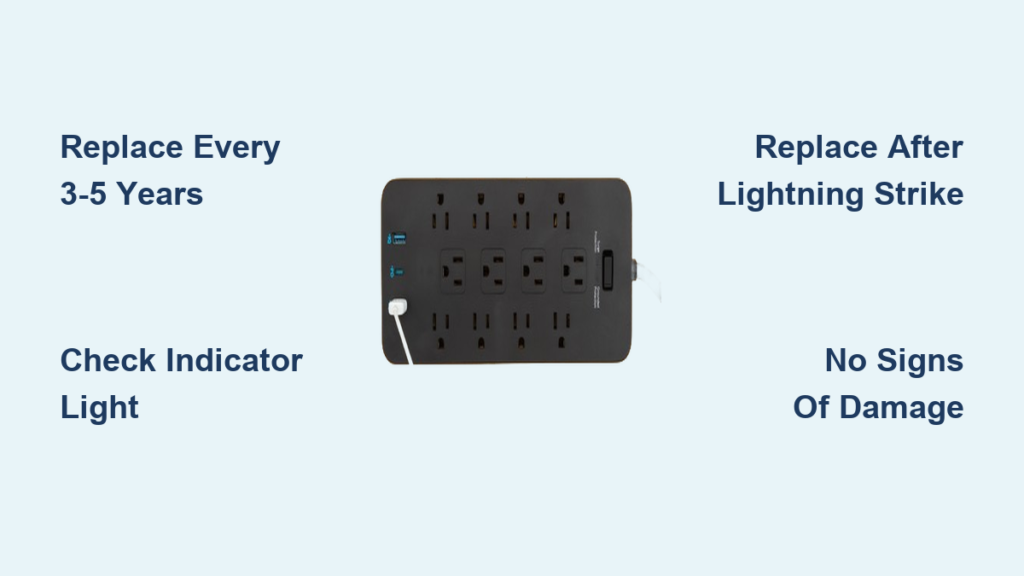
Most surge-protected power strips have a functional lifespan of 2 to 5 years, even under normal conditions. After that window, surge protection may be compromised even if the strip still delivers power.
Why Protection Fails Over Time
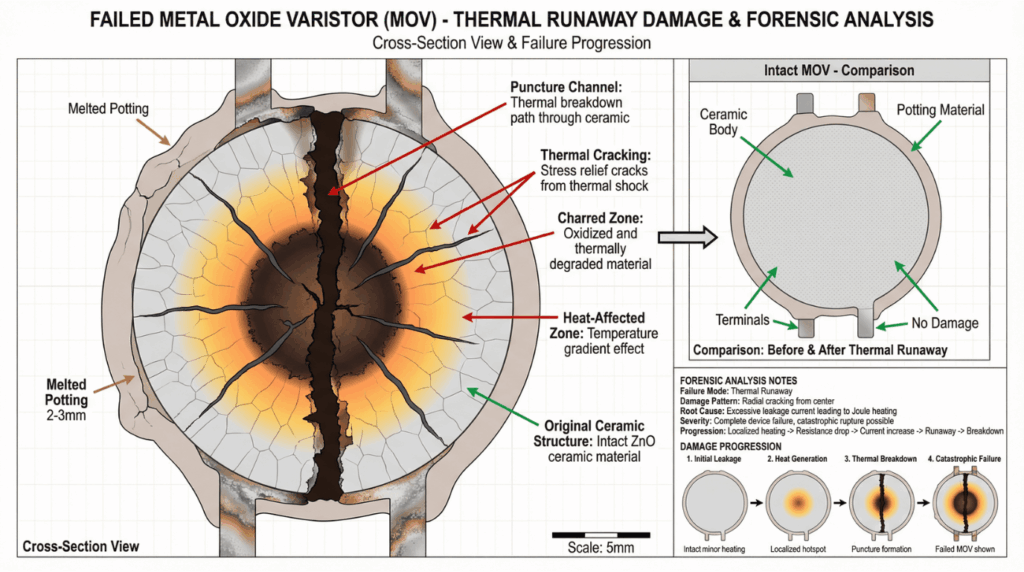
Surge protectors do not die all at once. Instead, their internal components degrade gradually with each surge event. The key player is the metal oxide varistor (MOV), which absorbs excess voltage by diverting it to ground. Every time an MOV activates, it sustains microscopic damage. Eventually, this cumulative stress reduces its ability to clamp voltage effectively.
Once the MOV fails, it may become an open circuit (no power delivery) or worse, a short circuit (power flows but no protection). Some models include thermal fuses that disconnect failed MOVs to prevent overheating and fire hazards.
High-Risk Areas Need Faster Replacements
If you live in a region with frequent storms, unstable power grids, or regular outages, consider replacing surge protectors every 2 to 3 years. Power restoration after outages often causes damaging surges that exhaust protective capacity quickly.
Non-Surge Power Strips: Can Last Decades
Basic power strips without surge protection can last 10 years or longer, sometimes even 20 to 30 years, if they are not overloaded, free from physical damage, and used in dry, cool environments. These units simply act as extension cords with multiple outlets. As long as the wiring and casing remain intact, they will continue working.
However, longevity does not mean safety. Even non-surge strips should be inspected regularly for:
• Frayed cords
• Loose outlets
• Discoloration or melting
• Overheating during use
Never use basic power strips for high-wattage appliances like space heaters or air conditioners.
Whole-House Surge Protectors: 5–20+ Years
For whole-home protection, whole-house surge protectors are installed at the main electrical panel. These units typically last 5 to 10 years, with premium models enduring 10 to 20 years or more.
They offer several advantages:
• Protect all circuits simultaneously
• Handle larger surges (50 to 200 kA) than plug-in models
• Reduce wear on point-of-use protectors
Because they require professional installation and periodic checks, they are ideal as a first line of defense, paired with plug-in protectors for sensitive electronics.
Key Factors That Shorten Lifespan
Surge Frequency and Intensity
Every surge, big or small, takes a toll. Common sources include lightning strikes (major, catastrophic surges), utility switching (grid adjustments), and appliance cycling (refrigerators, HVAC systems). Even minor internal surges from motor startups can degrade MOVs over time. In storm-prone areas, surge protectors may need replacement every 2 to 3 years.
Build Quality and Certification
Higher-quality surge protectors use multiple MOVs for redundancy, thermal fuses to prevent fires, UL 1449 certification (safety standard), and robust housing and wiring. Low-cost models often cut corners, using undersized components that fail prematurely.
Overloading and Heat Build-Up
Plugging in high-draw devices like space heaters or microwaves can overheat the strip, damage insulation, and accelerate component wear. Most surge protectors are rated for 15 amps (1,800 watts). Exceeding this limit increases fire risk and shortens lifespan.
Never daisy-chain power strips. This practice is a leading cause of residential electrical fires.
Environmental Conditions
Heat, humidity, dust, and physical stress all contribute to degradation. Using a power strip behind furniture (traps heat), in garages or basements (moisture exposure), or outdoors without weatherproofing can drastically reduce its life. Always use outdoor-rated models for seasonal lighting or exterior equipment.
Signs Your Surge Protector Is Failing
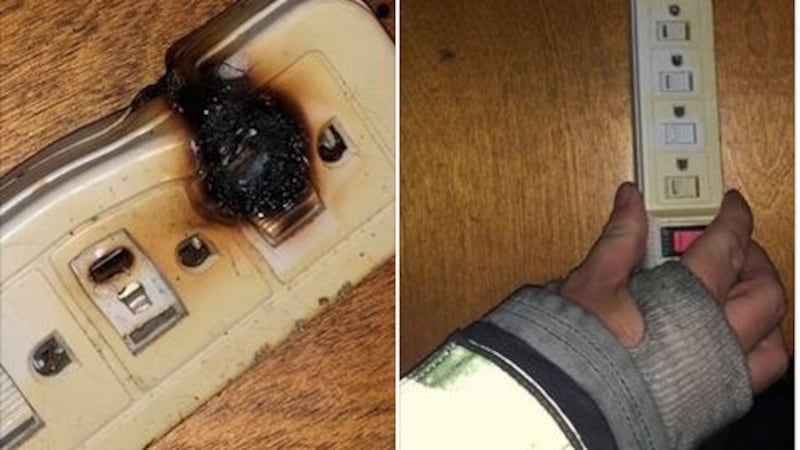
Even if your devices still turn on, your surge protector might be dead inside. Watch for these red flags.
Indicator Light Is Off
Most surge protectors have an LED light indicating active protection. Green or blue means protection active, while red or off means protection failed. If the light is out, replace the unit immediately, even if it still powers devices.
Models like the APC P12U2 and Tripp Lite SUPER7B include failsafe mechanisms that cut power when protection is lost, making failure obvious.
Physical Damage
Visible signs of damage mean immediate replacement:
• Burn marks, scorching, or melting
• Discoloration around outlets
• Cracks or warping in casing
• Frayed or stiff cords
Any of these issues indicate overheating or electrical stress.
Connected Devices Keep Failing
If your modem, router, or TV suddenly fails, especially after a storm, it could mean your surge protector gave out. Some units lose coaxial or Ethernet surge protection before AC protection, leaving network devices exposed.
Unusual Noises or Smells
Warning signs during operation include clicking sounds, flickering lights, burning smell, and frequent breaker tripping. These indicate serious internal problems and require immediate unplugging and replacement.
When to Replace Your Power Strip
| Scenario | Action |
|---|---|
| Age exceeds 3 to 5 years | Replace, even if no issues |
| Known major surge (lightning) | Replace immediately |
| Indicator light is off | Replace immediately |
| Physical damage observed | Replace immediately |
| Storm-prone area | Replace every 2 to 3 years |
| Daisy-chained or overloaded | Replace immediately |
Treat surge protectors like batteries. They degrade with use. Replace every 3 years as a safety baseline.
You Can’t Test Surge Protection at Home
There is no reliable way for consumers to test MOV health. Surge testers exist but require specialized equipment not available to the public.
What you can do:
• Check indicator lights regularly
• Register your product for warranty coverage
• Write the install date on the unit with a marker
• Use smart models (like TP-Link Kasa HS300) that send app alerts when protection fails
High-end industrial units may have dry contact relays for remote monitoring, but these are rare in consumer models.
Real-World Longevity: Myths vs. Reality
Some users claim their surge protector has lasted 14, 20, or even 30 years. While possible for basic power delivery, this does not mean surge protection is still active. After years of small surges, the joule capacity may be fully depleted.
One Reddit user noted: “I’ve had mine 14 years run my PC, laptop and printer off but thinking of changing it.” This reflects continued power function, not protection. MOVs degrade silently.
While a few argue the 3 to 5 year rule is profit-driven, engineering consensus confirms MOVs wear out with each surge, threshold voltage shifts over time, and cumulative damage is inevitable.
How to Extend Power Strip Life
Unplug During Storms
The simplest way to preserve your surge protector? Unplug it during thunderstorms or grid instability. This protects both the strip and your devices.
Avoid High-Wattage Appliances
Never plug in space heaters, air conditioners, microwaves, or hair dryers. These draw too much current and generate heat that degrades internal components.
Install Whole-House Protection
A whole-house surge protector at your electrical panel absorbs large surges before they enter your home, reduces burden on plug-in units, and lasts 5 to 20 years with maintenance. Pair it with point-of-use protectors for layered defense.
Choose High-Quality Models
Look for:
• Joule rating of 1,000 or higher (3,000+ for AV/gaming setups)
• kA rating of 10 kA or higher
• UL 1449 certification
• Indicator light
• Connected equipment warranty
Risks of Using Expired Surge Protectors
Fire Hazard
Failed MOVs can overheat and cause thermal runaway, leading to smoke, sparks, and fire. Outdated or overloaded power strips are a top cause of residential electrical fires.
Equipment Damage
An expired protector offers zero defense. Worse, some failed units may conduct surges directly to connected devices. High-value electronics like computers, TVs, and gaming consoles are at risk.
False Sense of Security
Because power still flows, users assume protection is active. Without a working indicator light, failure can go unnoticed for years.
Best Practices by Use Case
Holiday Lighting
December is high-risk due to increased electrical load, outdoor use, and weather exposure. Use outdoor-rated, surge-protected strips and avoid daisy-chaining.
Home Office and Gaming
Protect sensitive gear with high-joule strips (3,000+ joules), UPS units (battery backup plus surge protection), and separate circuits for heavy loads.
Whole-Home Defense
For maximum protection, install a whole-house SPD at the main panel, use plug-in protectors for TVs, computers, and routers, and add UPS for critical systems like NAS or servers. This layered approach is recommended by electricians and insurers.
Final Recommendations
For surge-protected strips, replace every 3 to 5 years, replace immediately after any major surge, never use beyond 5 years, and rely on indicator lights as your primary check.
For basic power strips, they can last decades if undamaged. Inspect monthly for wear and overheating, and never overload or daisy-chain.
For high-value electronics, use dual-layer protection with whole-house SPD and high-joule plug-in strip. Consider UPS for critical systems.
Frequently Asked Questions About Power Strip Lifespan
How often should I replace my surge protector?
You should replace your surge protector every 3 to 5 years under normal conditions. In areas with frequent storms or power outages, replace every 2 to 3 years. Replace immediately after any major surge event like a lightning strike.
Can a power strip last 20 years?
Basic power strips without surge protection can last 20 years or more if they remain undamaged and are not overloaded. However, surge-protected strips lose their protective capabilities after 2 to 5 years, even if they still deliver power.
What happens if I keep using a failed surge protector?
Using a failed surge protector puts your electronics at risk of damage from power surges. It can also create a fire hazard if the internal components overheat. Always replace immediately when the indicator light shows failure or physical damage is visible.
How do I know if my surge protector is still working?
Check the indicator light on your surge protector. A green or blue light means protection is active. A red light or no light means protection has failed. Some models with failsafe features will cut power entirely when protection is lost.
Do surge protectors really expire?
Yes, surge protectors really expire. The internal MOVs (metal oxide varistors) that absorb voltage spikes degrade with each surge event. After 2 to 5 years, their ability to protect your devices is significantly reduced, even if the strip still functions as a power source.
Can I test my surge protector at home?
You cannot reliably test your surge protector at home. Consumer-grade surge testers are not available, and the indicator light is the only practical way to check protection status. Professional electricians have specialized equipment for testing MOV functionality.
Key Takeaways for Power Strip Longevity
Surge-protected power strips typically last 2 to 5 years before their protective capabilities degrade. Non-surge strips can last decades if undamaged. Whole-house protectors offer 5 to 20 years of protection when professionally installed. The indicator light is your primary diagnostic tool for checking protection status. Replace surge protectors immediately after major surges, when the light is off, or when physical damage is visible. Always choose high-quality models with adequate joule ratings and UL 1449 certification for the best protection.