If you’ve ever unplugged your phone in the morning only to find it barely charged, you’ve asked yourself: how long does a phone charger last? This is one of the most common questions smartphone users face, and the answer might surprise you. Some chargers die in six months, while others keep working for over a decade. The difference comes down to build quality, how you use them, and a few hidden factors most people ignore.
In this guide, you’ll learn exactly what determines charger lifespan, the most common failure points, warning signs to watch for, and practical steps to make your charger last years longer. Whether you’re using an iPhone, Android, or a high-wattage USB-C charger, this breakdown will help you avoid frustration, save money, and stay safe.
Phone Charger Lifespan by Quality Tier

Charger longevity falls into three distinct categories based on build quality and component selection.
Low-Quality Chargers: 6 to 12 Months
Generic or no-name chargers bought for under $10 are built to minimize cost rather than maximize durability. These typically feature substandard wiring with thin conductors, poor strain relief at connector joints, and low-temperature-rated capacitors. Many lack basic safety certifications entirely.
Most of these chargers fail within a year, and some stop working after just a few months. Beyond reliability issues, they can pose fire or shock risks due to missing UL, CE, or FCC certifications. If your charger feels unusually lightweight, runs hot during charging, or has loose connections, it’s likely a low-quality unit approaching failure.
Mid-Tier Chargers: 1 to 3 Years
Chargers from semi-reputable brands like Aukey, Baseus, or Amazon Basics offer improved durability over generics. These units typically include reinforced cable joints, basic overcurrent protection, and somewhat better thermal management.
With moderate daily use, expect 2 to 3 years of service. However, these chargers remain vulnerable to cable fraying near connector points and may lack advanced safety features. User experiences vary significantly with this tier.
Premium Chargers: 5 to 10 Plus Years
High-quality chargers from Anker, UGreen, Belkin, Apple, or Samsung use superior components including 95°C-rated electrolytic capacitors, GaN technology for cooler operation, multi-layer circuit protection, and robust cable shielding with proper strain relief.
Many users report Anker 65W or Apple 20W chargers working flawlessly after 5 to 10 years of daily use. In rare cases, well-made units can last 20 years or longer, outliving multiple smartphones.
Why Phone Chargers Stop Working
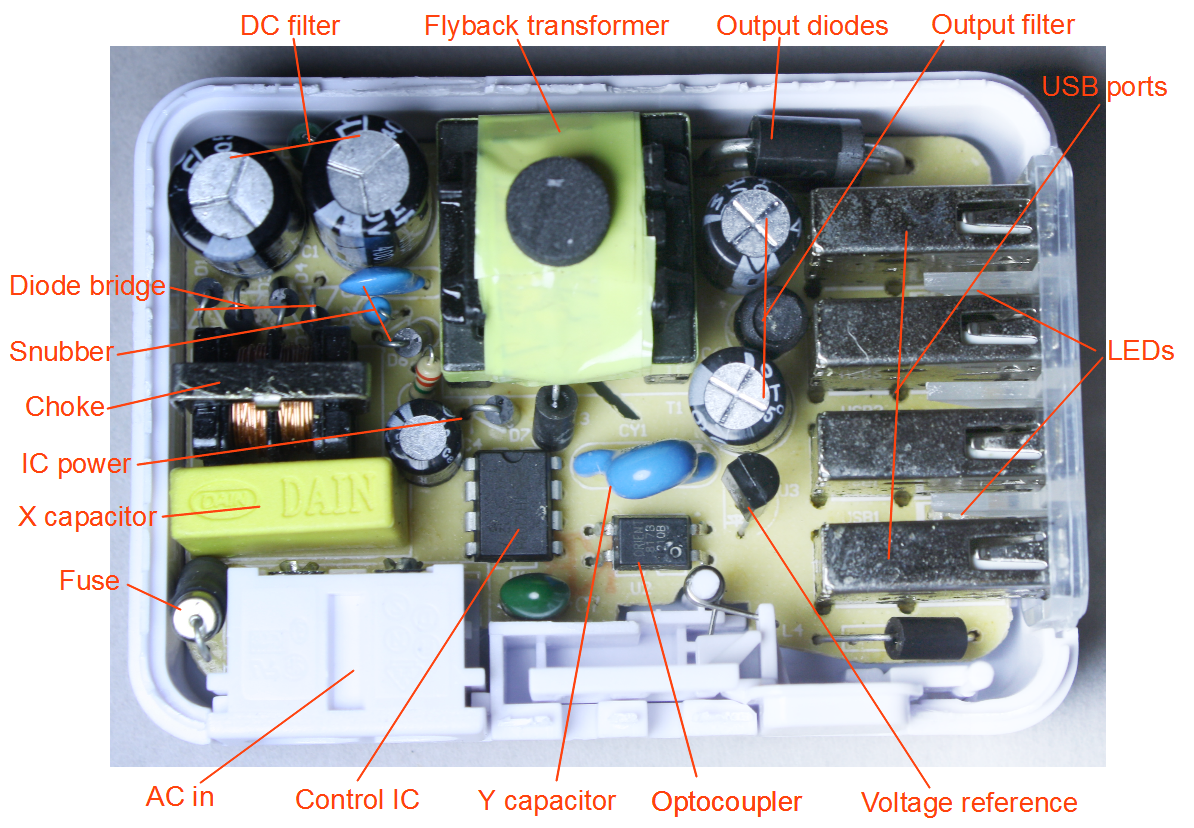
Understanding failure causes helps you prevent them.
Heat Is the Primary Killer
Every 10°C rise above component ratings cuts charger lifespan in half. High-wattage USB-C PD chargers generating 65W or 100W produce significant heat during fast charging, particularly when powering laptops or large power banks.
Repeated heating and cooling cycles cause solder joints to crack, capacitors to dry out, and PCB layers to delaminate. If your charger becomes too hot to touch after 30 minutes of use, it’s experiencing thermal stress that will shorten its life.
Mechanical Stress at Connection Points
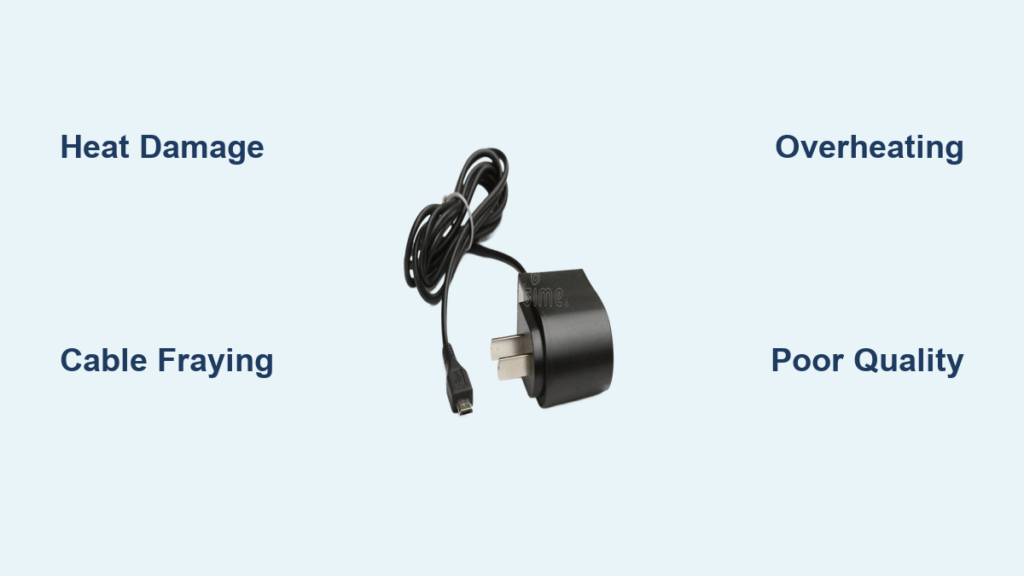
The majority of charger failures occur at physical connection points rather than inside the brick itself. Cable fraying near USB or Lightning connectors ranks as the number one replacement cause. Repeated bending weakens internal copper wires over time, starting as intermittent charging before progressing to complete failure.
Folding plug mechanisms common in travel chargers create another vulnerability point. The entire weight of the cable hangs on the hinge, leading to wobbling, loose connections, or complete breakage after extended use.
Signs Your Charger Is Failing
Watch for these warning indicators that replacement is needed.
Intermittent Charging Behavior
If your phone charges only when the cable is held at a specific angle, the cable is likely damaged internally. Try a different cable to confirm whether the original has failed.
Visible Cable Damage
Exposed wires, kinks, flat spots, or rubber splitting near connectors all indicate damage. Even minor fraying can cause short circuits or fire hazards. Replace damaged cables immediately rather than covering them with tape.
Excessive Heat During Use
A warm charger during fast charging is normal. A charger that’s too hot to touch indicates a problem. Poor ventilation, high ambient temperatures, or failing internal components could be responsible.
Burning Smell or Discoloration
Any burning plastic odor or visible discoloration on the charger housing signals overheating or component failure. Stop using the charger immediately as it poses a fire risk.
Loose or Wobbly Plug
If the plug doesn’t stay secure in the outlet, resistance increases and creates arcing. This damages both the charger and the wall outlet while creating intermittent power delivery.
Heat: The Biggest Enemy of Charger Electronics
Thermal management determines how long your charger survives.
Why Heat Destroys Components
Electrolytic capacitors, the weakest link in any power supply, typically last 20 to 30 years when operated within their temperature ratings. Expose them to excessive heat, and degradation accelerates dramatically. GaN chargers run cooler than traditional silicon chargers, but they still require proper airflow to prevent thermal cycling damage.
Proper Ventilation Matters
Never use chargers covered by fabric, placed in enclosed spaces, or positioned in hot environments. Leave at least 6 inches of clearance around chargers during operation. Avoid leaving chargers in parked cars during summer months.
High-Wattage Charging Risks
Charging laptops at 65W or 100W generates substantial heat. If you regularly use high-wattage charging, ensure your charger has adequate thermal headroom and consider models with active cooling features.
Cable vs Brick: What Fails First
The cable almost always fails before the charging brick.
Cable Wear Patterns
USB-A to Lightning and USB-C cables experience the most stress at connector joints where repeated bending occurs. Internal copper wires break gradually, often invisibly, until charging stops completely.
Brick Durability
The charging brick itself contains solid-state electronics that typically outlast cables by years. With proper thermal management, a quality brick can function for a decade or longer while you go through multiple cables.
Replacement Strategy
Budget for cable replacements more frequently than brick replacements. Invest in one quality brick and rotate cables as needed.
Popular Brand Durability Comparison
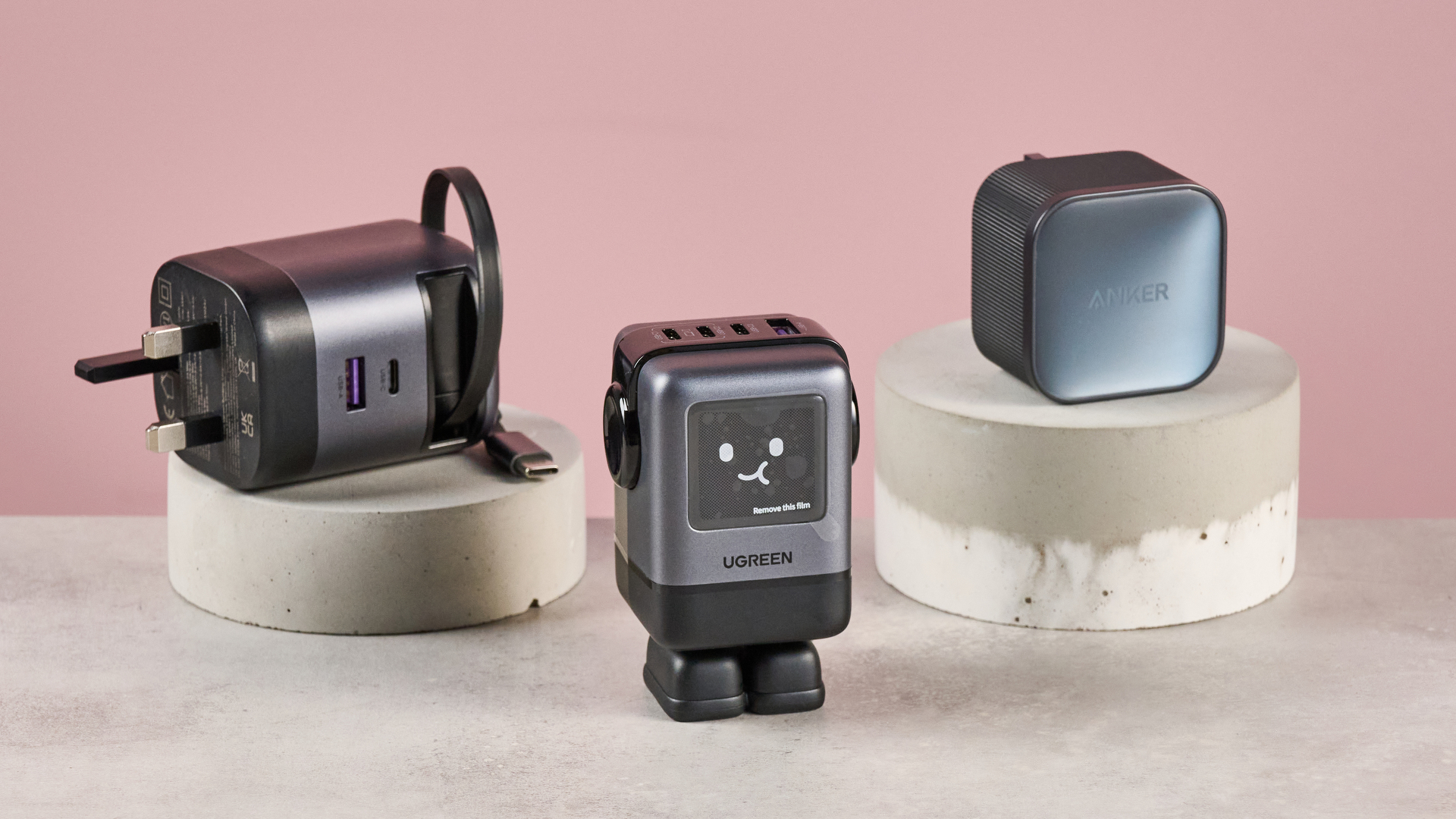
Real user experiences reveal significant brand differences.
Anker Reliability
Anker dominates user reports for durability, with many owners using 65W GaN chargers for 5 to 10 years without issues. The brand uses robust build quality and effective thermal management across its product line. Most models include 18-month warranties.
UGreen Mixed Results
UGreen offers great value but inconsistent longevity. Some users report 45W models failing after 9 months following minor drops. Others use 100W bricks for years without problem. Higher-wattage models may run cooler and last longer due to better thermal headroom.
Apple Durability
Apple chargers are well-built, but cables fail faster than bricks. Lightning cables are especially prone to fraying near connectors. USB-C cables prove more durable but still vulnerable at stress points.
Safety Certifications You Need to Check
Never skip verification of safety certifications.
Essential Certifications
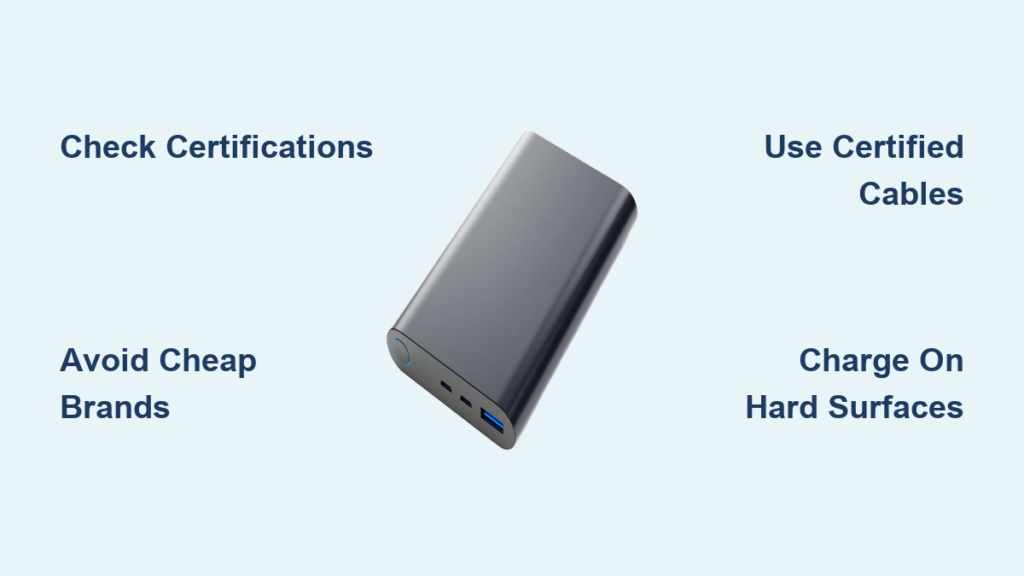
Look for UL certification for US markets, CE marking for Europe, FCC compliance for electromagnetic interference, and RoHS compliance for hazardous material restrictions. Certified chargers include overvoltage protection, short-circuit protection, temperature monitoring, and surge resistance.
Avoiding Dangerous Fakes
No-name chargers with fake logos or missing certification labels pose serious risks. These units can damage your phone’s battery or charging circuit and potentially start fires. Verify certifications using the UL database or certification verification apps.
How to Make Your Charger Last Longer
These eight practices significantly extend charger lifespan.
Unplug When Not in Use
Leaving chargers plugged in continuously causes continuous low-power draw, capacitor aging, and heat buildup. Unplug after your device reaches full charge.
Use Proper Cable Management
Wrap cables using the over-under method rather than tight coils. Avoid wrapping cables around devices or chargers as this creates kinks that weaken internal wires.
Keep Connectors Clean
Dust and pocket lint in USB ports increase resistance and generate heat. Use compressed air or a soft brush to clean connectors regularly. Never use metal objects.
Charge in Moderate Temperatures
Avoid using chargers in freezing conditions, direct sunlight, or hot vehicles. Extreme temperatures accelerate component degradation.
Use Surge Protection
Power spikes from storms or grid issues can destroy internal circuits. Plug your charger into a surge-protected power strip, especially in older buildings.
Rotate Multiple Chargers
Using several chargers in rotation reduces wear on any single unit. Keep one at home, one at work, and one for travel.
Protect Cable Joints
Apply silicone cable protectors or braided sleeves at stress points near connectors. These cost a few dollars and prevent the most common failure mode.
Handle Plugs Gently
Never pull the cable to unplug. Always grip the brick itself. Avoid hanging chargers by their cables from outlets.
When to Replace Your Phone Charger
Replace immediately if your charger shows any of these problems.
The charger provides no power output even when tested with a known-good cable. There is excessive heat or a burning smell during normal use. You notice discoloration, swelling, or smoke. You hear audible buzzing or crackling sounds. The cable shows frayed or exposed wires. Charging works only intermittently despite clean ports.
However, age alone doesn’t require replacement. A 10-year-old charger that still functions properly and passes these safety checks remains safe to use.
Key Takeaways for Charger Longevity
A phone charger can last anywhere from 6 months to over a decade depending on quality and care. Cheap generic chargers typically fail within a year, while premium brand chargers from Anker or Apple often exceed 5 years of reliable service. Cables fail far more frequently than charging bricks. Heat and physical stress represent the biggest lifespan killers. Most chargers fail completely rather than degrading gradually, meaning a working old charger is likely still safe. Proper care including unplugging when not in use, avoiding tight cable coiling, and protecting connector joints can dramatically extend charger life.
Invest in one high-quality certified charger rather than repeatedly buying cheap replacements. A single premium charger paired with occasional cable replacements will cost less over five years while providing safer, more reliable charging for all your devices.